







Old Wooden Blanket Box
An old wooden blanket box offers sturdy storage and centuries of craftsmanship, ranging from simple pine trunks to painted folk pieces.
Old Wooden Blanket Box
An old wooden blanket box serves as a robust storage chest, historically used for textiles and household goods. These pieces range from simple utilitarian trunks to decorative coffers suited for living spaces.
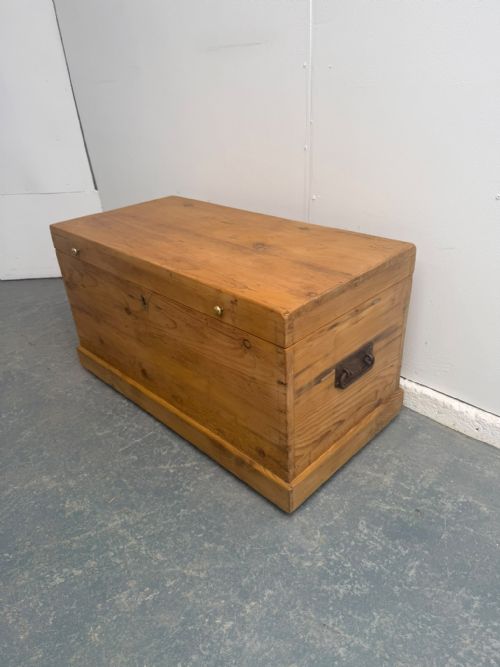
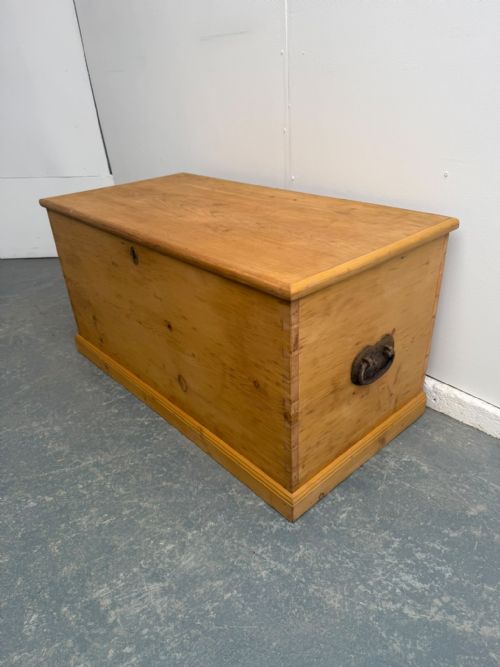
The versions most frequently met on this page are fashioned from pine, often originating from Victorian or Georgian periods. Buyers encounter standard lidded chests alongside mule chests fitted with lower drawers.
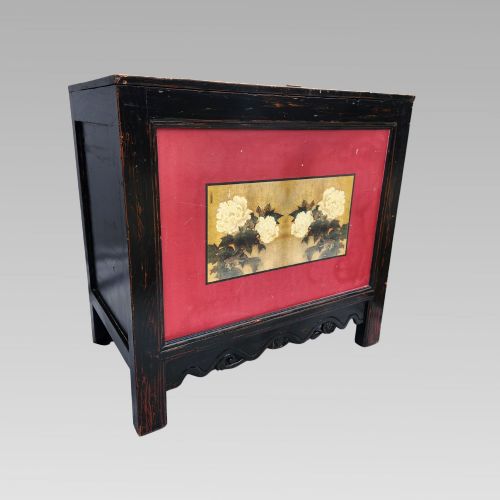
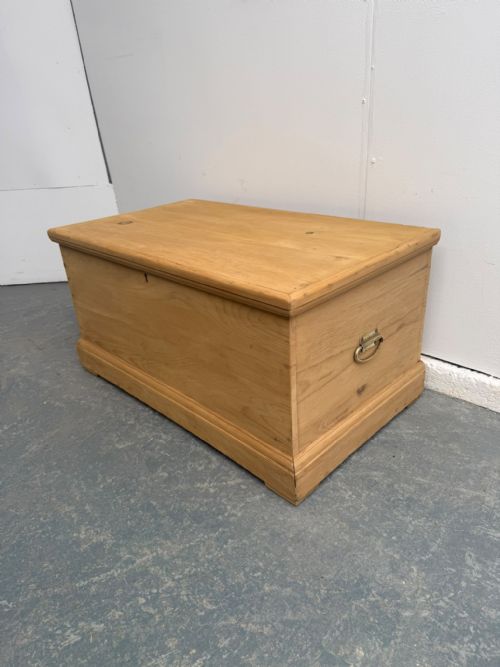
Beyond standard blanket boxes, the selection includes continental painted examples from Hungary alongside Chinese lacquer storage chests. Certain low variants also function as coffee tables within modern homes.
How they were made
Construction relies heavily on solid timber such as pine and oak, joined to withstand heavy daily use. Surfaces receive finishes of wax, traditional paint, or black lacquer.
Hardware details incorporate functional iron and brass hinges, locks, and handles. Pigments and decorative floral chinoiserie appear on specific regional and continental pieces.
Listings feature pine, oak, iron, and brass across periods spanning the Georgian era to the 1930s.
What varies in quality
The integrity of the timber and the retention of original surface treatments distinguish superior examples. Pieces retaining their early paintwork or deep wax patination hold greater visual depth.
Structural complexity sets certain boxes apart, particularly those incorporating integrated lower drawers or sturdy dovetail joinery. Finer specimens balance utilitarian strength with refined proportion.
The Old Wooden Blanket Box Glossary
- Mule chest
- A traditional storage chest featuring one or more drawers beneath the main lidded compartment. This form bridges the gap between a standard blanket box and a chest of drawers.
- Pine
- A softwood commonly utilised for domestic furniture due to its availability and workability. It takes wax and paint finishes readily, developing a warm patina over time.
- Lacquer
- A durable resin finish applied to wooden surfaces, frequently seen on Asian storage chests. It provides a smooth, glossy protective layer often adorned with painted decoration.
- Dome top
- A curved lid construction designed to shed water and increase internal storage capacity. This profile appears on older trunks and travel chests.
Old Wooden Blanket Box: Frequently Asked Questions
How were old wooden blanket boxes used?
These chests originally stored household textiles, woollens, and personal belongings away from dust and pests. Their sturdy lids also allowed them to double as impromptu seating or tables.
Today, they serve a similar practical function in bedrooms and living rooms while adding historical character to an interior scheme.
Can I use an old blanket box as a coffee table?
Low and wide variants of these chests adapt well to coffee table use in contemporary reception rooms. Their flat tops provide a stable surface for books and daily items.
Buyers should check the height and proportion of the specific chest to ensure it matches surrounding seating.
How do I tell Victorian boxes from Georgian ones?
Georgian boxes often display earlier cabinetmaking traits and may include lower drawer configurations such as mule chests. Victorian examples frequently utilise waxed pine and simpler rectangular proportions.
Examining the construction joints and surface wear helps clarify the period of manufacture.
What is the difference between a pine box and an oak chest?
Pine provides a lighter, softer timber base that was widely used for painted or waxed domestic storage. Oak offers a denser, heavier hardwood associated with earlier centuries of sturdy joinery.
Both materials weather differently, with oak developing a dark grain and pine taking on a soft honeyed tone.