





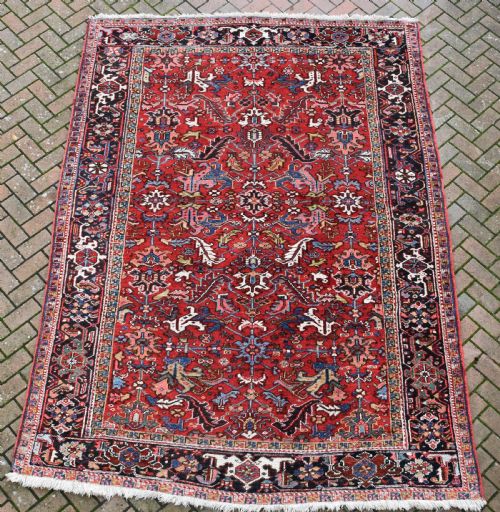
Old Tribal Carpet
An old tribal carpet brings the history of nomadic and village weaving straight to your floor, offering rich geometric designs and deep cultural character.
Old Tribal Carpet
When you search for an old tribal carpet, you encounter hand-knotted rugs and flatweaves originating from village and nomadic communities across Persia, Anatolia, the Caucasus, and Afghanistan. These pieces date principally from the early twentieth century and the nineteenth century, reflecting regional traditions passed down through generations.
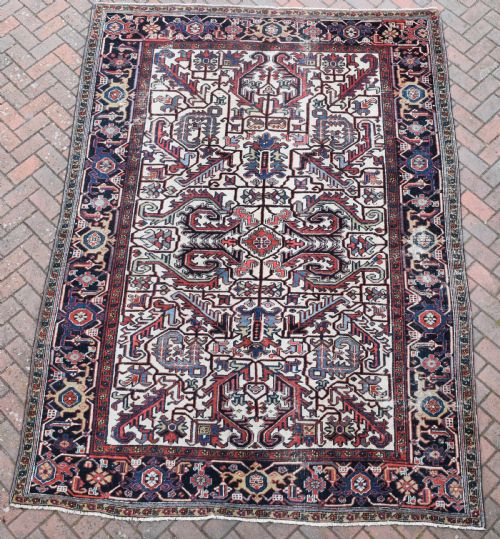
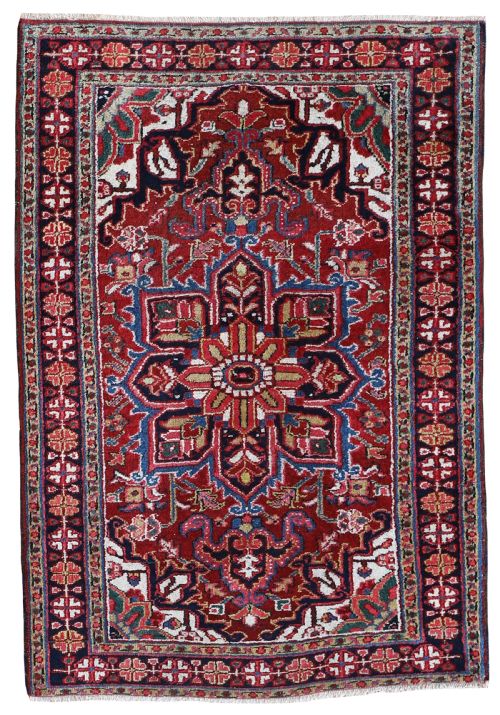
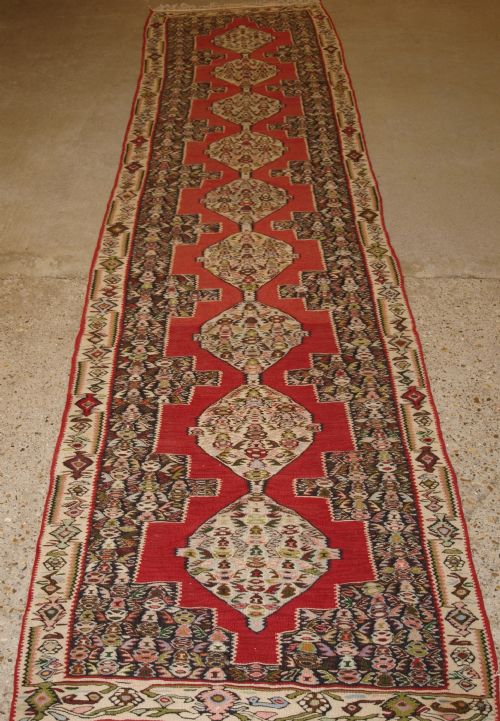
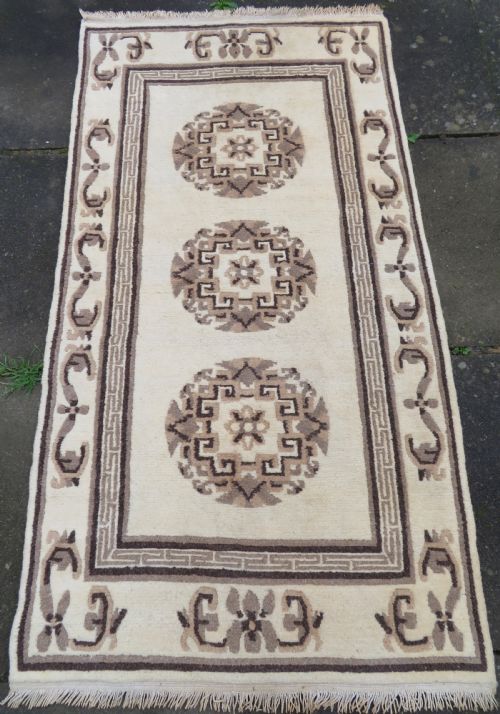
The selection on this page centres on village and tribal rugs, runner rugs, and carpets displaying distinct regional motifs such as star medallions, repeat lattice patterns, and boteh designs. Formats range from small prayer rugs to larger area rugs and narrow kilim runners.
Geographic attribution covers specific weaving centres and groups including Yomut Turkmen, Baluch, Qashqai, Heriz, Senneh, and Ersari. Each piece demonstrates the distinct palette and structural traits characteristic of its specific tribal or village origin.
Materials and construction methods
Weavers constructed these textiles primarily using hand-spun wool and cotton foundations, employing traditional hand-knotting and flatweaving techniques. The wool itself often exhibits a soft, glossy quality derived from regional sheep breeds.
Natural dyes provide the enduring colour palettes seen across these rugs, yielding deep reds, soft golds, and ivory grounds that age with a harmonious patina. Colour variations arise naturally from dye batch preparation and regional plant sources.
Old Tribal Carpet Retail Price Guide 2026
Typical asking prices for old tribal carpet among the pieces listed under this phrase on Sellingantiques today, from the lower quarter to the upper quarter. They describe what is for sale here now, not the wider market.
Current listings feature pieces utilising natural dyes and hand-spun wool, originating from 19th-century and early 20th-century weaving traditions.
Assessing quality in nomadic and village weaving
Quality in an old tribal carpet depends on the integrity of the weave, the handling of the wool, and the clarity of the design. Tighter knotting and robust foundation materials generally indicate a more durable and finely executed textile.
The depth and nuance of the natural dyes significantly influence visual appeal, with complex abrasash and rich chromatic variation elevating the character of the piece. Preserved pile height and structural soundness also distinguish superior examples from heavily worn specimens.
The Old Tribal Carpet Glossary
- Kilim
- A flatwoven carpet or rug produced without a pile, traditionally used for floor coverings or wall hangings. These textiles rely on the interlocking of warp and weft threads to form sharp geometric patterns.
- Boteh
- A traditional almond-shaped or paisley motif representing a floral spray, cypress tree, or flame. This symbol appears frequently in Persian and Caucasian village weaving.
- Prayer rug
- A small rug featuring a mihrab or arch design at one end, traditionally orientated towards Mecca during daily prayers. These formats often display focused symbolic imagery.
- Medallion
- A central ornamental design motif placed in the middle of the rug field. Star and linked medallion patterns structure the visual symmetry of many village carpets.
- Warp
- The vertical threads stretched tightly on the loom before weaving begins. The fringe of the rug is typically formed from the extended ends of these foundation threads.
Old Tribal Carpet: Frequently Asked Questions
How do I identify a tribal rug?
Tribal rugs typically feature geometric patterns, stylized animal or floral motifs, and asymmetrical designs woven by nomadic or village communities rather than urban workshops.
Look for expressive, slightly irregular layouts and a reliance on traditional symbolic imagery passed down within specific tribal groups.
Where were these carpets made?
These textiles originate from various weaving regions including Anatolia, Persia, the Caucasus, and Afghanistan. Each area developed distinct palettes and structural characteristics.
Specific groups such as the Baluch, Qashqai, and Turkmen each utilised characteristic motifs and knotting techniques tied to their heritage.
How should I clean my rug?
Gentle, regular vacuuming without a rotating brush helps remove surface dust and protects the wool pile from abrasive grit. Professional specialist cleaning is recommended for deeper maintenance.
Avoid harsh chemical treatments or excessive water immersion, which can damage natural dyes and weaken hand-spun wool.
What is a kilim runner?
A kilim runner is a long, narrow flatwoven carpet produced without pile, suited for hallways, corridors, or staircases. These pieces combine geometric bands and flat structures.
Their lack of pile makes them exceptionally flat underfoot, while their narrow proportions accommodate confined architectural spaces.