



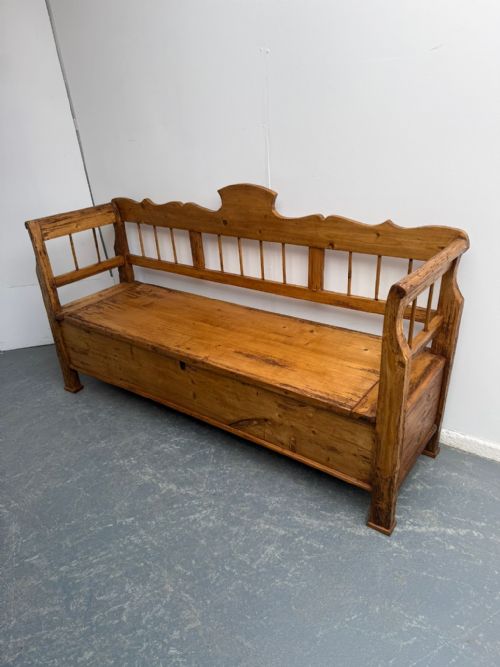


Old Storage Box
An old storage box offers sturdy utility and timeless character, ranging from rustic pine blanket chests to painted continental settles.
Old Storage Box
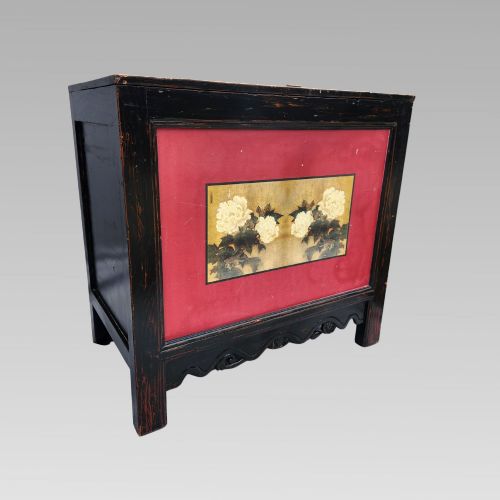
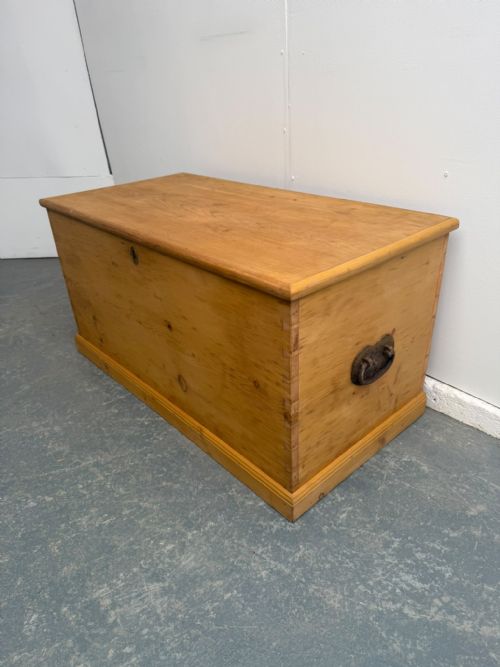
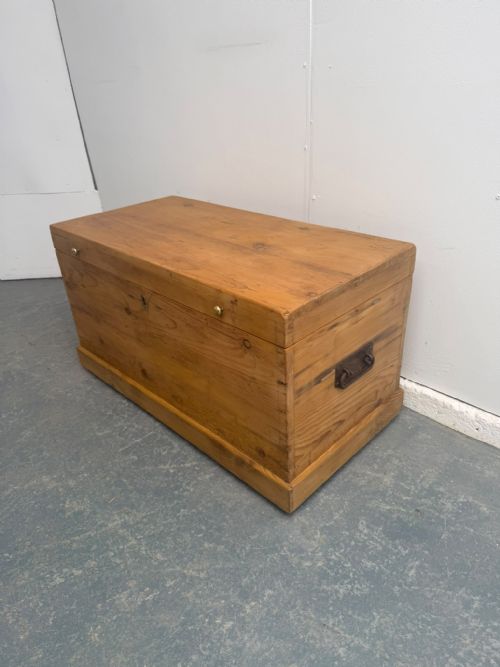
An old storage box serves practical household needs while bringing substantial period presence to a room, functioning as a blanket chest, trunk, or coffer. Buyers seeking this search phrase encounter numerous pine examples alongside painted Hungarian boxes and occasional oak or lacquered pieces.
The selection on this page spans several distinct eras, with Victorian and Georgian pieces predominating. Many double as benches or settles with integrated storage, uniting seating with a deep compartment.
Forms vary from simple lidded boxes to elaborate mule chests fitted with drawers beneath the main compartment. Some pieces show specialised adaptations, serving as coffee tables, media units, or hall benches.
Materials and construction
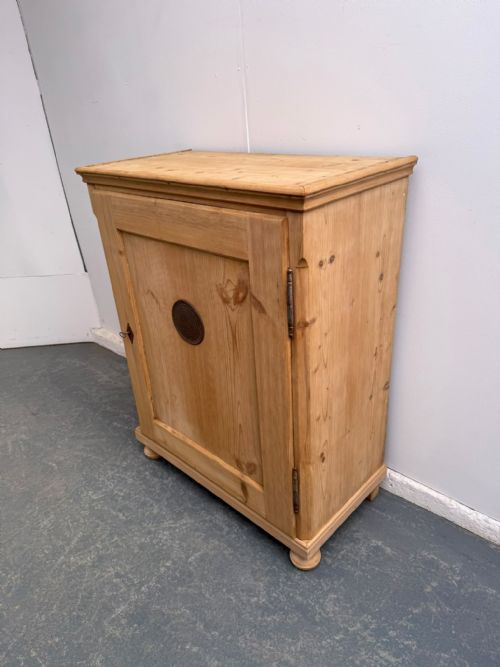
Pine forms the structural core of the vast majority of these pieces, supplemented by oak, iron, and brass fittings. Surfaces receive either traditional wax finishes that emphasise the natural grain or original paintwork in grey or other hues.
Joinery techniques reflect vernacular traditions, employing pegged joints, dovetails, and simple board construction built for daily durability. Metal elements such as hinges, latches, and plates provide both structural reinforcement and decorative contrast against the wood.
Old Storage Box Retail Price Guide 2026
Typical asking prices for old storage box among the pieces listed under this phrase on Sellingantiques today, from the lower quarter to the upper quarter. They describe what is for sale here now, not the wider market.
The listings here feature traditional pine predominantly, alongside oak, brass, iron, and black lacquer surfaces.
Judging quality and character
Quality rests in the integrity of the timber, the retention of original surface treatments, and the strength of the construction. Superior examples preserve their early paint finishes or deep wax patination without excessive modern intervention.
Proportion and utility elevate certain items, particularly multi-functional box settles and mule chests featuring working drawers. Well-executed hardware and sound structural joints separate everyday utility boxes from finer domestic furnishings.
The Old Storage Box Glossary
- Mule chest
- A storage chest featuring one or more drawers beneath the primary lidded compartment. This form bridges the gap between a traditional blanket chest and a chest of drawers.
- Box settle
- A high-backed wooden bench with a hinged seat that lifts to reveal storage space underneath. These items were traditionally placed near hearths to block draughts.
- Coffer
- A heavy, secure chest traditionally used for storing valuables or documents. They typically feature robust timber construction and heavy iron or brass fastenings.
- Chinoiserie
- European decorative style inspired by Chinese artistic traditions, featuring lacquer and painted motifs. This technique appears on specific imported storage chests.
- Blanket box
- A deep chest designed specifically for storing household textiles and bedding. They sit low to the ground and often feature simple hinged lids.
Old Storage Box: Frequently Asked Questions
How were old storage boxes used historically?
These boxes served as secure storage for valuable textiles, clothing, and household provisions in homes with limited built-in wardrobes. Many doubled as seating or tables when space was at a premium.
Box settles were positioned near firesides to provide sheltered seating while keeping blankets close at hand. Mule chests held garments in the upper compartment while smaller linens or accessories went into the lower drawers.
Where should I place an old storage box at home?
A large blanket chest or trunk suits the foot of a bed or a hallway for stowing bulky items out of sight. Box settles and lidded benches function well in hallways, kitchens, or boot rooms as practical seating.
Low examples can serve as coffee tables in living spaces while offering concealed storage for magazines or throws. Their sturdy construction allows them to endure daily use in high-traffic areas.
How do I care for a waxed pine box?
Maintain the finish by applying a quality beeswax periodically to nourish the dry timber and protect the surface from moisture. Avoid placing wooden chests in direct sunlight or near heat sources that could cause the boards to split.
Dust regularly with a soft cloth and wipe up spills immediately to preserve the historic patination. Gentle care ensures the wax finish retains its soft sheen over decades of use.
How can I tell a Georgian storage box from a Victorian one?
Georgian pieces often display finer dovetailing, richer timber patination, and functional drawer configurations such as those found on mule chests. They reflect eighteenth-century cabinet-making standards even in vernacular furniture. Ninteenth-century Victorian boxes frequently utilise simpler board construction, pine as a primary wood, and varying surface treatments from dark wax to painted finishes.