




Old Pine Coffer
These old pine coffer examples are sturdy storage pieces built from durable timber, offering practical history for daily use.
Old Pine Coffer
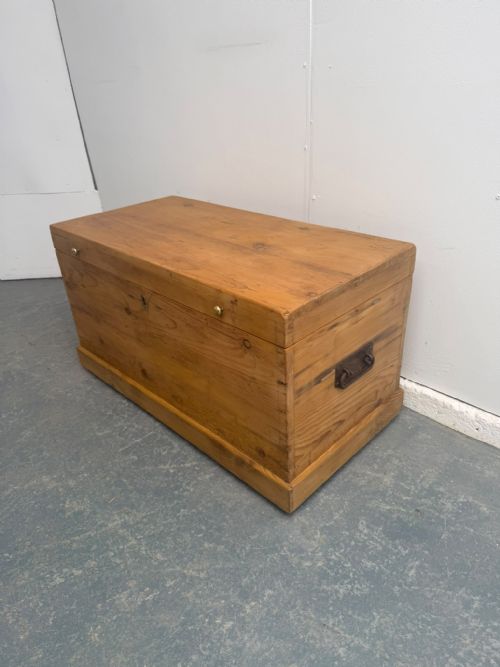
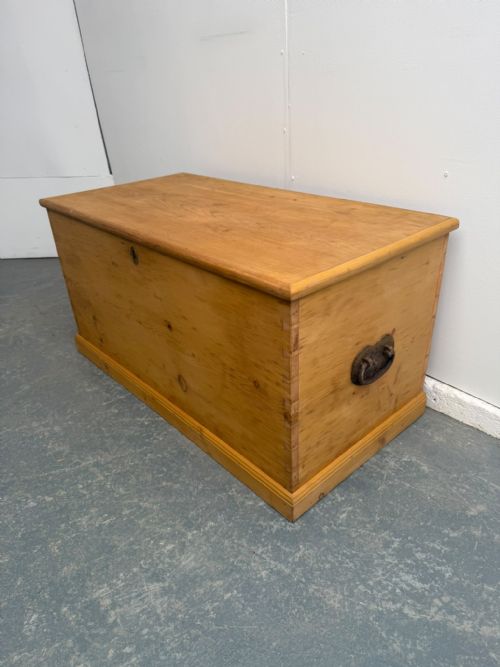
An old pine coffer typically presents as a sturdy box, blanket box, or trunk designed for domestic storage. Many examples on this page hail from the Victorian and Georgian periods, alongside pieces originating from Hungarian traditions.
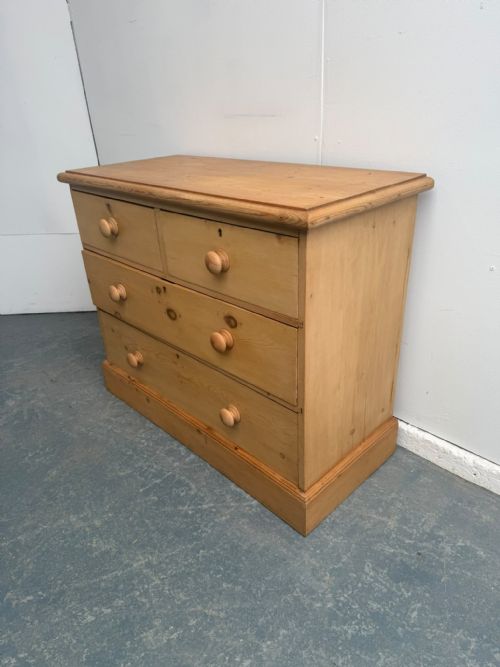
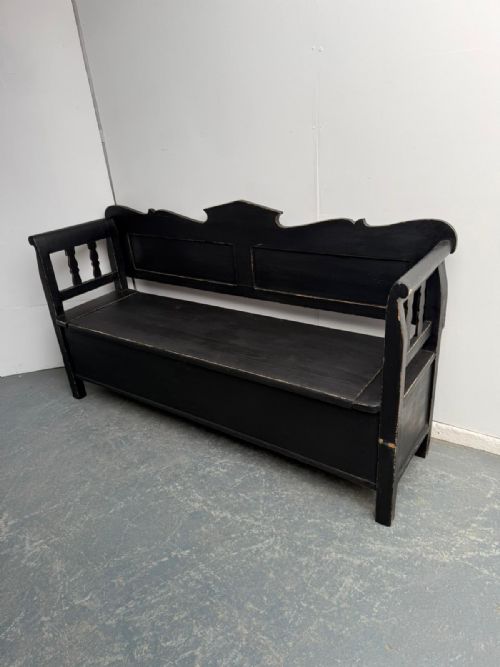
Buyers frequently encounter variations that include fitted drawers beneath the main compartment or low proportions adapted for modern use. The selection ranges from plain waxed surfaces to painted finishes influenced by folk art and continental styles.
Form follows function across these items, with heavy lids, iron or brass hardware, and practical proportions designed to hold textiles or household goods. Regional characteristics from European country traditions often distinguish one piece from another.
Materials and construction methods
Makers utilised solid pine timber for the primary structure, relying on durable local woods that responded well to simple hand tools. Iron and brass hardware such as hinges, latches, and carrying handles provided essential structural reinforcement.
Surfaces were frequently finished with natural wax to protect the timber, while other pieces received layers of paint in single colours or folk art schemes. Joinery typically involved straightforward panel construction suited to utilitarian furniture.
Old Pine Coffer Retail Price Guide 2026
Typical asking prices for old pine coffer among the pieces listed under this phrase on Sellingantiques today, from the lower quarter to the upper quarter. They describe what is for sale here now, not the wider market.
Listings span several eras including the Georgian and Victorian periods, alongside items dated around nineteen-ten and nineteen-hundred.
Assessing quality in construction and finish
Quality rests in the integrity of the timber, the thickness of the pine boards, and the retention of original hardware like iron strap hinges. Pieces retaining their initial painted surface or deep waxed patina show greater historical continuity.
Construction details such as dovetailed drawer joints in mule chests or fitted internal compartments elevate a piece above standard utilitarian boxes. Proportions also matter, with low, wide forms or clean lines commanding specific interest.
The Old Pine Coffer Glossary
- Cofer
- A large wooden chest or box used historically for storing valuables, linens, or clothing. These vessels often feature heavy lids and robust iron reinforcement.
- Mule chest
- A traditional storage chest featuring one or more drawers built into the base beneath the main compartment. This form bridges the gap between a standard blanket box and a chest of drawers.
- Waxed finish
- A protective treatment applied to pine timber using natural wax to nourish the wood and create a soft sheen. This method highlights the grain and natural markings of the pine.
- Folk art
- Decorative painting or carving executed within a regional or vernacular tradition rather than by academic standards. Pieces bearing this style display local motifs and distinctive colour palettes.
- Dome top
- A rounded lid construction on a trunk or chest designed to shed water and provide extra internal headroom. This profile appears frequently on travel trunks and older storage boxes.
Old Pine Coffer: Frequently Asked Questions
What were old pine coffers used for?
These boxes served primarily as secure storage for blankets, textiles, and personal valuables in domestic settings. Their sturdy construction allowed them to double as seating benches in everyday rooms.
Over time, households utilised them for general storage in hallways and bedrooms where large furniture pieces proved impractical.
How do I care for an old pine coffer?
Maintain waxed surfaces by applying a traditional beeswax polish occasionally to nourish the timber and prevent drying. Avoid placing the chest near direct heat sources or in damp environments.
Keep painted surfaces clean using a soft, dry cloth without harsh chemical cleaners that might lift the historical pigment.
How can I tell a Georgian coffer from a Victorian one?
Georgian examples often display earlier joinery techniques and proportions associated with 18th-century country workshops, sometimes incorporating drawer configurations like mule chests. Victorian pieces frequently exhibit heavier wax finishes or specific regional traits such as Hungarian origins.
Hardware styles and the specific cut of the pine boards also offer clues to the approximate decade of manufacture.
Can an old pine coffer work as a coffee table?
Low and wide versions adapt well to modern living spaces as alternative coffee tables with built-in storage capacity. Their flat lids provide a stable surface for everyday items while concealing clutter inside.
Buyers often select these specific proportions to combine historical character with functional room layouts.