





Old Pine Bench
An old pine bench offers honest utility and plain timber warmth, bringing sturdy character and practical seating to country kitchens and hallways alike.
Old Pine Bench
The selection on this page draws primarily from the Victorian and Georgian periods, alongside pieces dated to nineteen-ten and the Arts and Crafts movement. European and Hungarian country traditions heavily influence the rustic farmhouse aesthetic of these items.
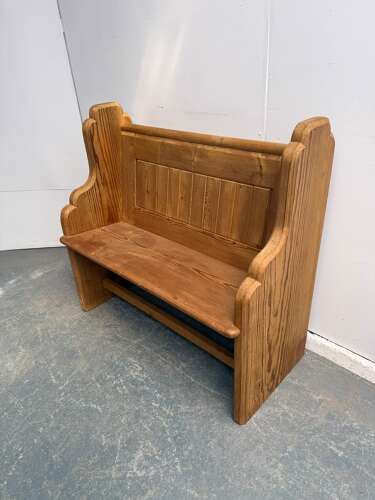
Many examples arrive with original painted surfaces in grey or black, whilst others display a waxed finish that highlights the natural grain of the timber. Seating capacity typically spans from one to four seats, accommodating various domestic spaces.
Materials and construction
Construction relies upon solid pine timber, selected for its workability and availability in country workshops. Joinery techniques prioritize structural endurance to withstand daily domestic or institutional use.
Surface treatments vary between simple wax finishes and applied layers of paint, notably in grey or black colourways. Additional components incorporate iron, ceramic, and metal fixings alongside leatherette upholstery for specific seat pads.
Old Pine Bench Retail Price Guide 2026
Typical asking prices for old pine bench among the pieces listed under this phrase on Sellingantiques today, from the lower quarter to the upper quarter. They describe what is for sale here now, not the wider market.
Listings feature pine benches spanning the Georgian and Victorian periods, alongside early twentieth-century Arts and Crafts examples.
Distinctions in quality
Quality differentiates itself through the preservation of original surfaces, whether a waxed patina or early paint layers in grey and black. Pieces retaining untouched regional characteristics command closer attention from collectors seeking authenticity.
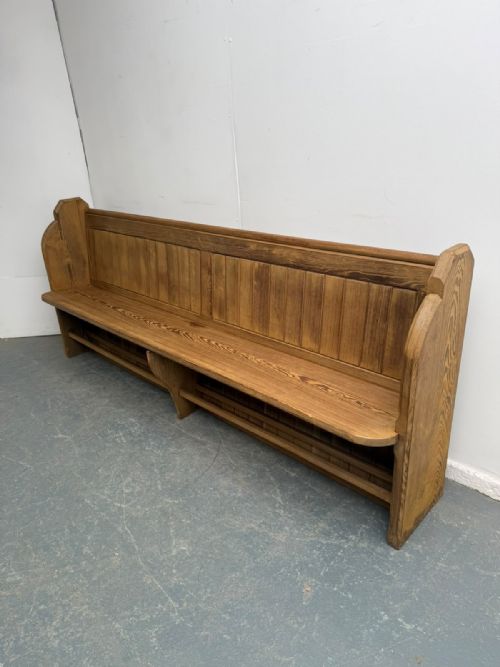
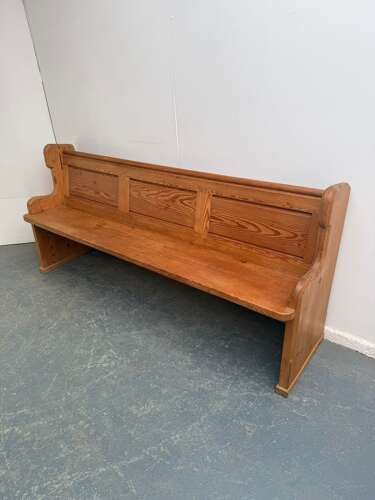
Construction complexity also marks the upper tier, particularly in box settles featuring integrated storage compartments and high panelled backs. The proportion and seating capacity, ranging from compact single-seaters to expansive four-seater pews, reflect the ambition of the original maker.
The Old Pine Bench Glossary
- Box settle
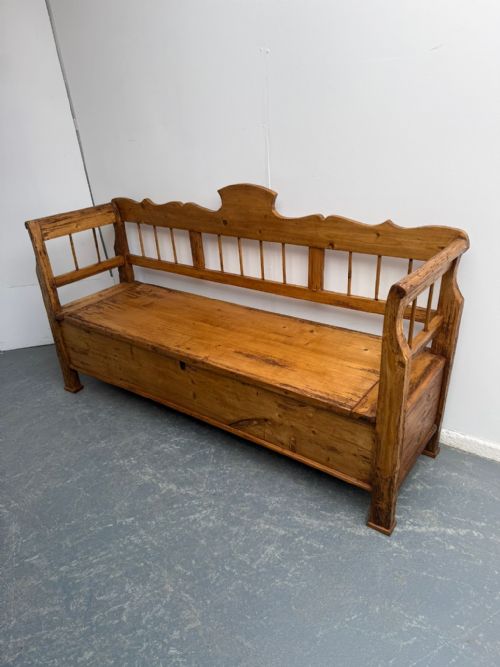
- A wooden bench featuring high backs, solid armrests, and an enclosed storage box beneath the seat. This form protected occupants from drafts in older stone and timber dwellings.
- Church pew
- A long wooden bench traditionally utilised for communal seating in religious interiors. Victorian examples often incorporate numbered ends or simple book ledges.
- Waxed finish
- A protective coating applied to timber to nourish the grain and impart a soft sheen. This traditional method allows the natural character of the pine to remain visible.
- Arts and Crafts
- A design movement valuing handcraftsmanship and simple vernacular forms over mass production. Pieces from this era often display honest construction methods and unpretentious materials.
Old Pine Bench: Frequently Asked Questions
What is an old pine bench?
An old pine bench is a utilitarian wooden seating piece originating from domestic, rural, or institutional settings during the Georgian and Victorian eras.
These items range from simple open benches to enclosed box settles and church pews, constructed primarily from solid pine.
How were box settles used?
Box settles served a dual purpose in traditional homes as both seating and enclosed storage for blankets or household goods.
The high backs and solid sides were specifically designed to shield inhabitants from cold draughts in uninsulated rooms.
Are these benches painted or waxed?
Examples feature either traditional waxed surfaces that reveal the natural timber grain or original paint applications in colours such as grey and black.
Many Hungarian and Victorian pieces retain their historic painted finishes, which contribute significantly to their regional character.
How do I care for waxed pine furniture?
Waxed pine benefits from occasional applications of natural beeswax to nourish the wood and maintain its protective barrier against moisture.
Avoid placing these pieces near direct heat sources or in damp environments to prevent the timber from warping.