





Old Persian Rug
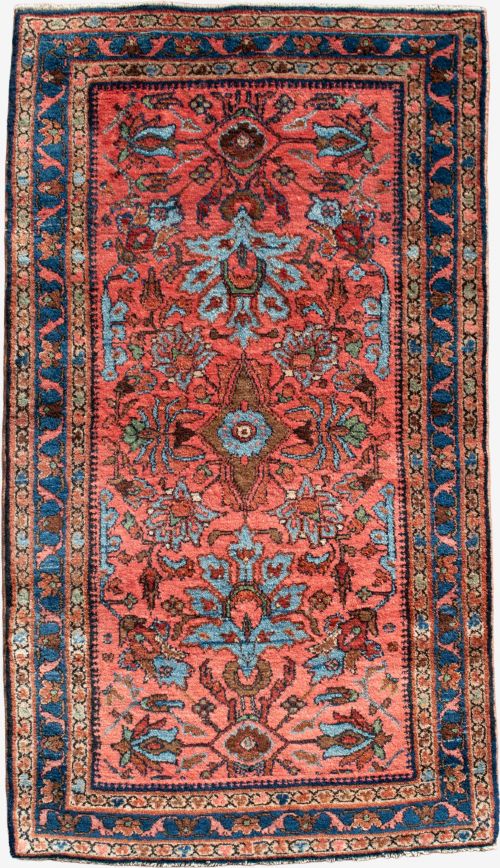
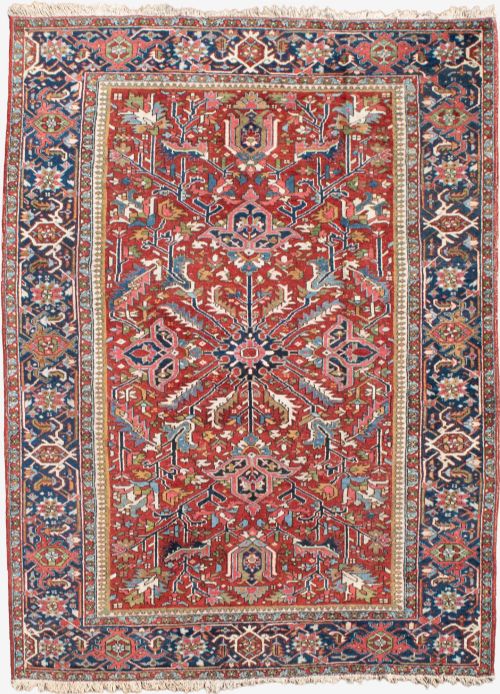
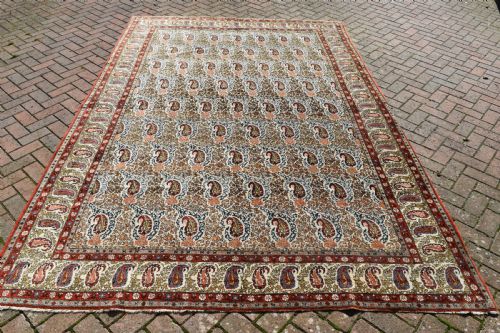
An old persian rug brings the rich texture of wool and natural dyes into a room, offering deep regional designs from the nineteenth and early twentieth centuries.
Old Persian Rug
When someone searches for an old persian rug, they encounter floor coverings created across various Persian regions, villages, and tribal areas during the nineteenth and early twentieth centuries. These pieces encompass large roomsize carpets from centres like Heriz, Tabriz, and Sarouk, alongside smaller tribal and village pieces from Baluch, Qashqai, and Senneh weavers.
The pieces on this page mostly date from the 1920s and 1930s, reflecting traditional medallion layouts, all-over floral patterns, and geometric tribal motifs. Buyers find formats ranging from compact prayer rugs and narrow kilim runners to substantial carpets suited for principal living spaces.
How they were made
Weavers relied principally on wool foundations and piles, occasionally incorporating cotton for structural stability and silk highlights for detail in finer urban workshops. Natural dyes provided the palette, yielding rich tones across red, blue, and ivory grounds.
Many examples are hand-woven with hand-spun wool, reflecting traditional village and tribal techniques handed down through generations. Flatwoven kilims and knotted pile rugs utilised distinct structural methods appropriate to whether the piece originated in a nomadic camp or a fixed workshop.
Old Persian Rug Retail Price Guide 2026
Typical asking prices for old persian rug among the pieces listed under this phrase on Sellingantiques today, from the lower quarter to the upper quarter. They describe what is for sale here now, not the wider market.
Materials recorded across the inventory include standard wool, hand-spun wool, cotton foundations, natural dyes, and select silk highlights.
What varies in quality
Quality in these textiles rests upon the precision of the weave, the handling of natural dyes, and the integrity of the wool. Finer urban pieces from workshops in Qum, Isfahan, or Tabriz demonstrate tightly packed knots and intricate floral curves.
Village and tribal pieces achieve distinction through bold graphic rhythm, harmonious colour saturation, and the use of hand-spun materials that age with character. The balance between structural soundness and artistic expression dictates the standing of an individual piece.
The Old Persian Rug Glossary
- Medallion
- A central ornamental motif dominating the field of the rug. It serves as the focal point for traditional designs found in many urban carpets.
- Prayer rug
- A small format rug featuring a mihrab or arch design, traditionally used for individual prayer. These pieces often originate from village or tribal workshops.
- Kilim
- A flatwoven textile produced without a pile. They are lighter in weight and frequently utilised as runners or smaller decorative floor coverings.
- Boteh
- A stylised almond or paisley motif representing a floral sprout or cypress tree. It appears frequently in tribal and village weaving traditions.
- Ground
- The main background colour of the field behind the central design elements. Common examples in these listings include red, blue, and ivory tones.
Old Persian Rug: Frequently Asked Questions
How do I place an old persian rug?
These rugs anchor furniture groupings in living rooms, add warmth to bedrooms, or line hallways as runners. Their varied dimensions suit both central room placement and transitional spaces.
Selecting the right scale depends on the proportions of the room and whether the furniture sits entirely upon the rug or frames its borders.
What is the difference between village and city rugs?
City carpets from centres like Tabriz or Isfahan typically feature precise floral medallion designs woven with refined materials and cotton foundations. Village and tribal pieces from groups like the Baluch or Qashqai display geometric motifs, coarser weaves, and earthy wools.
Urban workshops followed fixed cartoons for complex patterns, whereas village weavers relied on memory and tribal tradition.
How do I identify a prayer rug?
A prayer rug is distinguished by a clearly defined architectural arch or mihrab shape at one end of the field. This design points the user toward Mecca during daily prayers.
These pieces are generally smaller in scale, making them portable items historically used by nomadic or village weavers.
Are these rugs made with natural dyes?
Many pieces from this era utilise natural dyes extracted from plants, roots, and insects. These colourants yield rich, varied hues that develop a soft patina over time.
Natural dye variations give individual rugs depth and subtle shifts in shade across the wool pile.