



Old Cut Diamond Starburst
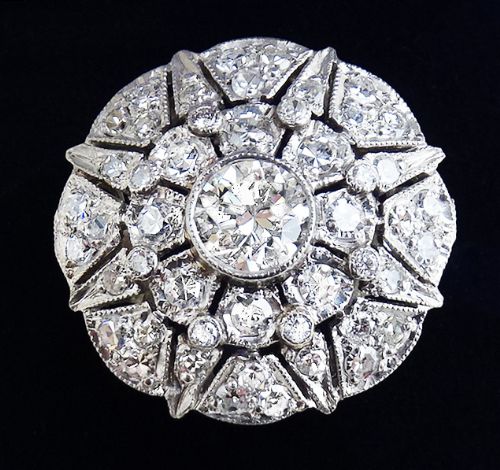
An old cut diamond starburst catches candle-light like little else, bringing celestial charm and hand-cut fire to rings, brooches, and pendants.
Old Cut Diamond Starburst
An old cut diamond starburst combines the unique scintillation of antique stones with celestial motifs across various Victorian, Edwardian, and Art Deco items. These jewels frequently appear as brooches, convertible brooch pendants, and cluster rings.
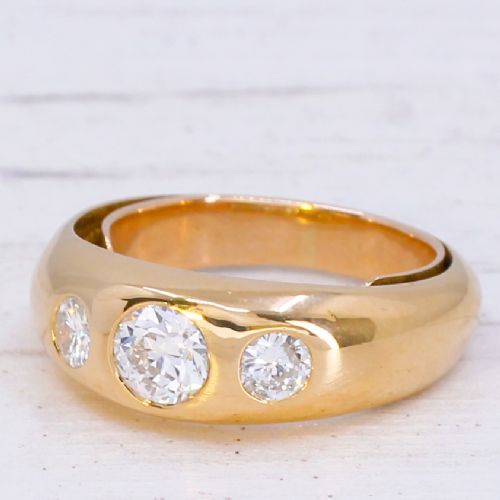
The buyer meets pieces spanning from the nineteenth century through the nineteen-fifties, with Victorian and Edwardian examples forming the core of the selection. Forms range from multi-stone starburst brooches and swirling pendants to gypsy rings and buckle bands.
Makers and goldsmiths utilised yellow gold, nine carat gold, eighteen carat gold, silver, and platinum to set these stones. Many Victorian star brooches pair silver settings on gold backs, a traditional method that kept white metals bright while retaining the strength of gold.
Materials and construction methods
Jewellers shaped these pieces using yellow gold, eighteen carat yellow gold, nine carat gold, silver, and platinum. Silver settings were frequently combined with gold backs during the Victorian era to showcase the diamonds against a bright white metal.
Stones are hand-cut in old European and old mine styles, featuring smaller tables, higher crowns, and open culets that produce distinctive broad flashes of light. These diamonds are secured in collet settings or grain settings radiating outwards from a central point to form the starburst pattern.
Old Cut Diamond Starburst Retail Price Guide 2026
Typical asking prices for old cut diamond starburst among the pieces listed under this phrase on Sellingantiques today, from the lower quarter to the upper quarter. They describe what is for sale here now, not the wider market.
Assessing quality in antique star jewellery
Quality rests in the symmetry of the starburst layout and the proportion of the central stone relative to the surrounding rays. Superior pieces display precise hand-piercing and clean integration between the silver collets and the gold structure.
The character of the old cut diamonds defines the upper tier of the range, where individual facets show careful hand-polishing rather than uniform modern machine precision. Original integrity, such as retention of convertible brooch fittings and undamaged enamel or backings, separates finer examples from altered items.
The Old Cut Diamond Starburst Glossary
- Old Cut
- A term for diamonds cut by hand before modern mechanical precision standards, known for smaller tables and softer, warmer fire.
- Starburst
- A design motif radiating outwards from a central point to mimic the appearance of a sparkling star.
- Collet
- A band or collar of metal that holds a gemstone securely in place within the mounting.
- Gypsy Ring
- A ring style where stones are flush-set directly into a thick, tapered metal band.
- Puff Heart
- A hollow, inflated heart-shaped jewellery form popular during the Edwardian period.
Old Cut Diamond Starburst: Frequently Asked Questions
How do I care for antique silver and gold settings?
Caring for these pieces requires gentle cleaning with a soft cloth and warm soapy water, avoiding harsh chemical dips that can damage silver and gold. Store each item separately in a lined box to protect the old cut stones and delicate metalwork from scratching.
Many Victorian pieces combine silver tops with gold backs, so keeping them dry prevents tarnished silver from reacting with the underlying gold.
Can antique star brooches be worn as pendants?
Many antique star brooches feature built-in loops or hinged Bails that allow them to double as pendants on a chain. This convertible design was common in the nineteenth century, giving owners versatility in how they displayed their jewellery.
Checking the reverse of a brooch reveals whether a folding loop or screw-in fitting was included for pendant conversion.
How can I tell the difference between Victorian and Edwardian pieces?
Victorian starburst jewellery often utilises silver set over gold with substantial hand-carved detailing and occasionally accented by pearls or enamel. Edwardian examples frequently shift towards lighter platinum settings and delicate openwork filigree.
Examining the metal colour, weight, and overall design motifs helps distinguish the heavy warmth of the nineteenth century from the lighter, airy feel of the early twentieth century.