
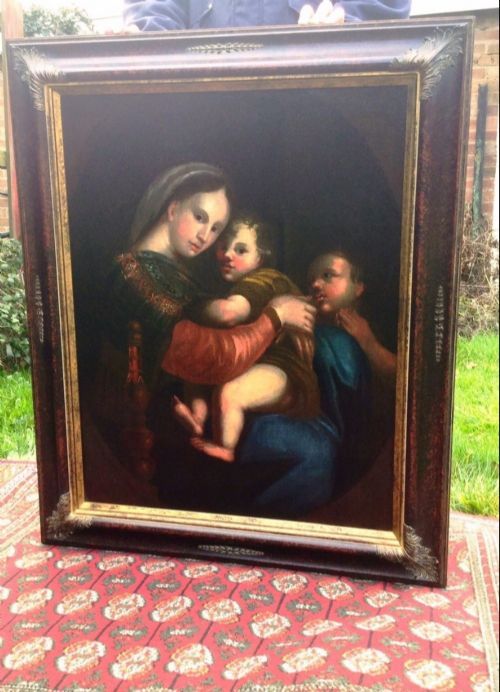
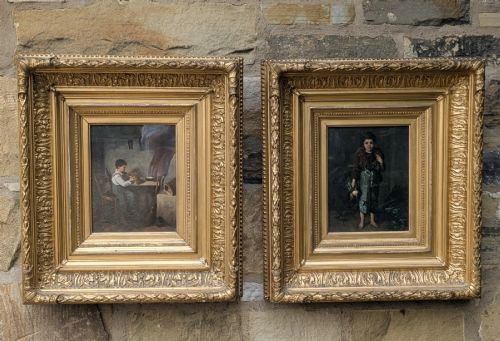
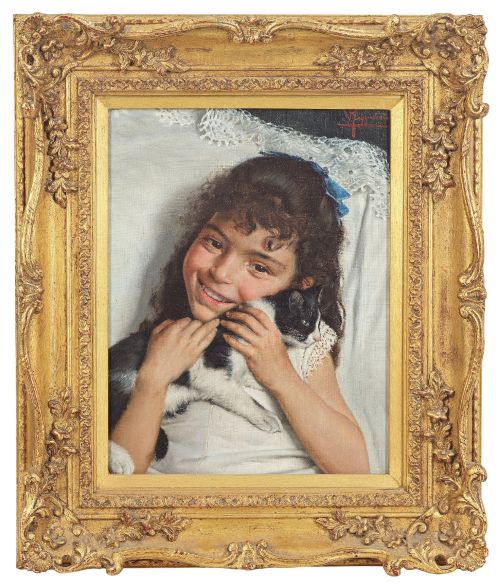
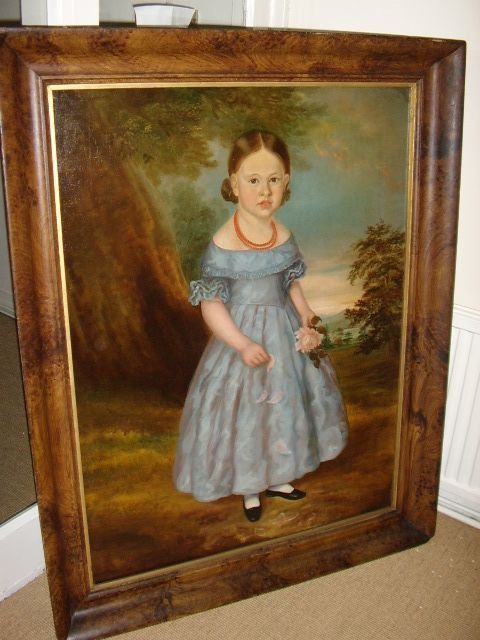
Oil Portrait of Children
An oil portrait of children captures youthful subjects through historic canvas and pigment, offering enduring character to any interior.
Oil Portrait of Children
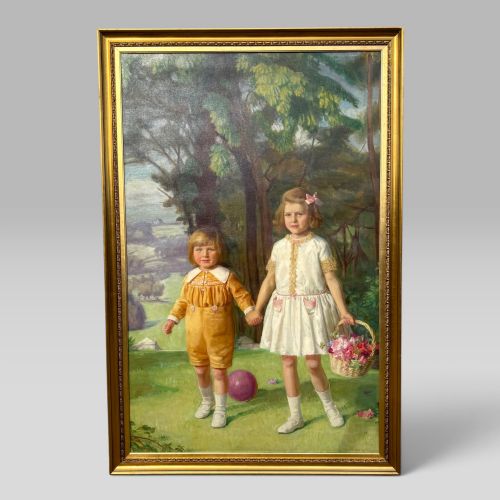
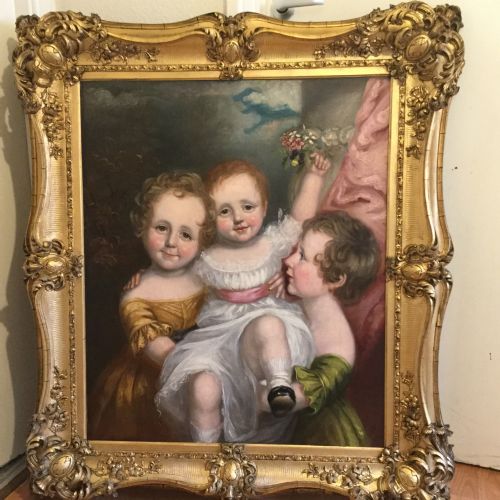
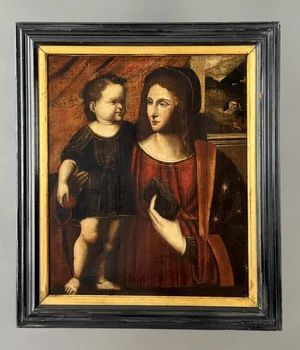
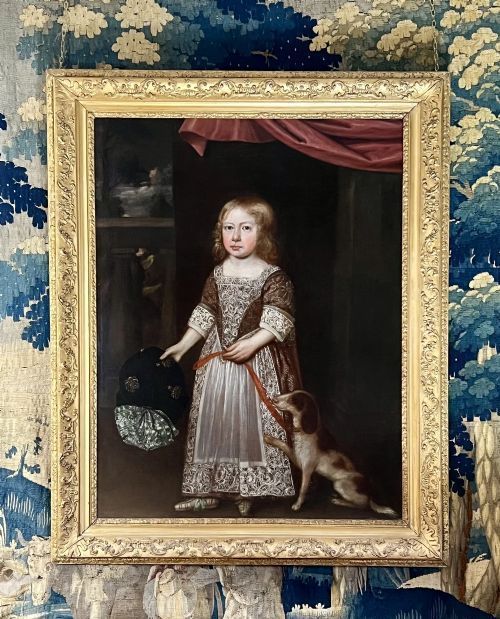
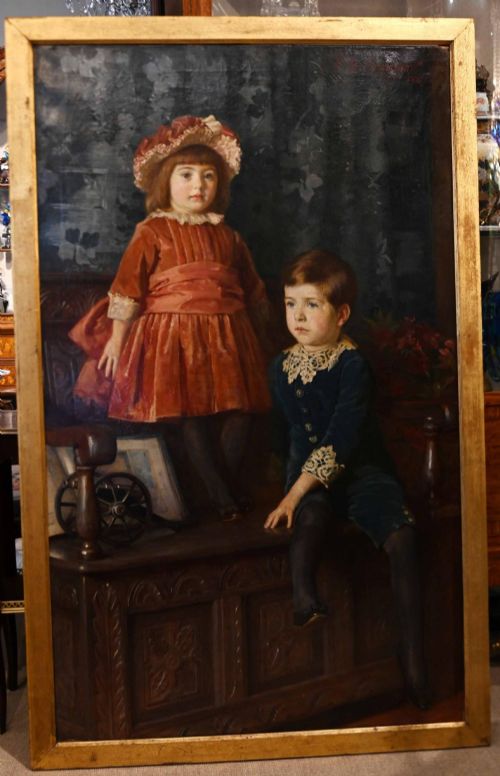
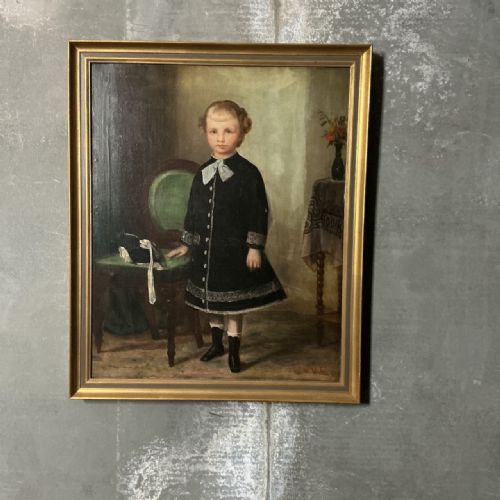
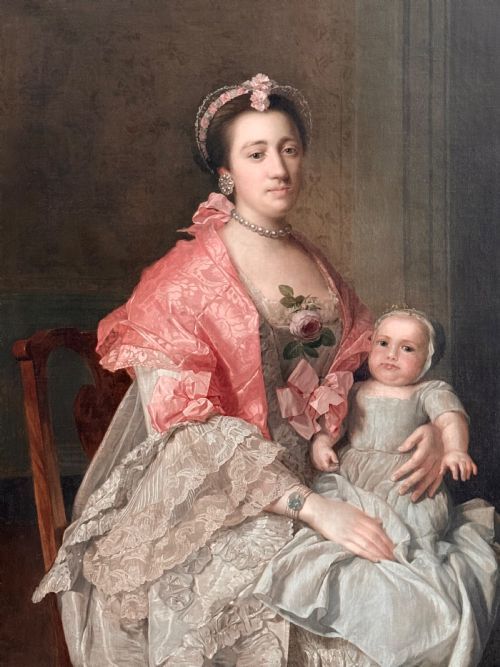
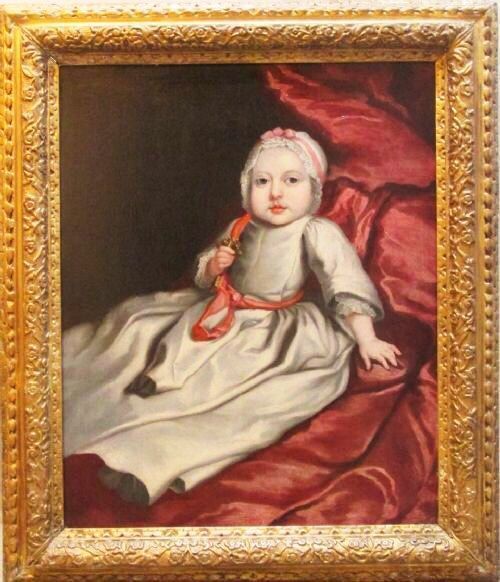
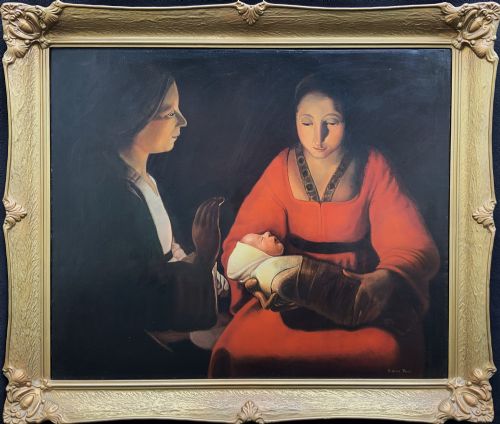
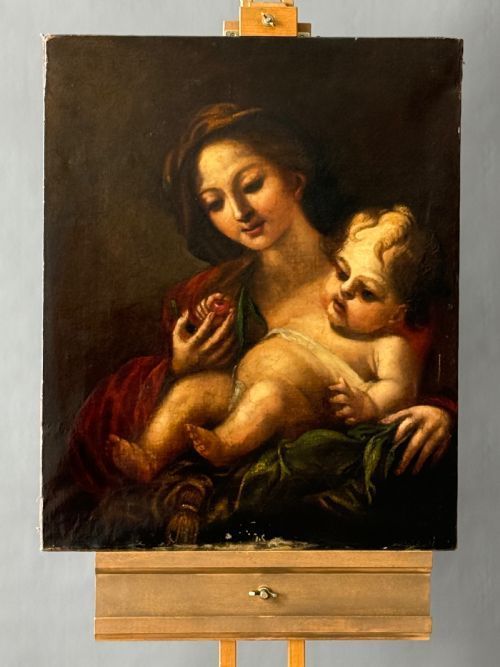
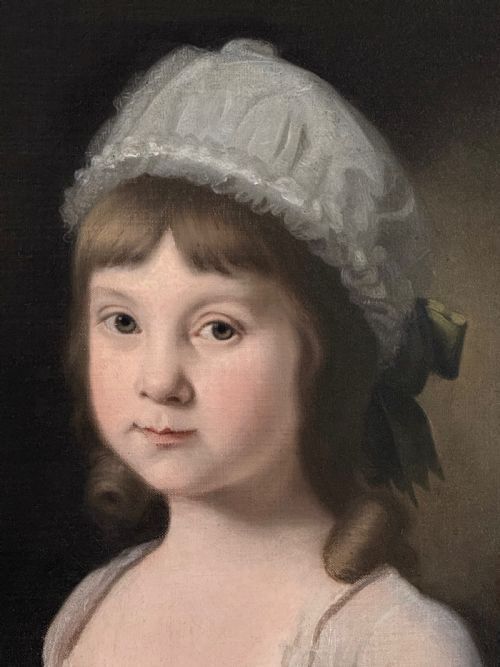
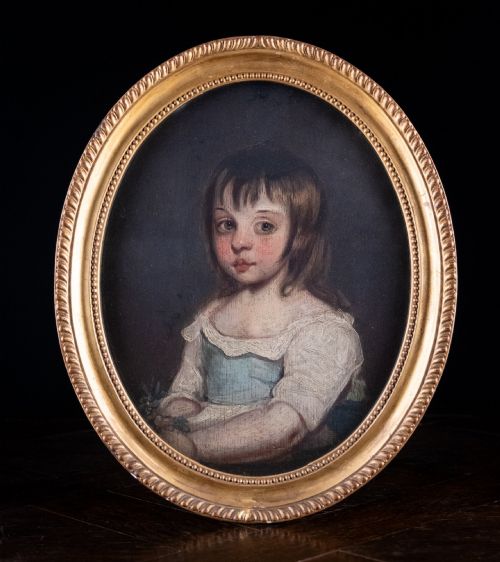
An oil portrait of children encompasses historic paintings depicting young subjects, ranging from informal folk art depictions to formal aristocratic commissions. Buyers encounter works spanning from the sixteenth century through the Georgian and Victorian eras up to the mid-twentieth century.
English, Italian, and Northern European schools dominate the selection, showing both naive regional interpretations and sophisticated academic execution.
Materials and Technique
Artists painted primarily with oil paint applied to stretched woven canvas support structures, occasionally utilising wood panels for earlier works. Pigments built up through layered glazes allowed painters to render soft flesh tones and detailed garments with realistic depth.
Frames play an integral structural and aesthetic role, constructed from wood and ornamented with moulded gesso then finished in metallic leaf or gilt wood. These frames protect the canvas margins while defining the visual boundary of the composition.
Listings feature oil on canvas works spanning from sixteenth-century religious panels to Edwardian family scenes.
Distinctions in Quality
The sophistication of the brushwork and the psychological engagement of the subject separate master studio output from routine decorative portraiture. Condition of the underlying canvas and stability of the historic paint layer also dictate the standing of a piece.
Joshua Reynolds·Allan Ramsay·Thomas Lawrence·George Morland·Vittorio Reggianini
The Oil Portrait of Children Glossary
- Canvas
- A heavy woven fabric stretched across a wooden frame to serve as a foundation for oil painting. This textile support flexes slightly with humidity changes and requires careful tension maintenance.
- Gesso
- A plaster mixture applied to wooden frames as a smooth base before gilding. This substance creates crisp relief details beneath metallic leaf layers.
- Giltwood
- Wood carved and coated with gold leaf or metallic powder to create a reflective frame finish. This technique enhances the warmth of historic oil paintings.
- Attributed to
- A term indicating a work created in the studio style of a known master during their working period without definitive signature proof. It suggests strong stylistic markers linking the piece to a specific hand.
- Naïve art
- Painting created by an artist lacking formal academic training, characterised by flattened perspective and direct charm. These works rely on intuitive observation rather than strict proportion rules.
Oil Portrait of Children: Frequently Asked Questions
How do I date an antique child portrait?
Dating relies heavily on clothing styles, hair arrangement, and canvas construction methods visible on the reverse. Costume historians often pinpoint decades through collars, lace, and button placements.
Secondary clues include stretcher frame types, nail construction, and the ageing characteristics of the oil paint and varnish layers.
What is the difference between studio work and follower pieces?
Studio works were produced by assistants working directly under a master artist, often incorporating the master's touch on key areas like faces. Follower pieces emerged later by artists working closely in the visual idiom of a celebrated master.
Both categories reflect high period skill but carry different degrees of direct connection to the primary artist named in the attribution.
How should I hang an oil portrait at home?
Hang these canvases away from direct sunlight and fluctuating heat sources to protect the delicate oil pigments and wooden stretcher frames. Stable interior wall conditions prevent canvas slackening and cracking.
Ensure the weight is supported securely by appropriate wall fixings suited to heavy giltwood frames.
Why do children hold animals or fruit in these paintings?
Objects and animals carried symbolic meanings in historical portraiture, denoting innocence, virtue, or familial wealth. Pears, cherries, dogs, and birds were frequent allegorical additions chosen by parents and painters.
These elements also gave young sitters something to hold, helping them remain still during lengthy painting sessions.