
Oil Portrait of Child
When you search for an oil portrait of child, you encounter centuries of figurative painting capturing the likenesses and social standing of young subjects.
Oil Portrait of Child
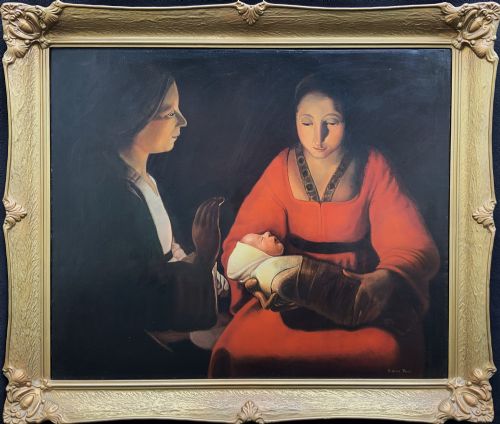
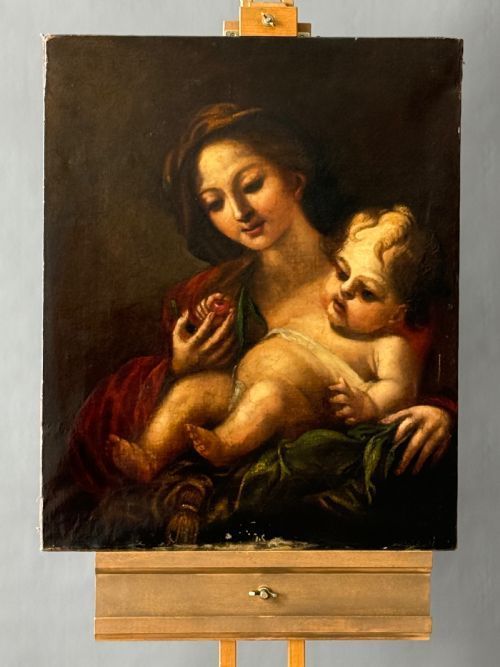
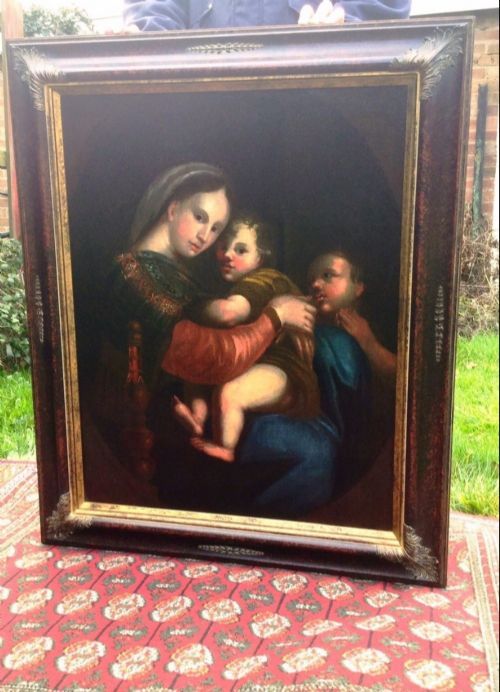
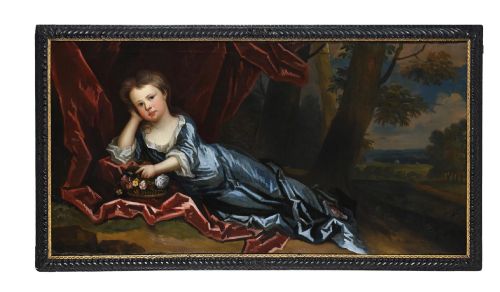
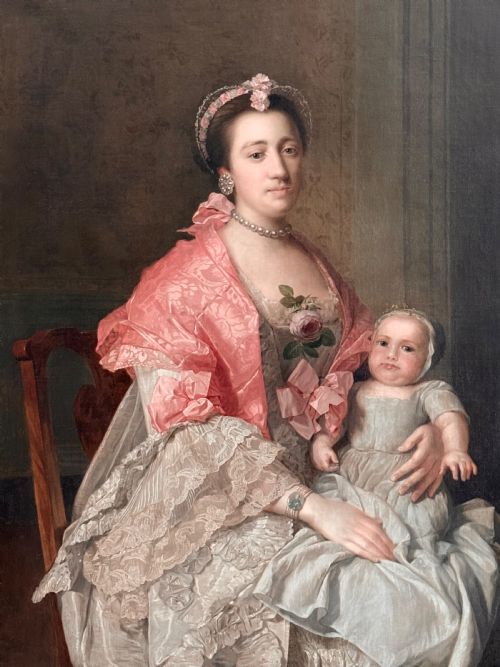
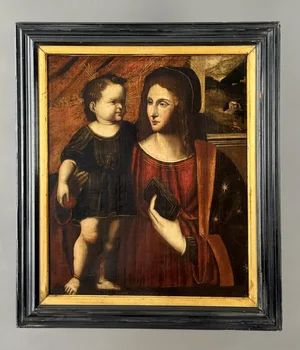
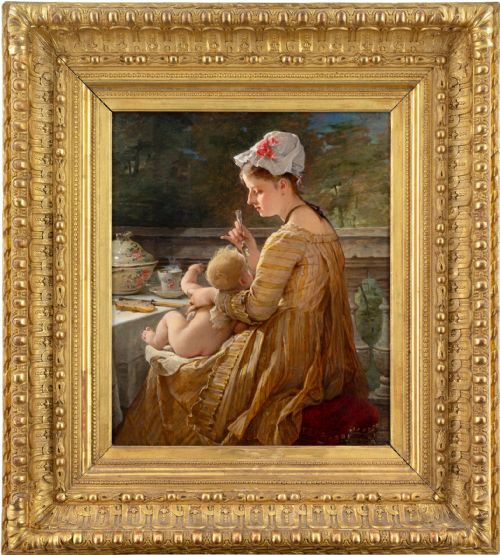
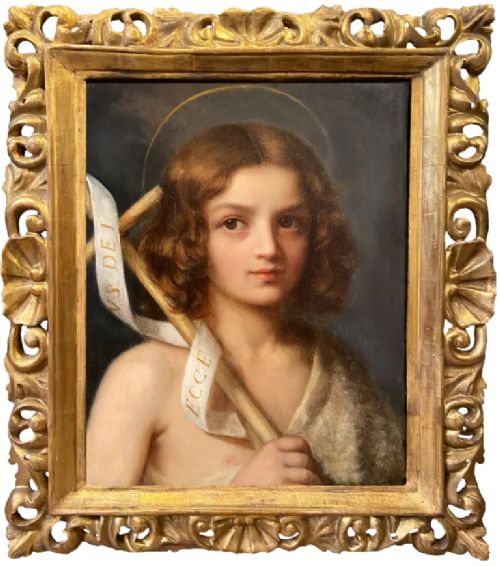
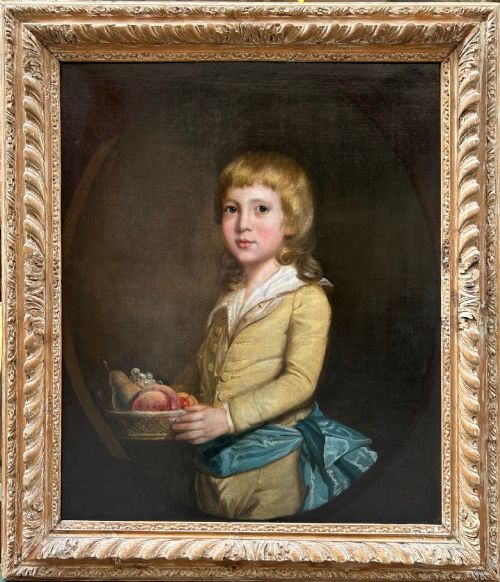
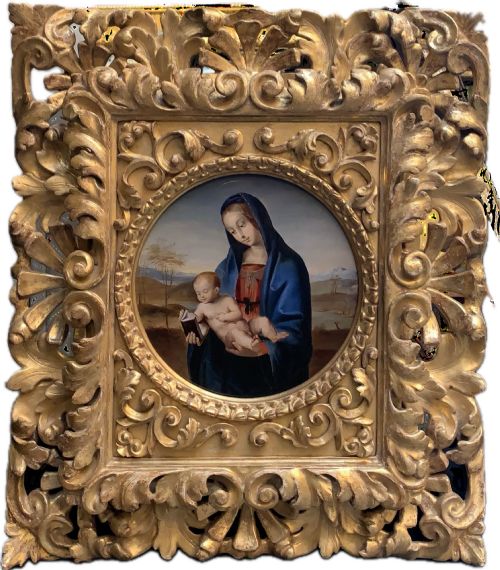
An oil portrait of child encompasses fine art paintings depicting young subjects, ranging from formal aristocratic commissions to provincial folk art representations. The examples available span centuries of production, including Italian Renaissance depictions of the Madonna and child alongside British Georgian and Victorian family groups.
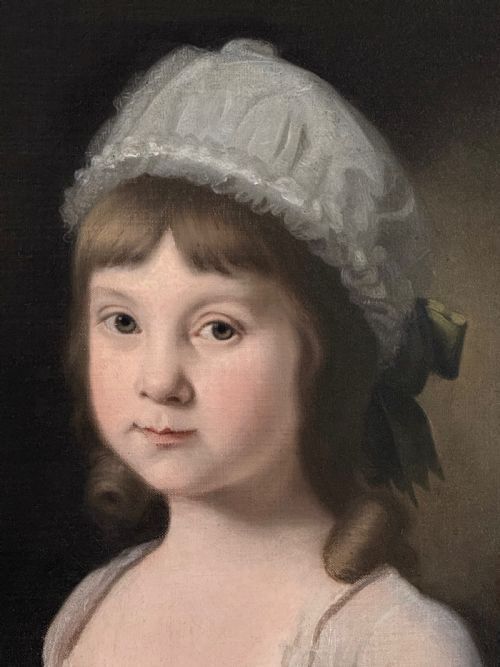
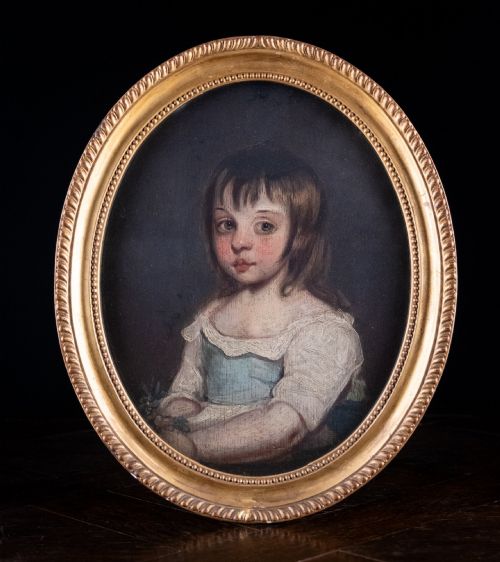
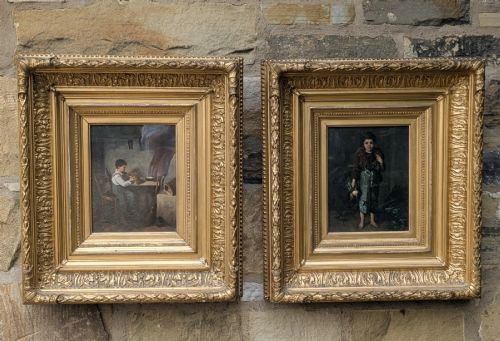
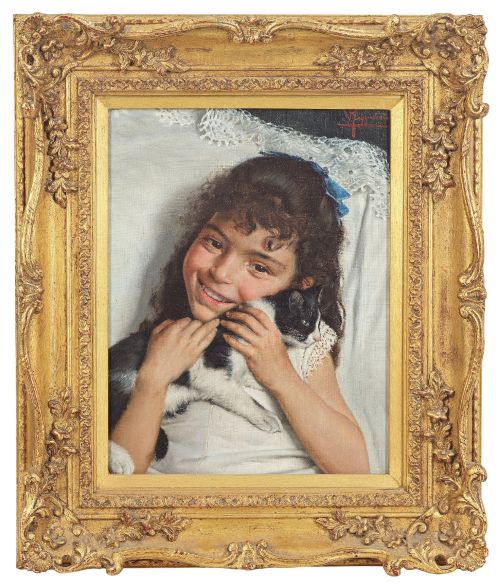
Buyers will find works attributed to various European schools, depicting subjects in settings ranging from domestic interiors to formal landscapes. These pieces frequently capture individual sitters, sibling pairs, or historical and religious figures rendered in oil on canvas.
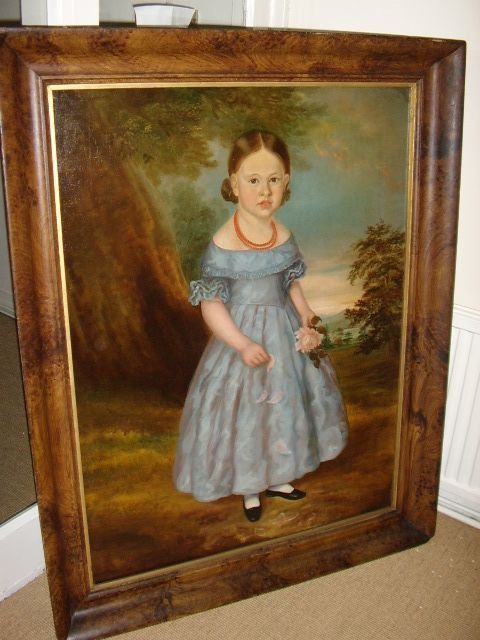
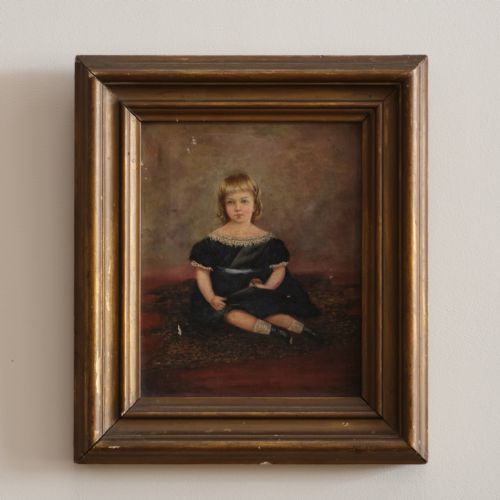
The selection extends from 16th-century religious compositions to 19th-century naive studies and 20th-century figurative works. Each piece preserves the dress, bearing, and artistic conventions of its specific period.
Materials and construction
The works rely upon oil paint applied to stretched canvas supports, sometimes housed within period wooden frames adorned with gesso and gilt finishes. Artists utilised traditional pigment mixtures layered over preparatory grounds to build depth and luminosity within the skin tones and drapery.
Framing often incorporates giltwood and carved wood surrounds that complement the aesthetic of the period, ranging from ornate Baroque mouldings to simpler Victorian borders. The physical construction combines structural stretcher frames with textile supports that require stable environmental conditions.
Several subjects are accompanied by pets, ranging from small dogs to exotic birds.
Evaluating the standard of work
Quality in these figurative works rests upon the artist's ability to render anatomical proportions, facial expression, and textile textures with conviction. Master works demonstrate subtle control over light and shadow, creating realistic volume and psychological depth in the sitter's gaze.
Provincial or naive pieces display a more direct, flattened perspective and simplified handling of form, which holds its own charm distinct from academic precision. The integrity of the original canvas surface and the preservation of the pigment layers further influence the standing of any individual painting.
Joshua Reynolds·Allan Ramsay·Thomas Lawrence·Arthur William Devis·Michael Dahl
The Oil Portrait of Child Glossary
- Oil on canvas
- A painting technique where pigment suspended in drying oil is applied to a woven fabric support stretched across a wooden frame. This combination became the primary medium for easel painting from the Renaissance onward.
- Gesso
- A paint mixture consisting of a neutral binder mixed with chalk, gypsum, or pigment, used extensively to prepare wood and canvas surfaces or to build up relief details on picture frames before gilding.
- Giltwood
- Wood that has been coated with a thin layer of gold leaf or gold dust over a prepared base, commonly utilised for decorative antique picture frames.
- Provincial school
- Art produced by regional painters working outside major metropolitan centres, often displaying local stylistic traits and traditional methods.
- Old Master
- A term applied to European painters of skill working before about eighteen hundred, or to a painting produced by such an artist.
Oil Portrait of Child: Frequently Asked Questions
How do I date an oil portrait of child?
Dating relies heavily upon the style of clothing, hair arrangement, and framing techniques visible in the composition. Evidence from stretcher construction and canvas preparation also helps establish the era of creation.
Comparative analysis with known works by regional schools or documented artists narrows the period further. Pigment analysis can confirm material age when stylistic indicators remain ambiguous.
What is naive folk art?
Naive art refers to pieces created by self-taught or provincially trained artists who worked outside established academic rules. These works prioritise direct expression and pattern over strict anatomical accuracy.
Such paintings offer genuine insight into domestic life and local tastes across the eighteenth and nineteenth centuries. Their unpretentious character distinguishes them from formal court commissions.
How should I care for an oil portrait of child?
Maintain stable room temperatures and moderate humidity levels to prevent the canvas from slackening or the wooden stretcher from warping. Keep the painting away from direct sunlight to avoid fading the oil pigments and discolouring varnishes.
Dust the surface gently with a soft, dry brush without applying pressure to the paint layer. Avoid using liquid cleaners or chemical solvents on the canvas or the gilt frame.
What is the difference between studio work and circle of an artist?
Studio work refers to paintings produced by assistants working under the direct supervision and instruction of a master artist. These pieces often utilised the master's compositional designs.
Circle of an artist denotes a painter working in close proximity to a known master, sharing similar techniques and stylistic traits without being a direct pupil. Both categories reflect the prevailing artistic standards of the master's workshop.