

Oil Painting Landscape Art
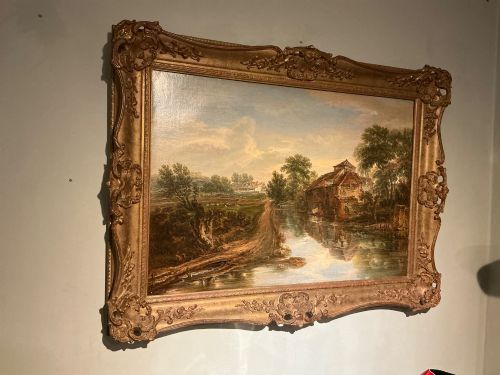
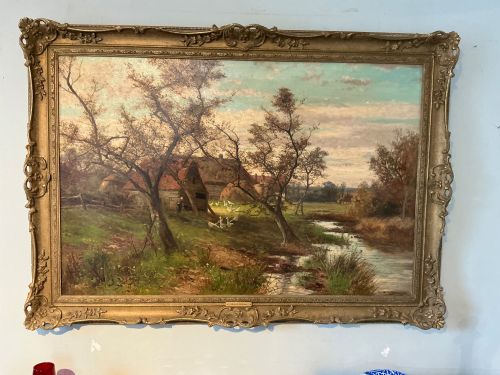
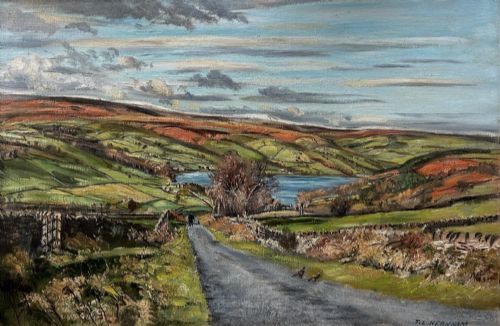
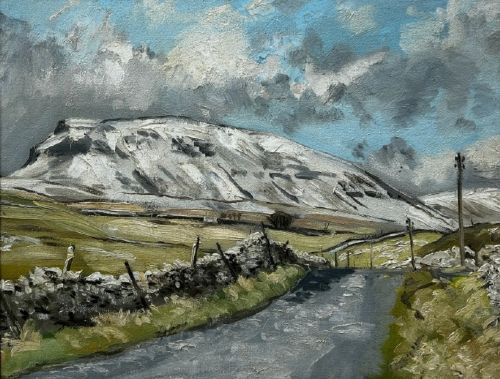
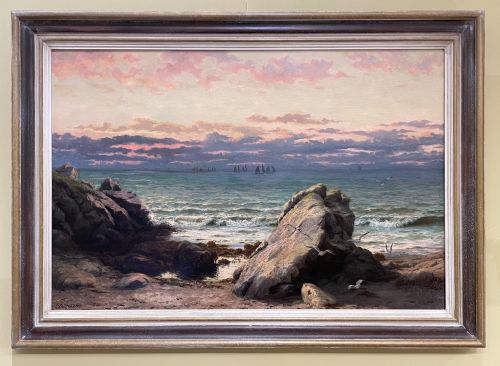
Oil painting landscape art captures natural vistas, rural scenes and coastal harbours through pigmented oils on canvas or wood.
Oil Painting Landscape Art
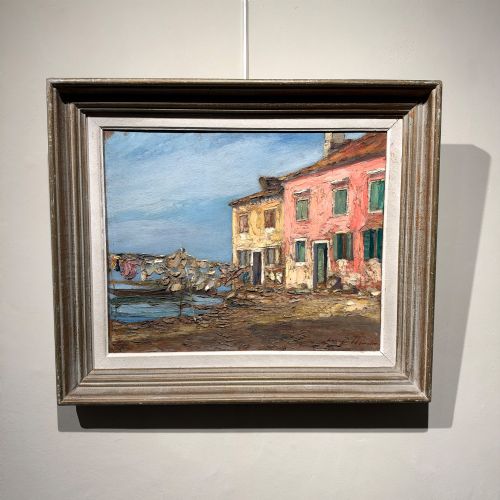
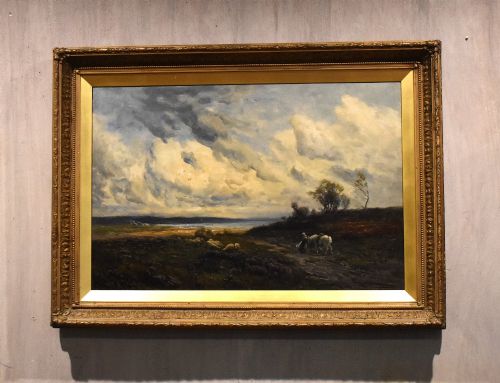
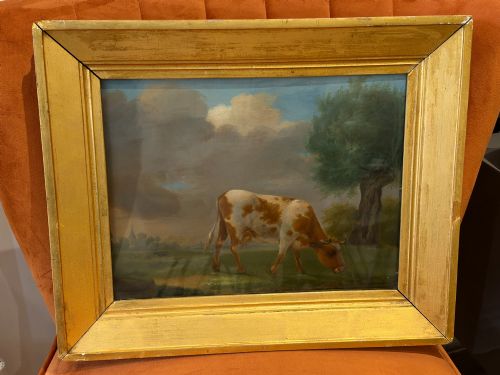
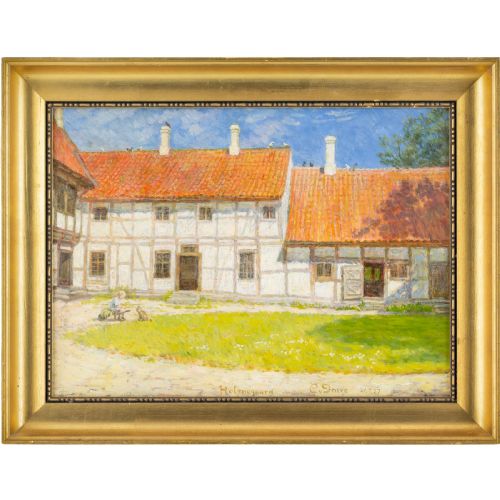
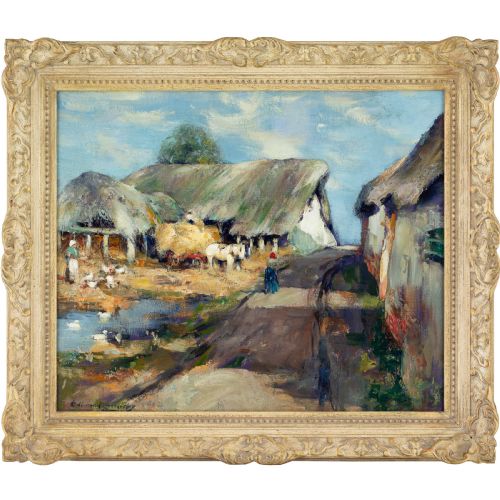
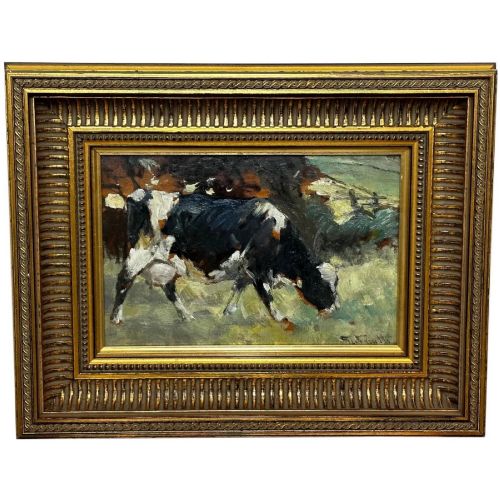
When searching for oil painting landscape art, buyers encounter varied pastoral views, coastal harbours, and rural farmyard scenes spanning multiple centuries. These works record outdoor scenery through the specific vision of Victorian, Edwardian, and mid-century artists.
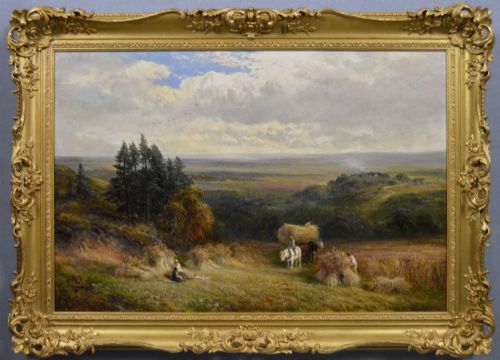
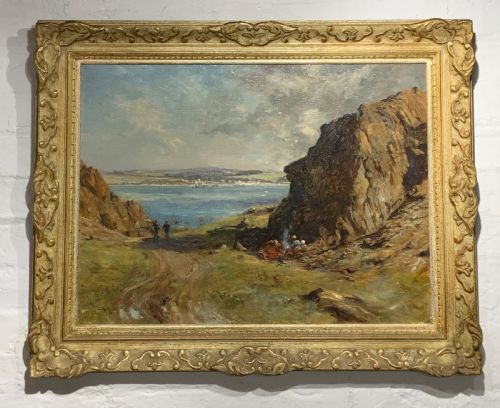
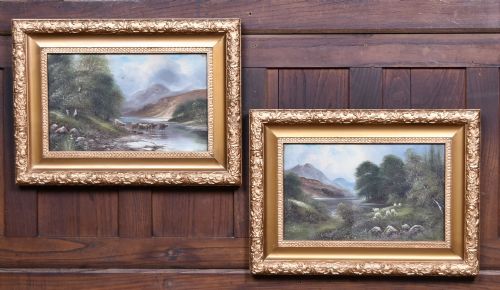
The pieces on this page appear on canvas, board, and panel, recording subjects from Italian coastlines to British winter mornings. Painters utilise oil paint to capture light on haystacks, rivers, and woodland lakes across different European schools.
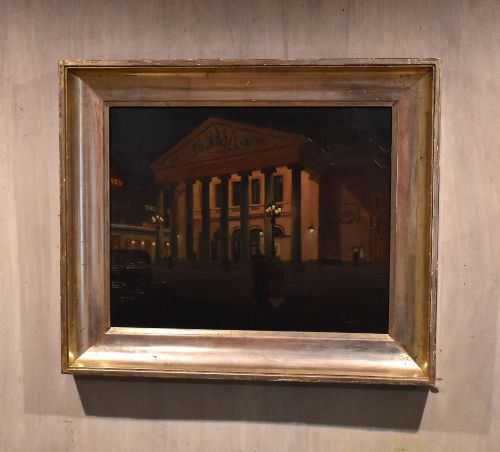
Earlier examples include nineteenth-century British and Dutch school compositions, while mid-century works present street views and vintage maritime scenes. Each painting brings a tangible record of topography and rural life into an interior space.
How They Were Made
Artists apply oil paint to stretched canvas, wooden panels, or rigid board supports, often building texture with gesso primers beneath the pigments. The medium allows for slow drying times, enabling painters to blend tones and achieve atmospheric lighting effects.
Many historical works feature ornate giltwood frames that complement the composition, while others utilise simpler wooden mouldings. Brushwork varies from precise academic detail in nineteenth-century pieces to freer application in mid-century landscape art.
Oil Painting Landscape Art Retail Price Guide 2026
Typical asking prices for oil painting landscape art among the pieces listed under this phrase on Sellingantiques today, from the lower quarter to the upper quarter. They describe what is for sale here now, not the wider market.
Several canvases capture Victorian horses enjoying a brisk morning ride through Hyde Park.
What Varies in Quality
Quality rests upon the artist's handling of light, perspective, and atmospheric depth within the scene. Superior works display confident brushwork and a balanced composition that draws the viewer into the painted topography.
The skill of the painter determines whether a landscape conveys convincing movement in water, clouds, and foliage. Provenance, signature clarity, and the integrity of the original support further distinguish finer examples.
Siegfried Bendixen·Michele Federico·Ernest Rigg·Evelyn Harris·Stanley Leader·Robert Duddingstone Herdman·John Syer·Adolf Johann Höffler·Robert Gallon·Pieter Cornelis Steenhouwer·John Horwood·William Shayer·Herbert Royle·George F. Bird·David Murray·Alonso Perez·William Langley·Jacob Philipp Hackert·Sushila Singh·Samuel Joseph Clark·Edward Holmes·Francesco Guardi
The Oil Painting Landscape Art Glossary
- Canvas
- A woven fabric, typically linen or cotton, stretched over a wooden frame to serve as a support for oil painting. It provides a textured surface that holds layered pigments securely.
- Gesso
- A paint mixture consisting of a binder mixed with chalk, gypsum, or pigment used to prepare wood or canvas substrates. This ground creates a smooth, stable surface for oil application.
- Giltwood
- Wood that has been coated with a thin layer of gold leaf or gilt powder. Antique frames often utilise this material to enhance the visual weight of the artwork.
- Dutch School
- A collective term for painters working in the Netherlands during various centuries, known for atmospheric lighting and marine or winter landscapes. These works often show meticulous attention to meteorological details.
- Impressionist
- A style focusing on the accurate depiction of light and its shifting qualities rather than precise details. Artists use small, visible brush strokes to capture the immediate visual impression of a scene.
Oil Painting Landscape Art: Frequently Asked Questions
How do I date an antique oil landscape?
Dating relies upon stylistic clues, stretcher construction, canvas types, and artist signatures recorded in the title. Examining the framing materials and historical dress of any figures helps narrow the decade.
Secondary evidence such as gallery labels or biographical records of the painter confirm the active period of production.
Where should I hang a landscape painting?
Landscape art suits living rooms, hallways, and studies where natural light complements the painted atmosphere. Placing them away from direct sunlight preserves the oil pigments over time.
Consider the scale of the wall relative to the canvas size to ensure balanced interior proportion.
What is the Dutch School style?
The Dutch School encompasses artists influenced by historic Dutch traditions, often depicting flat horizons, frozen canals, and shipping vessels. These compositions emphasise dramatic skies and subdued tonal palettes.
Works in this manner frequently highlight atmospheric weather conditions and maritime activity.
How do I care for oil on canvas?
Maintain stable indoor humidity and temperature to prevent canvas slackening and wood warping. Dust the surface gently with a soft, dry brush without applying liquid cleaners.
Professional conservators should handle any structural repairs or surface cleaning.