




Oceanic Art
Oceanic art comprises tribal artefacts and traditional weapons fashioned across the Pacific islands, prized by collectors for their striking sculptural form and historical depth.
Oceanic Art
When you search for oceanic art, you encounter a range of material culture originating from regions including Polynesia, Melanesia, and Indigenous Australia. These pieces date principally from the nineteenth century, encompassing utilitarian implements as well as sacred items.
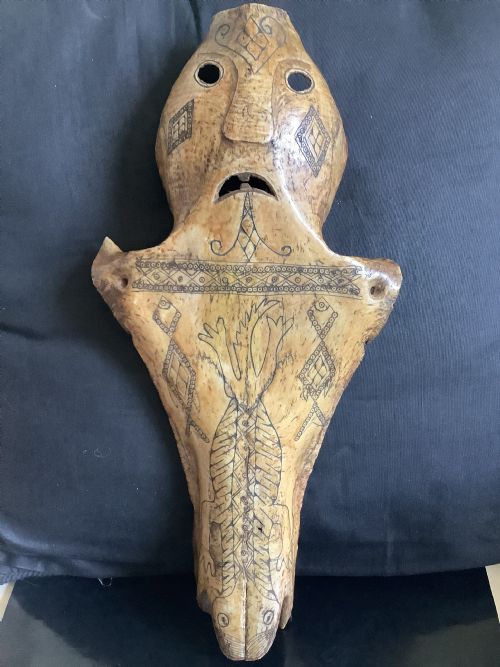
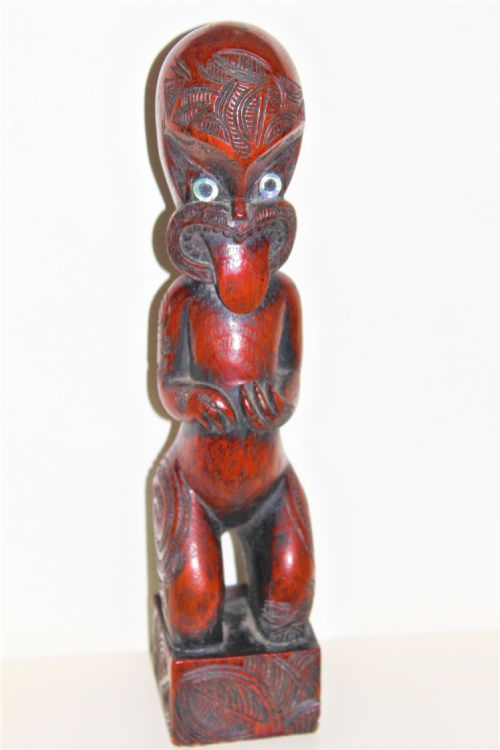
The objects represented on this page lean heavily towards functional and martial forms, specifically fighting clubs, war clubs, and throwing clubs. Alongside these weaponry items, you find ceremonial vessels, hanging bowls, paddles, and carved figures.
Geographic attribution spans specific cultures such as the Atoni people of west Timor, Kanak makers of New Caledonia, Fijian warriors, and Maori carvers. Each piece reflects the distinct aesthetic traditions and island environments of its makers.
How they were made
Makers utilised dense native timbers, shaping polished hardwood and general wood into balanced clubs, paddles, and bowls. These foundational wooden structures were frequently carved using traditional hand implements.
Additional materials integrated into the construction include bone, natural fibre, rattan, and resin. Pigment was also applied to surfaces for ornamentation and ritual purpose.
The combination of resilient organic materials and meticulous carving ensured that functional items like fighting clubs and woomeras possessed both durability and distinct tribal artistry.
Oceanic Art Retail Price Guide 2026
Typical asking prices for oceanic art among the pieces listed under this phrase on Sellingantiques today, from the lower quarter to the upper quarter. They describe what is for sale here now, not the wider market.
Current listings span the nineteenth century, featuring hardwood, bone, and pigment across tribal art and weapons.
What varies in quality
The distinction between standard examples and superior pieces rests upon the crispness of the carving and the sculptural presence of the form. A well-executed bird head motif or a deeply ribbed paddle club demonstrates a higher degree of artisan skill.
Provenance and cultural attribution elevate an item significantly, particularly when a specific regional style or maker group is clearly identifiable. The integration of varied materials like bone and fibre alongside timber also adds complexity to an artefact.
Atoni people·Kanak·Maori
The Oceanic Art Glossary
- Woomera
- An Australian Aboriginal spear thrower designed to increase the velocity and force of a thrown spear. It typically consists of a curved wooden board with a peg at one end.
- Ula drisia
- A traditional Fijian throwing club characterised by a multi-lobed wooden head. Warriors used these balanced weapons in close combat or hurled them at opponents.
- Go porowa
- A traditional term associated with specific war clubs from New Caledonia. These wooden implements exhibit distinct regional typology and carved detailing.
- Tribal artefact
- An object produced by an indigenous community for utilitarian, ritual, or decorative purposes. In this context, the term covers traditional weapons, vessels, and sculptures from Pacific cultures.
Oceanic Art: Frequently Asked Questions
How were tribal clubs used?
Tribal clubs served primarily as weapons for warfare, personal defence, and hunting among Pacific island societies. Certain forms, such as throwing clubs, were designed to be hurled at targets, while others were wielded in close combat.
Beyond their martial function, many clubs held symbolic value and denoted the status of the warrior who carried them.
What materials did makers use?
Makers relied heavily on native timbers, selecting dense hardwoods and general wood to ensure durability in weapons and bowls. They also incorporated materials such as bone, rattan, resin, and natural fibre.
Surfaces were frequently embellished with applied pigment to enhance the visual impact of the carving.
How do I date nineteenth century pieces?
Dating nineteenth century artefacts relies on identifying the traditional tool marks, wood patina, and wear consistent with pre-industrial island manufacture. Stylistic markers specific to certain regional groups also help establish the historical period.
Examining the natural ageing of organic materials like bone and fibre provides further context regarding the age of an object.