




Ocean Vessel Canvas Art
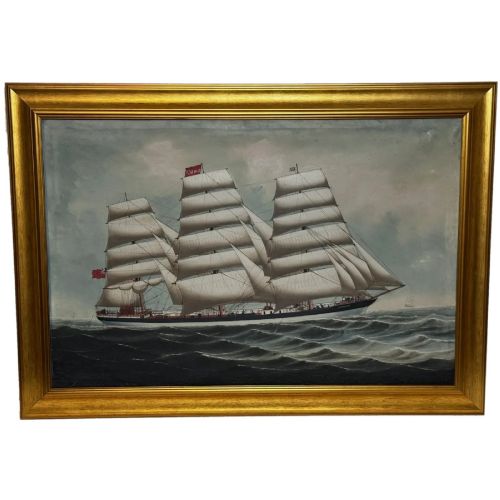
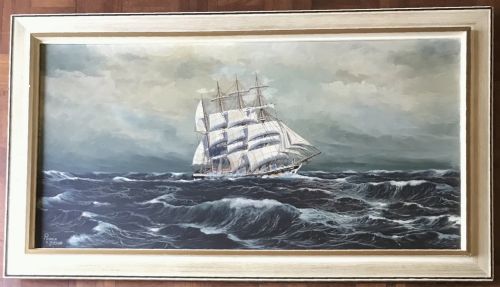
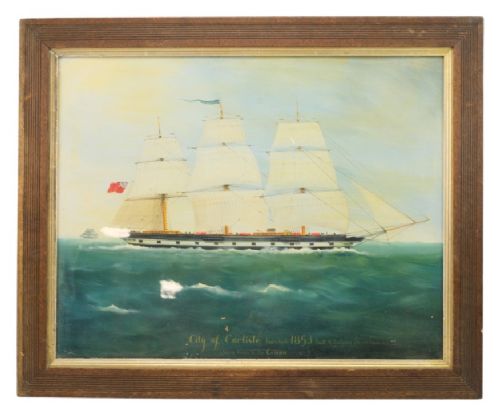
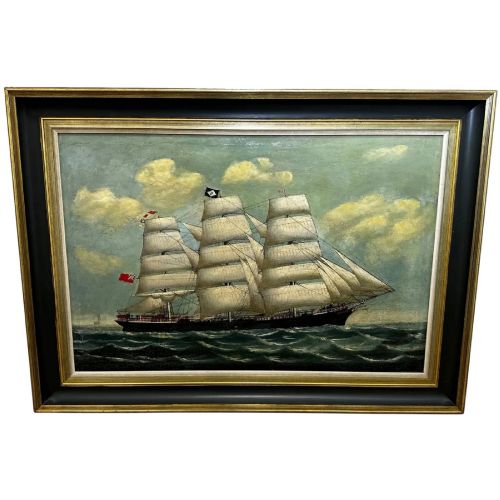
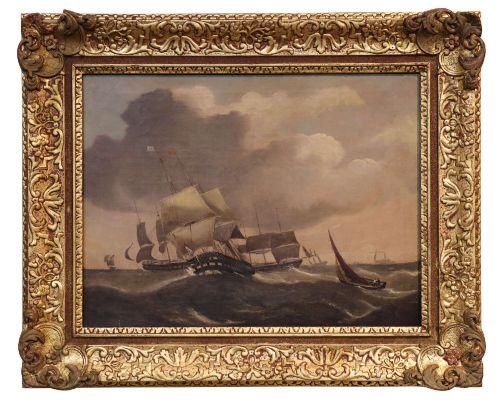
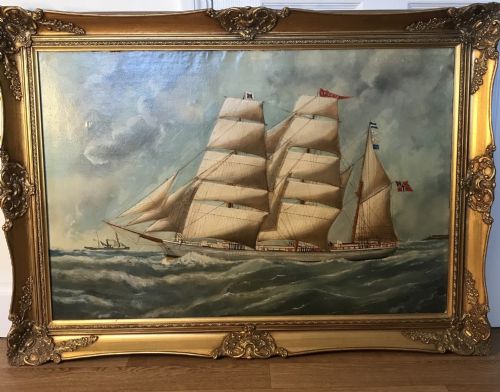
Ocean vessel canvas art brings maritime history into a room through oil paintings on canvas that record centuries of shipping.
Ocean Vessel Canvas Art
Ocean vessel canvas art comprises oil paintings on canvas depicting ships, seascapes and maritime scenes across multiple periods. The selection here leans heavily toward nineteenth century and Victorian works alongside twentieth century examples.
Buyers encounter depictions of British merchant ships, clippers, steamers and fishing boats rendered in styles ranging from maritime realism to impressionism. These pieces capture sailing vessels and steam ships in calm waters, heavy seas and gales.
Origin points vary from British and Scottish coastal scenes to Dutch boats and Mediterranean views. The works include framed paintings and large canvases showing historical vessels like the Cutty Sark and the Thermopylae.
Quality variations
Quality in these maritime paintings rests on the skill with which the artist handles the medium to convey the movement of water and rigging. Finer works demonstrate a precise understanding of naval architecture combined with atmospheric lighting in rough or calm seas.
The integration of the original frame, such as giltwood or gold leaf mouldings, influences the overall integrity of the piece. Superior examples maintain the original canvas tension and pigment stability without heavy later intervention.
Ocean Vessel Canvas Art Retail Price Guide 2026
Typical asking prices for ocean vessel canvas art among the pieces listed under this phrase on Sellingantiques today, from the lower quarter to the upper quarter. They describe what is for sale here now, not the wider market.
The listings feature oil on canvas works across multiple centuries, incorporating materials like wood, giltwood and gold leaf within traditional framing.
Reginald Arthur Borstel·John Rose Miles·Bonaventura Peeters·Lai Fong·Daniel Sherrin·Hendrik Willebrord Jansen·Dion Pears·George Gregory·Marie Edouard Adam·Gustave de Breanski·V Dybdal·J Wilson·Richard Ball Spencer
The Ocean Vessel Canvas Art Glossary
- Canvas
- A heavy woven fabric used as a surface for oil painting. It provides the flexible yet durable base for most historical maritime artworks.
- Giltwood
- Wood carved and covered with gold leaf or a gold-coloured finish. This material forms the ornate frames frequently found surrounding nineteenth century marine paintings.
- Marine painting
- A genre of art that focuses on ships, sea battles, coastal views and harbour scenes. It encompasses everything from detailed port portraits to dramatic storm canvases.
- Pierhead painting
- A specialised type of ship portrait typically commissioned by captains or owners to record a specific vessel. These works often show the ship just outside a harbour.
- Oil paint
- A slow-drying paint made by mixing pigments with a drying oil such as linseed. It allows artists to achieve subtle tonal gradations in sky and water.
Ocean Vessel Canvas Art: Frequently Asked Questions
What periods do these paintings cover?
The selections span from the seventeenth century through the Victorian era and into the twentieth century. Earlier works show Dutch boats in gales while later pieces capture steam ships and ocean liners.
Most items date from the nineteenth century, reflecting the height of maritime trade and marine art production.
How should I hang a large maritime canvas?
Large marine canvases require sturdy wall anchors to support the weight of the wood stretcher and heavy giltwood frame. Position them away from direct sunlight and humidity fluctuations to protect the oil paint and canvas.
Ensure the hanging height places the centre of the composition at eye level for optimal viewing of the water and rigging details.
How can I tell a nineteenth century painting from a later one?
Nineteenth century works often display traditional rigging details of clippers, barques and three-masted schooners alongside Victorian framing styles. Pigment analysis and canvas preparation can also offer clues to the period of creation.
Twentieth century pieces frequently introduce steam ships, ocean liners and twentieth century artistic techniques like impressionism.
What subjects are most common in these artworks?
Common subjects include merchant ships, clippers, fishing trawlers and naval vessels navigating coastal waters or open seas. Many paintings focus on specific historical ships documented during active service.
Seascapes also feature dramatic storms, harbour views and calmer coastal breezes involving British and European vessels.