

Occasional Dining Table
An occasional dining table offers flexible surface space for smaller gatherings, spanning compact drop-leaf forms and tilt-top designs across Georgian, Victorian, and Edwardian periods.
Occasional Dining Table
When you search for an occasional dining table, you find a varied selection of antique furniture pieces designed to adapt to different room layouts and dining needs. The selections on this page bridge the gap between compact day-to-day surfaces and extendable tables for meals, drawing from periods like the Georgian, Victorian, and Edwardian eras.
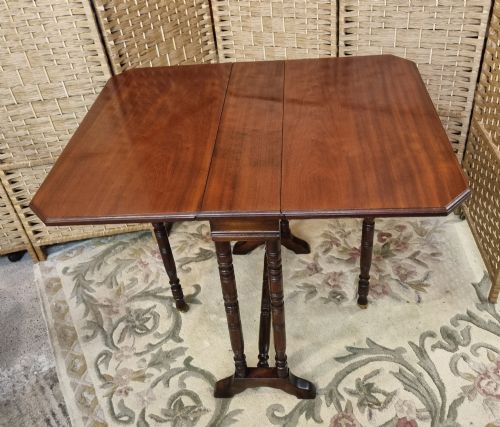
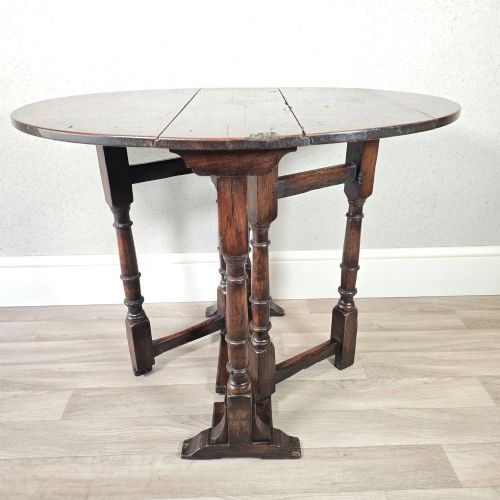
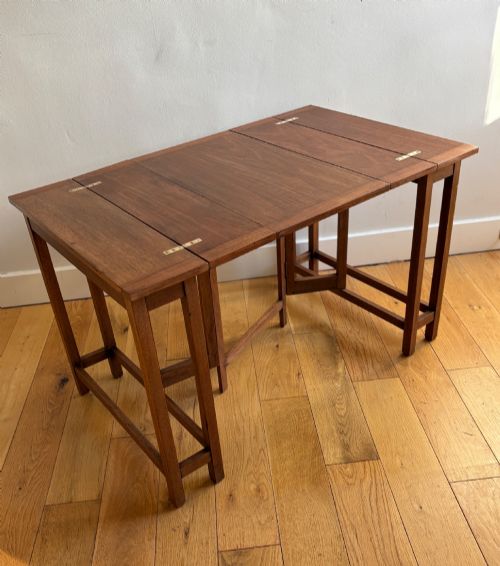
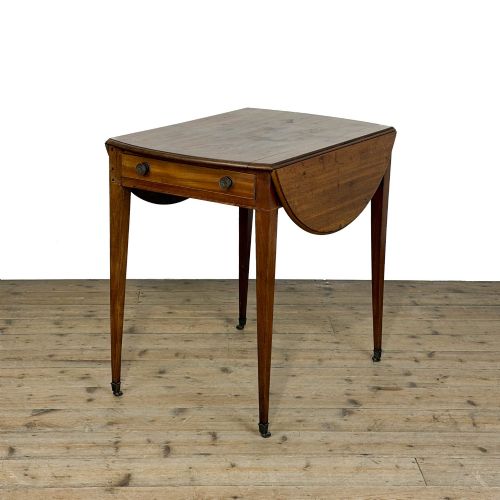
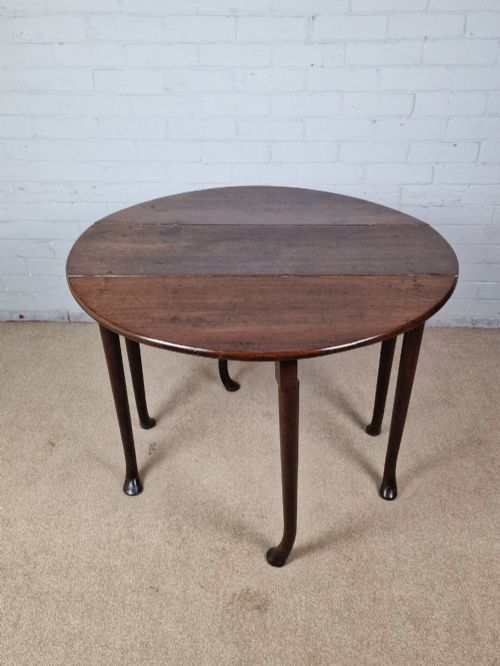
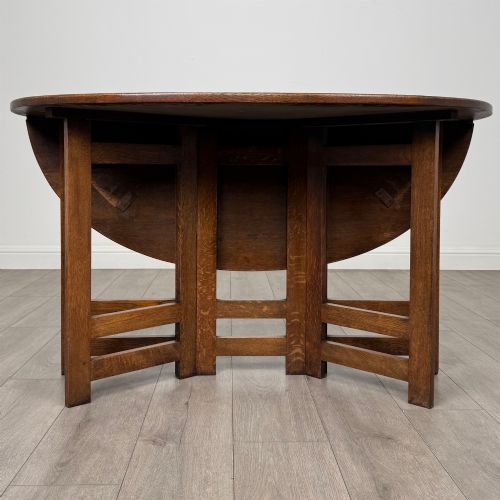
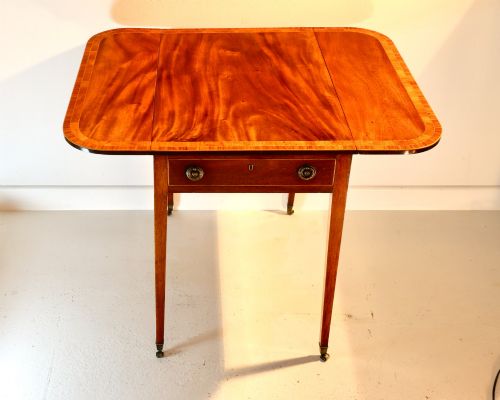
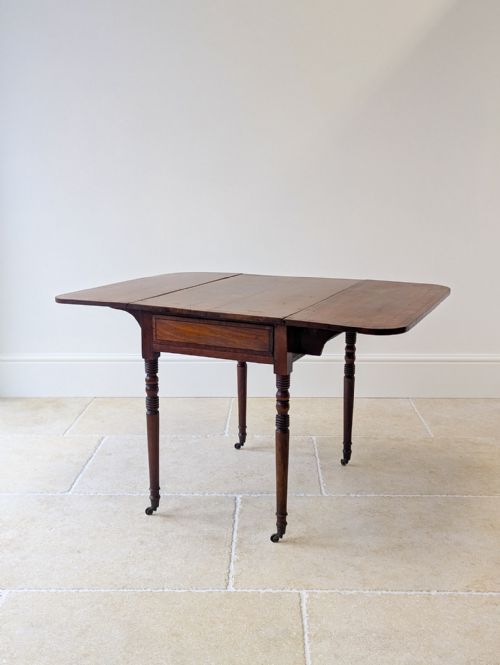
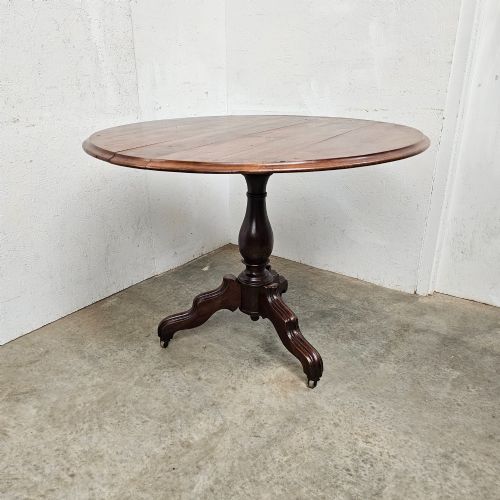
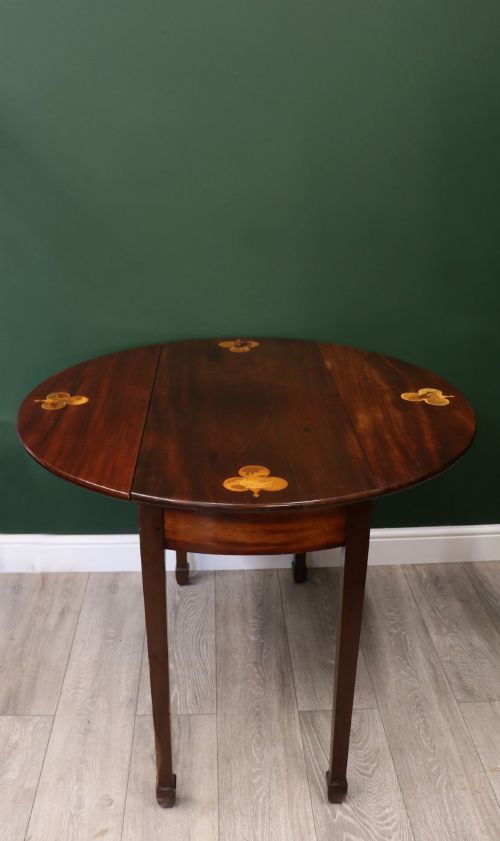
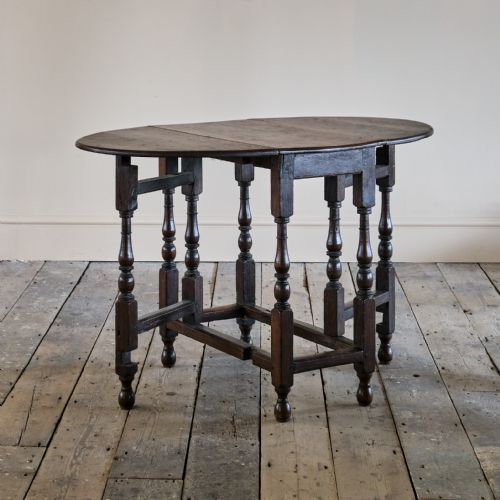
You are most likely to meet Pembroke tables and drop-leaf formats on this page, alongside centre tables and loo tables. These forms utilise folding leaves, gatelegs, or tilt-top mechanisms to reduce their footprint when not in active use as a dining surface.
The origins of these pieces extend from 18th-century workshops through to the early 20th century, displaying styles such as Regency, Jacobean Revival, and Arts and Crafts. Their versatility defines them, serving as side tables, breakfast tables, or supper tables depending on the configuration of their leaves and legs.
How they were made
Cabinetmakers constructed these tables primarily in mahogany, oak, and walnut, often selecting burr walnut or figured mahogany for decorative top surfaces. Solid timbers provided structural stability for gatelegs and folding leaves, while satinwood and brass details occasionally supplied inlay and hardware accents.
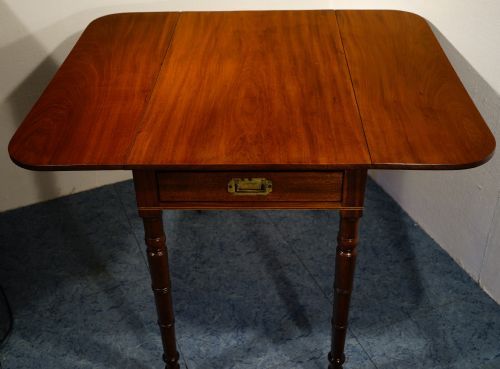
Joinery methods included drop-leaf hinges, gateleg pivot actions, and tilt-top mechanisms supported by tripod pedestals or cabriole legs. Marquetry inlay, carved details, and turned elements like barley twist or bobbin legs reveal the specific regional and period techniques applied by makers.
Occasional Dining Table Retail Price Guide 2026
Typical asking prices for occasional dining table among the pieces listed under this phrase on Sellingantiques today, from the lower quarter to the upper quarter. They describe what is for sale here now, not the wider market.
Listings feature woods including mahogany, walnut, burr walnut, oak, and satinwood across Georgian, Victorian, and Edwardian periods.
What varies in quality
The distinction between tiers of quality rests on the selection of timber veneers, such as figured mahogany or burr walnut, and the precision of marquetry inlay. Superior examples display carefully matched grain patterns across folding leaves and tabletops, maintaining visual continuity when fully extended.
Structural integrity in the mechanisms - such as the smoothness of drop-leaf actions, the stability of gateleg pivots, and the tightness of tilt-top latches - separates robust daily-use furniture from purely decorative pieces. Refined carving on cabriole legs or turned supports further indicates skilled workshop production.
The Occasional Dining Table Glossary
- Pembroke table
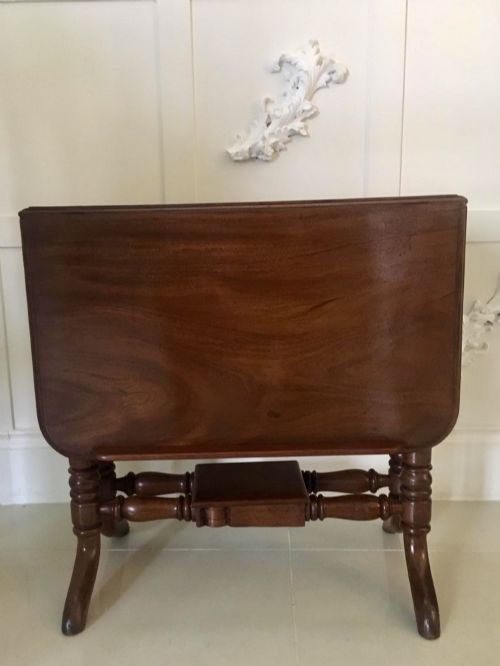
- A small rectangular table with two hinged drop leaves on opposite sides. It often includes one or two small drawers and slender legs.
- Gateleg table
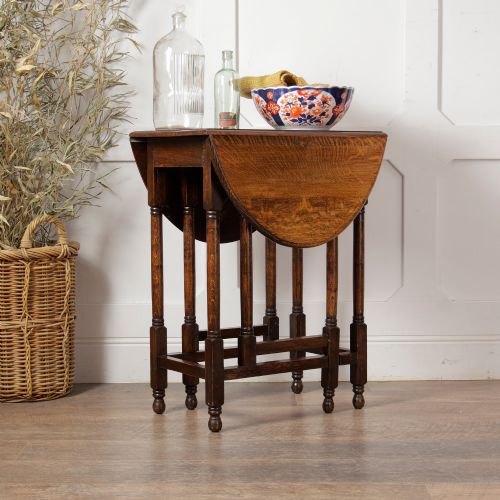
- A table featuring hinged leaves supported by extra legs that swing out like a gate. This design allows the surface area to expand or contract easily.
- Tilt-top table
- A table with a tabletop that pivots to a vertical position when not in use. This mechanism allows the piece to be stored flat against a wall.
- Centre table
- A freestanding table designed to be viewed from all sides in the middle of a room. These often feature elaborate marquetry or central pedestals.
- Sutherland table
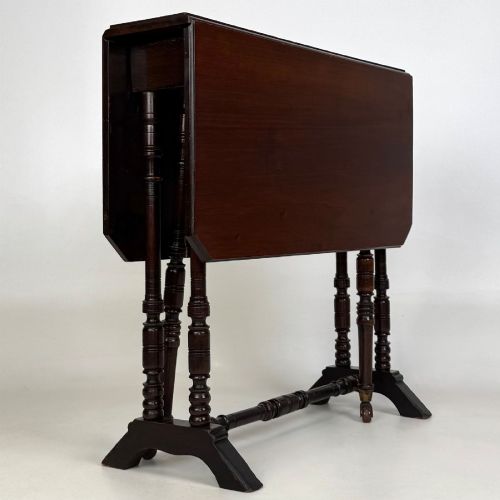
- A narrow drop-leaf table with exceptionally slender leaves and folding leg supports. It folds down to a very thin profile for compact storage.
- Loo table
- A large round or oval table designed for card games, which typically tilts for storage. They frequently feature heavy central pillars and elaborate veneered tops.
Occasional Dining Table: Frequently Asked Questions
What is an occasional dining table?
An occasional dining table is a versatile piece of furniture designed to adapt between everyday surface use and compact storage. These tables often incorporate folding leaves or tilt mechanisms to change their footprint.
They appear in various historic styles from the 18th century through the Edwardian period. Their flexible design makes them suited for smaller dining spaces or multi-purpose rooms.
How do drop leaf tables work?
Drop leaf tables use hinged flaps on the sides of the main tabletop that raise to provide extra surface area. Wooden supports or swinging gatelegs pull out from beneath to hold the leaves steady.
When not needed for dining, the leaves drop down vertically to save floor space. This makes them practical furniture for rooms where space changes throughout the day.
How do I identify a Victorian table?
Victorian tables often feature rich dark timbers such as burr walnut, rosewood, or mahogany. Common design traits include heavy central pedestals, inlaid marquetry, and deep rich wood tones.
Many examples from this era utilise tilt-top mechanisms or complex turned legs. Examining the timber choice and joinery style helps confirm the Victorian period origin.
Can I use a Pembroke table for dining?
A Pembroke table can serve meals for one or two people when the drop leaves are raised. Their compact size makes them ideal for light breakfast use or small tea settings.
They were originally built for versatile parlour or sitting room tasks rather than large banquets. Their slender legs and drawers prioritise flexibility over heavy weight capacity.