


Oak Wood Stools
Oak wood stools span centuries of practical seating, from rustic milking forms to refined joint designs prized for their honest construction.
Oak Wood Stools
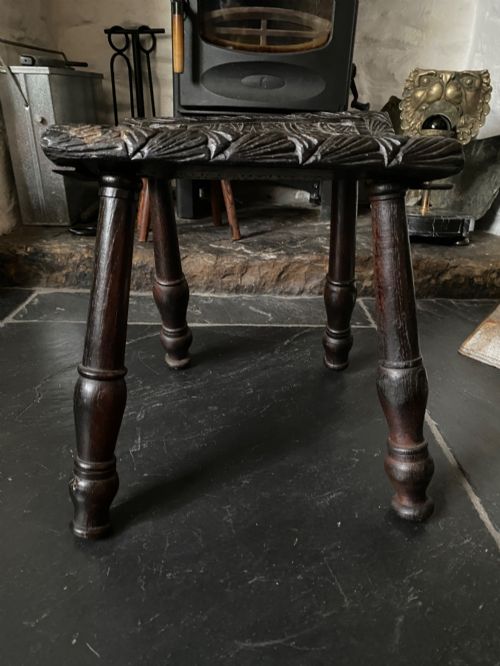
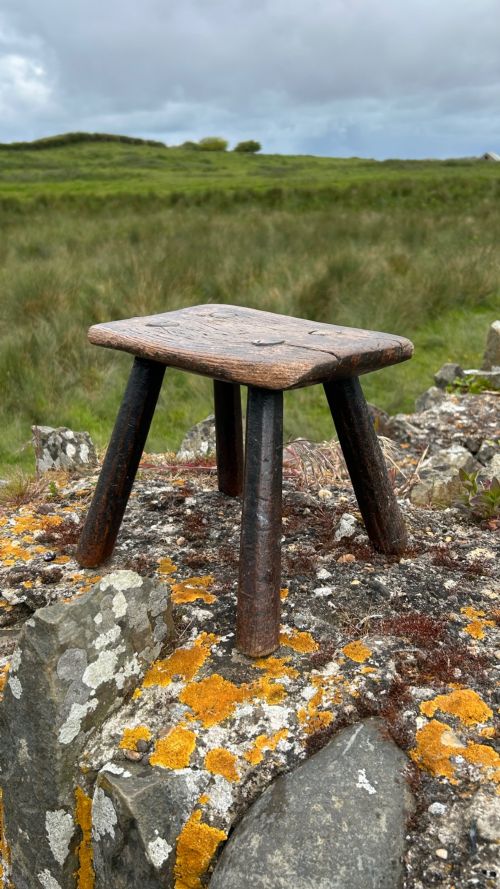
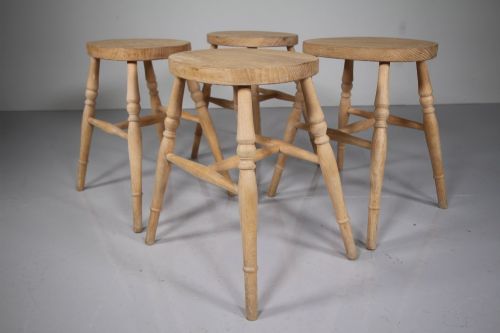
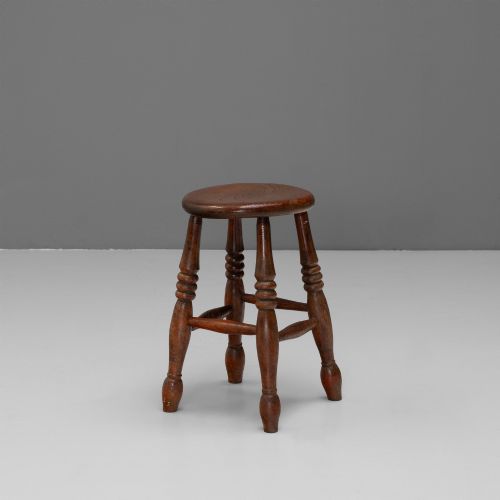
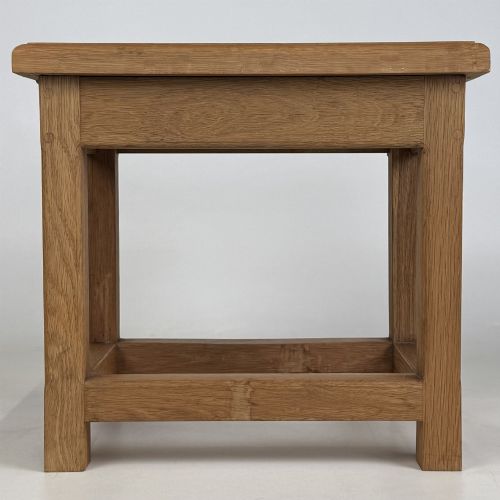
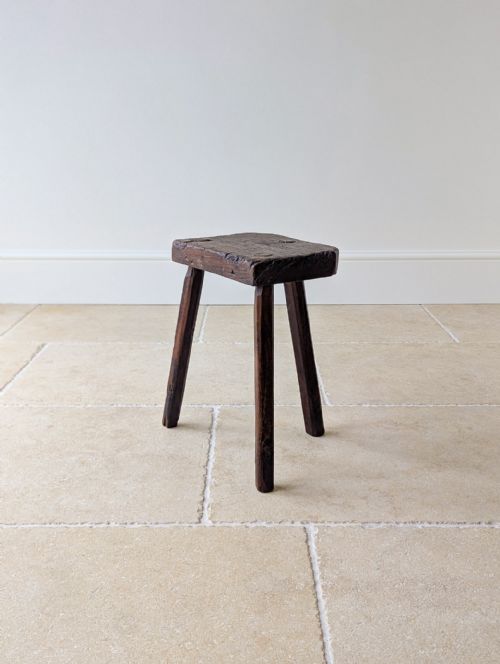
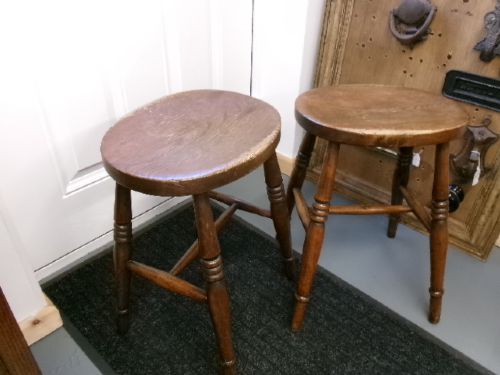
When you search for oak wood stools, you encounter a diverse array of utilitarian and decorative seating rooted in domestic, tavern, and workshop traditions. The selection ranges from early joint stools and primitive milking seats to Victorian country examples and later Edwardian dining pieces.
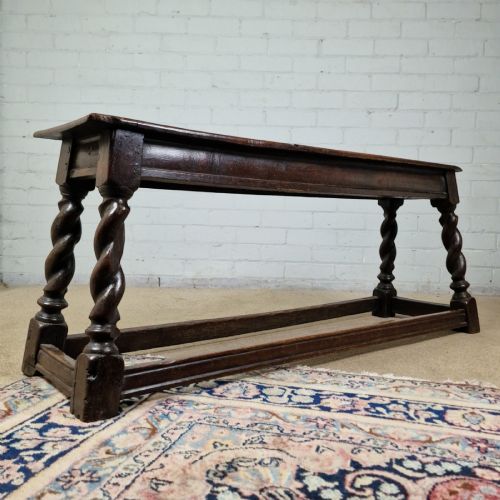
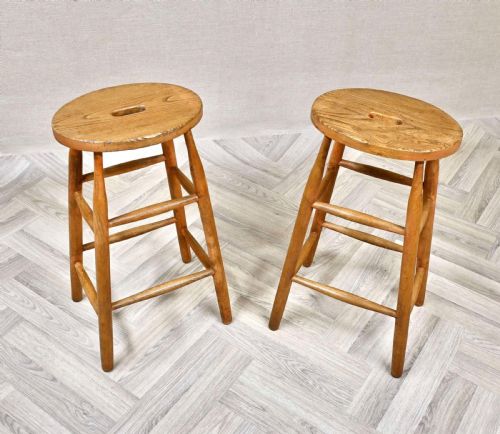
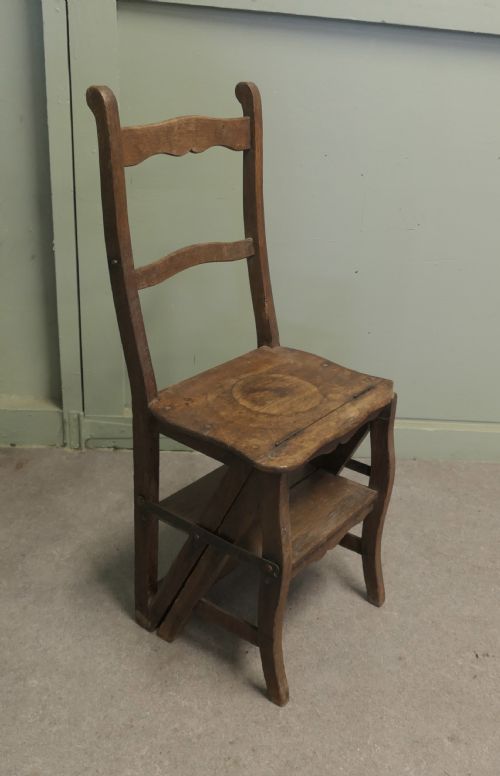
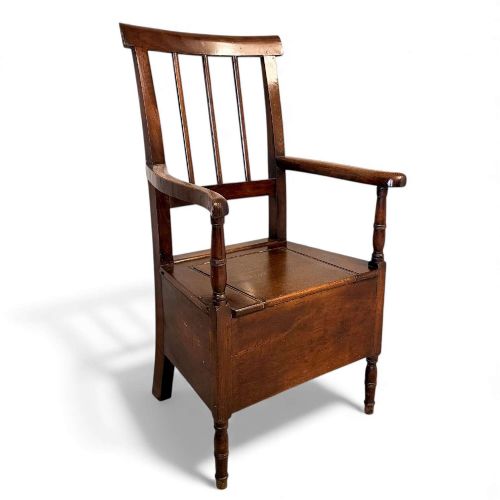
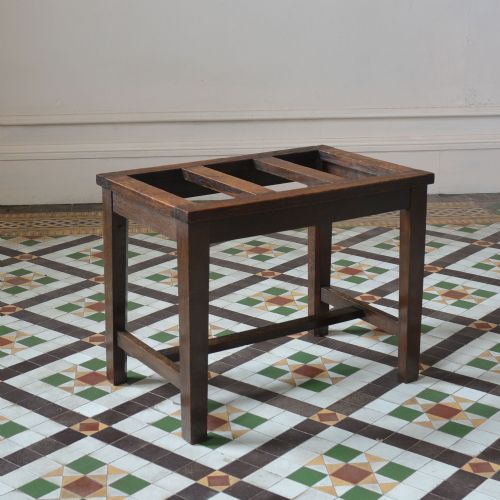
You are most likely to meet 19th-century and 1900s variations on this page, reflecting English country and rustic styles alongside formal revivals. Forms include low side pieces, long benches, bar stools, and specialised work seats shaped from timber and hardwood.
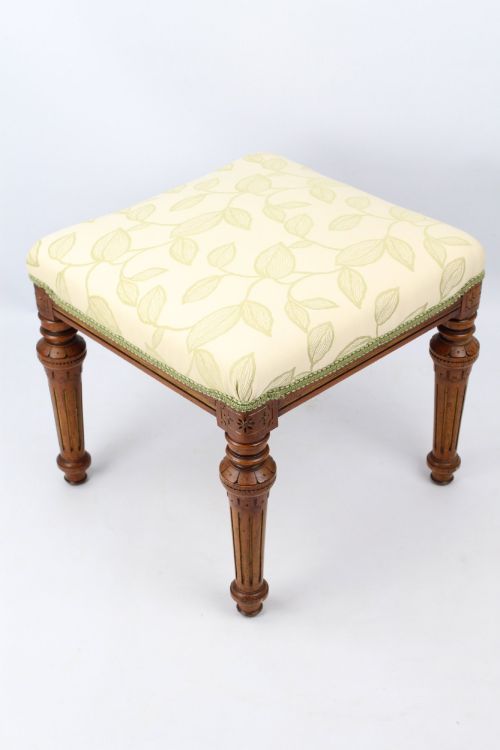
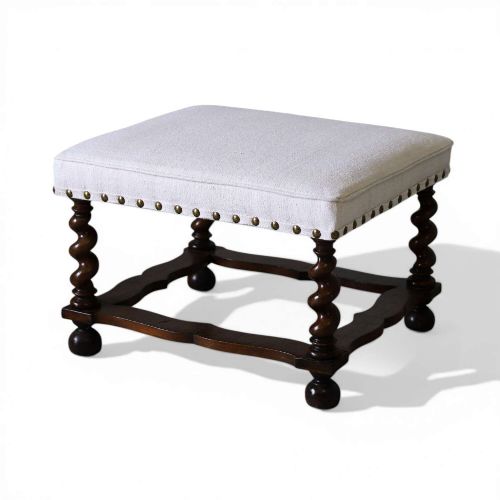
The material palette is anchored by oak, often paired with elm, ash, beech, and sycamore for seats and supports. Iron, brass, and fabric elements appear selectively across the periods, from structural hardware to upholstered dressing table tops.
Evaluating the pieces
Quality rests upon the integrity of the timber selection and the skill of the original joinery. Pieces utilising pegged construction and dense oak or elm exhibit superior structural longevity compared to simpler iterations.
Distinction also lies in the depth of character and preservation of surface patina over time. Fine carving, thoughtful turning, and intact period hardware elevate a utilitarian form into a notable example of country or revival craftsmanship.
Oak Wood Stools Retail Price Guide 2026
Typical asking prices for oak wood stools among the pieces listed under this phrase on Sellingantiques today, from the lower quarter to the upper quarter. They describe what is for sale here now, not the wider market.
Some industrious 19th-century makers repurposed pub tavern timber into surprisingly comfortable kitchen perches.
Liberty
The Oak Wood Stools Glossary
- Joint stool
- A sturdy wooden seat constructed with mortise and tenon joints pegged together, common in early domestic interiors.
- Milking stool
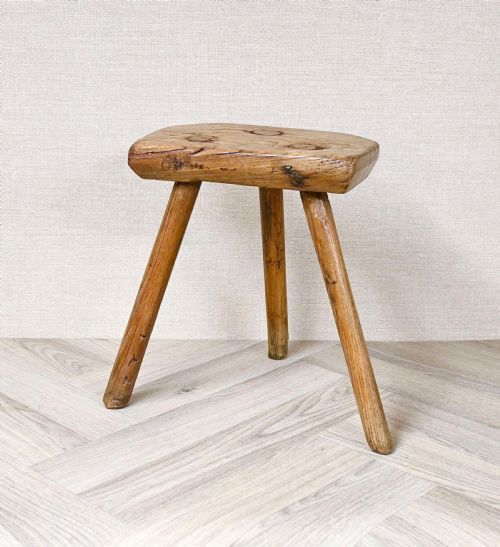
- A simple, low-slung primitive seat, typically featuring three legs splayed for stability on uneven ground.
- Barley-sugar twist
- A spiral turning technique used on table and stool legs, popular during seventeenth and revival periods.
- Dished top
- A seat surface hollowed out into a shallow concave shape for ergonomic comfort during long periods of sitting.
- Pegged construction
- A method of joining wooden components using tight wooden dowels instead of metal nails or modern adhesives.
Oak Wood Stools: Frequently Asked Questions
What is a joint stool?
A joint stool is an early form of wooden seating constructed with pegged mortise and tenon joinery rather than turned legs alone. These pieces were sturdy enough to stand upon and served multiple domestic purposes.
In period settings, they functioned as portable seats around the hearth or as small side surfaces. Their robust oak frames allowed them to survive centuries of heavy household use.
How do I date an oak stool?
Dating relies on observing construction methods, timber choice, and stylistic details such as turning or carving. Early examples often feature pegged joinery and heavy oak, while later Victorian and Edwardian pieces show machine-sawn elements or revival motifs.
Examining the wear patterns and tool marks left by the maker provides further clues to the period of origin. Comparing the form to dated comparative pieces helps narrow down the decade.
Where were tavern stools used?
Tavern and alehouse stools were designed for commercial hospitality spaces like pubs, inns, and taprooms. Their tall or dished profiles accommodated patrons gathering for drinks or meals.
These pieces were built for rigorous daily service, resulting in utilitarian designs focused on stability and ease of movement. Elm and oak were favored for their resistance to heavy wear.
Can I use antique stools daily?
Most solid oak and hardwood stools are structurally sound enough for regular seating in modern homes. Their robust joinery makes them practical additions to kitchens, hallways, or dining spaces.
Placing them away from direct heat sources and treating the wood with appropriate wax maintains their condition. They offer both functional seating and historical character to a room.