



Oak Wood Relief
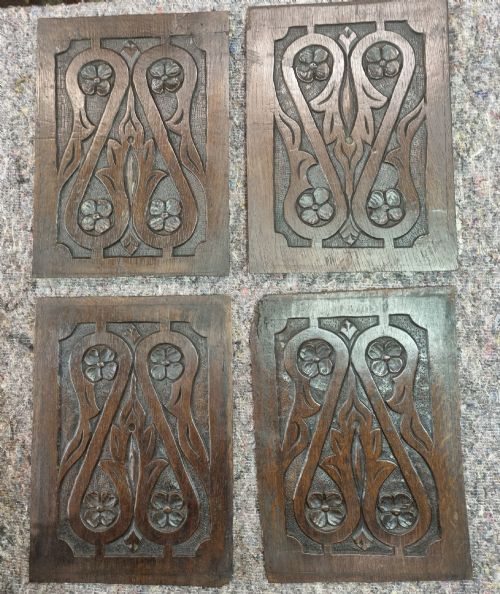
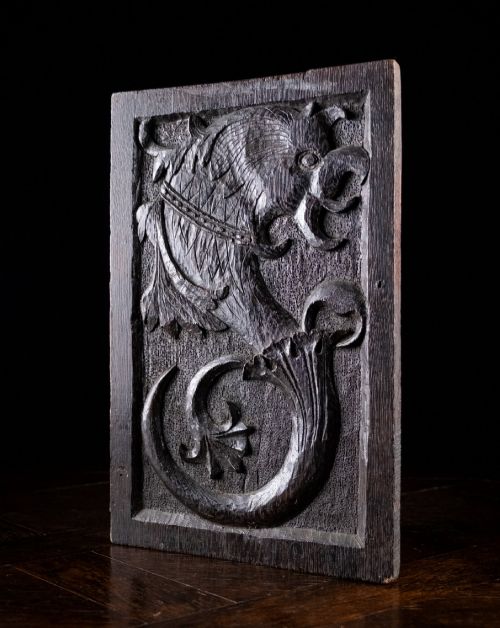
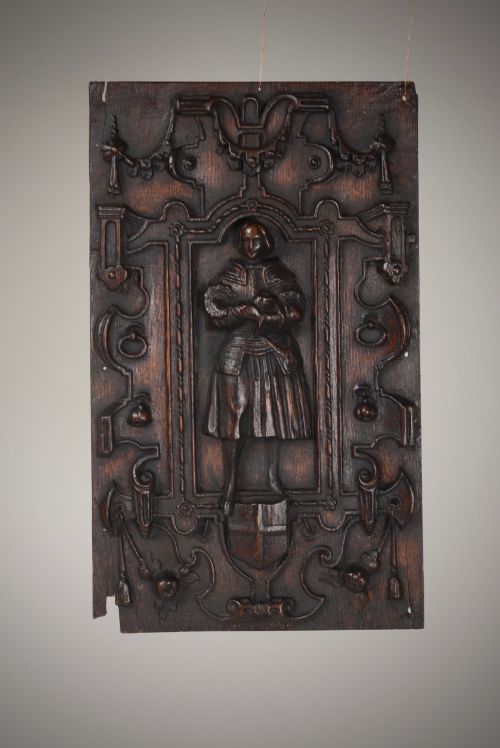
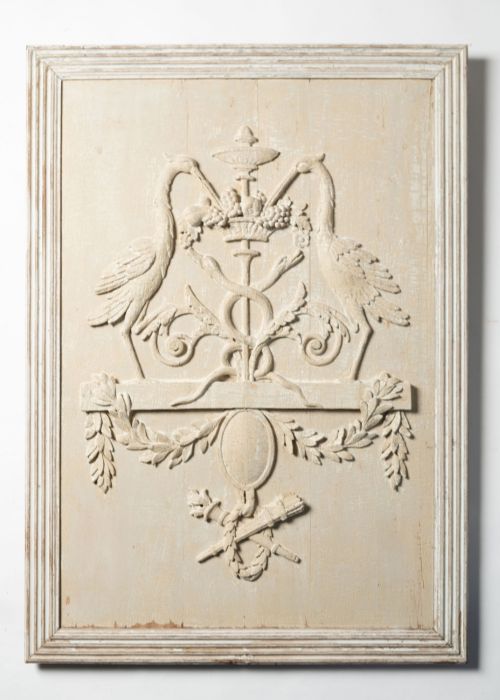
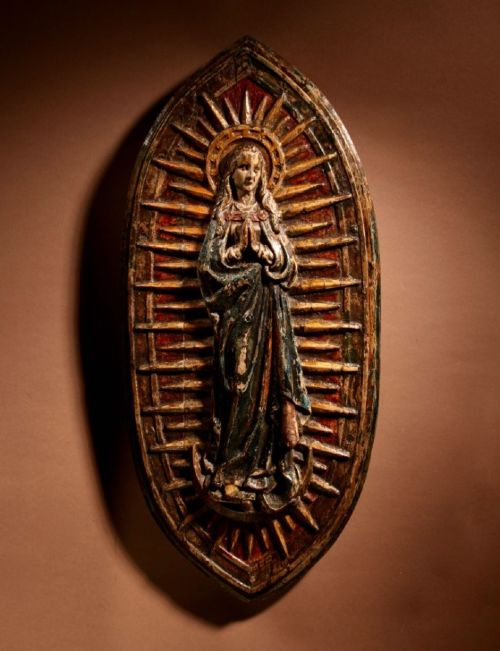
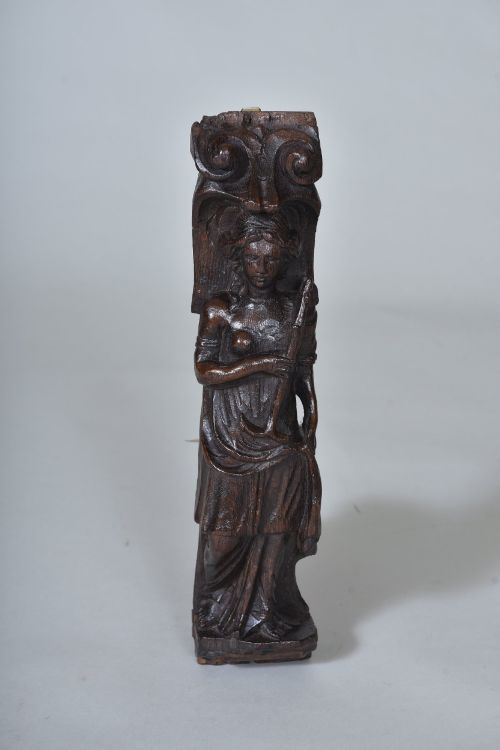
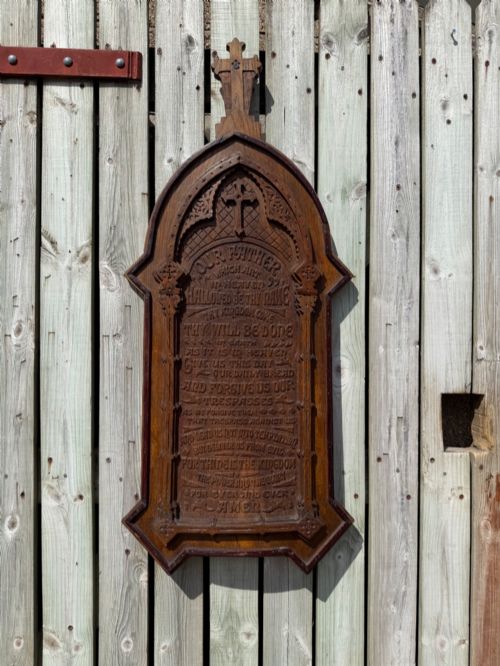
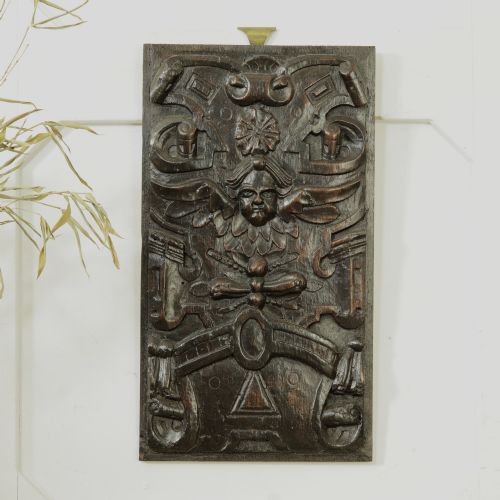
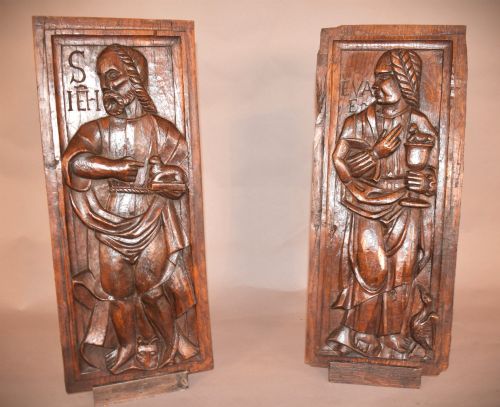
These oak wood relief carvings bring centuries of architectural salvage, wall panels and figurative sculpture straight into domestic spaces.
Oak Wood Relief
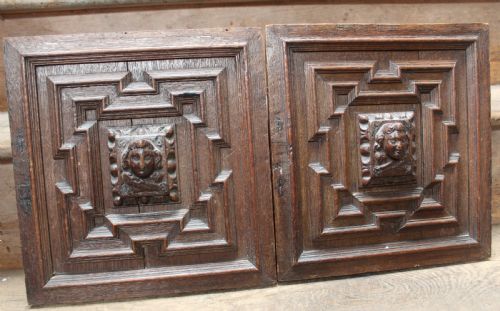
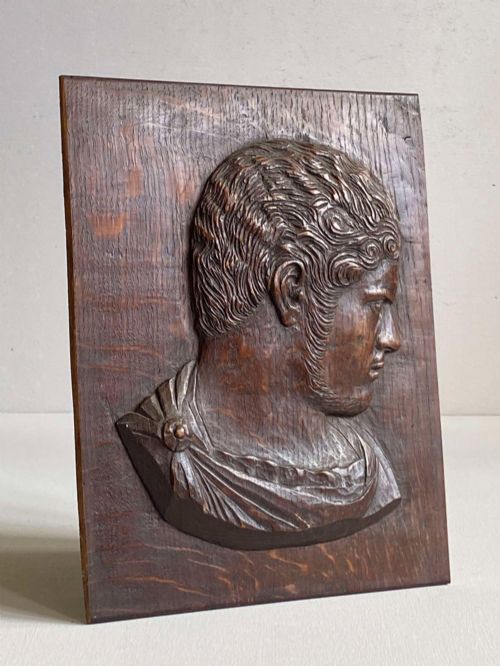
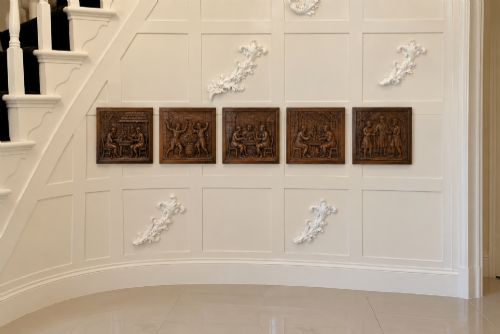
When you search for oak wood relief, you encounter architectural salvage, wall panels, and figurative wall sculptures spanning from pre-sixteenth century fragments to the twentieth century. These pieces originate from diverse European traditions, encompassing English Tudor linenfold work, Flemish tavern scenes, and Gothic Revival church furnishings.
Materials and techniques
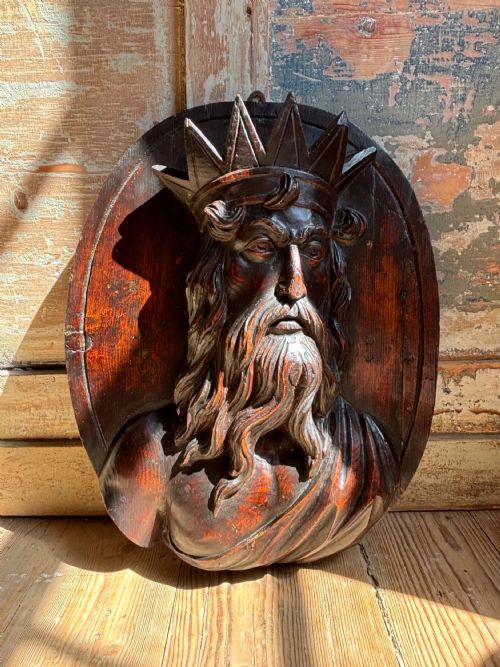
Carvers shaped these works primarily from solid timber and oak, occasionally incorporating walnut, fruitwood, and applied polychrome paint or brass elements. The ground material dictated the depth of the carving, allowing artisans to achieve high-relief figures that project boldly from the background panel.
Workshops utilised traditional hand chisels and gouges to create intricate details such as heraldic motifs, linenfold patterns, and figurative scenes. Surviving pieces sometimes display secondary tool marks, scorch marks, and apotropaic witch marks left by historical makers.
Oak Wood Relief Retail Price Guide 2026
Typical asking prices for oak wood relief among the pieces listed under this phrase on Sellingantiques today, from the lower quarter to the upper quarter. They describe what is for sale here now, not the wider market.
Object types include architectural salvage, wall plaques, settle benches, and high-relief figural panels.
The standard of carving
The integrity of the timber and the retention of original surface patination also define the worth of a piece. Examples retaining traces of early polychrome paint or untouched wax finishes command greater attention than heavily stripped or later re-carved surfaces.
Edward Pearce
The Oak Wood Relief Glossary
- Apotropaic mark
- A symbolic scratch or scorch mark carved into timber to ward off evil spirits and witches. These defensive incisions frequently appear near doorways and panels.
- Linenfold
- A style of relief carving imitating folded linen fabric, popular on Tudor and sixteenth-century panels. This geometric motif creates a textured surface across flat wooden boards.
- Pricket candle holder
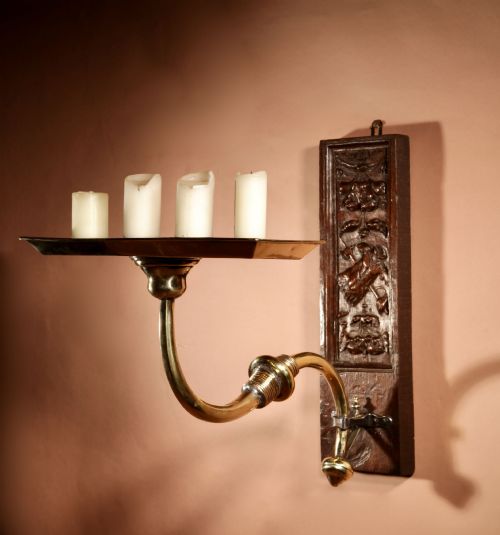
- A spike-style candlestick mount designed to impale the base of a wax candle. Brass and oak examples of this form serve as wall-hanging lighting.
- Overmantle
- A decorative panel or mirror frame positioned directly above a fireplace mantelpiece. These architectural elements often feature expansive hunting or allegorical scenes.
Oak Wood Relief: Frequently Asked Questions
How were oak relief panels originally used?
Historic oak relief carvings served primarily as architectural elements within churches, noble houses, and public halls. They functioned as wall panels, altarpiece components, overmantles, and structural furniture inserts.
Over subsequent centuries, many of these elements were salvaged from dismantled buildings and mounted independently as decorative wall art for domestic display.
How do I care for antique oak relief?
Maintain antique oak relief by keeping it away from direct heat sources, strong sunlight, and fluctuating humidity. These environmental controls prevent the timber from drying out, warping, or splitting.
Apply a minimal amount of traditional beeswax periodically to nourish the wood and preserve the natural surface sheen without building up heavy residues.
How do I identify sixteenth-century panels?
Sixteenth-century panels typically display characteristic construction methods, including pegged mortise and tenon joints and hand-riven timber surfaces. The carving styles from this era frequently include Tudor linenfold designs or early religious iconography.
Examining the reverse side of the wood reveals tool marks and ageing characteristics consistent with pre-seventeenth-century workshop practices.
What are apotropaic marks on wood?
Apotropaic marks are ritualistic scratches, concentric circles, or scorch marks applied to timber by historical occupants seeking protection against malevolent forces. Builders and homeowners placed these symbols near vulnerable points like panels and doorways.
Finding these authentic burn or incision marks adds a layer of social history to medieval and early modern woodwork.