



Oak Wood Bin
An oak wood bin brings hearthside utility and timber warmth into a room, serving as a sturdy repository for logs, coal, and peat.
Oak Wood Bin
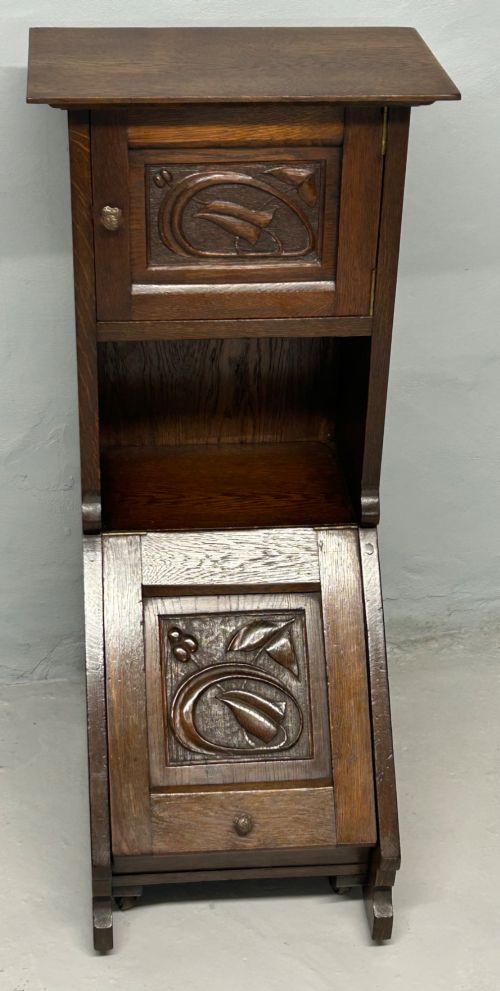
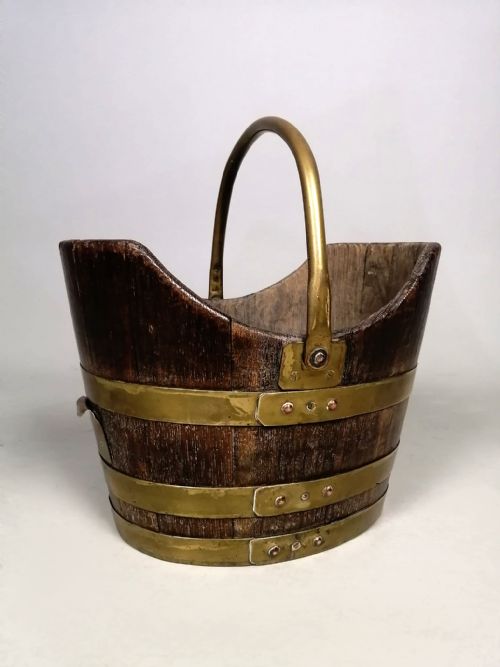
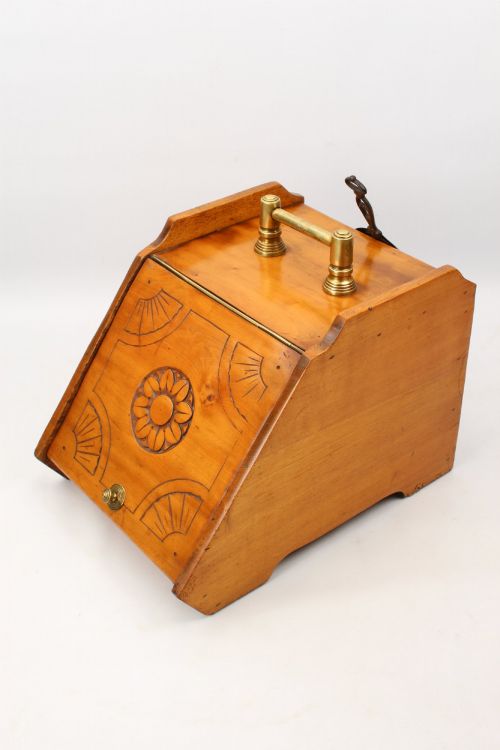
An oak wood bin is a practical fireside accessory designed to store fuel near the fireplace. These pieces range from coopered buckets and purdoniums to lidded chests and scuttles.
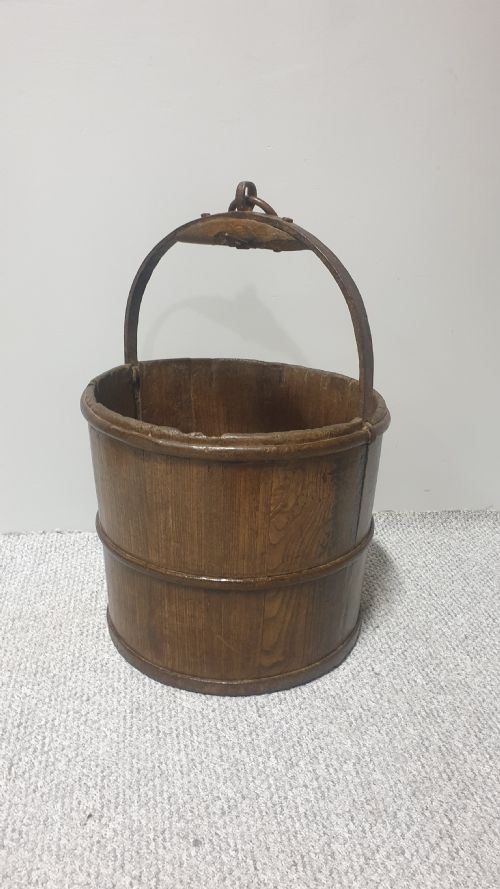
The versions most commonly met on this page span the Victorian and Edwardian eras, alongside earlier Georgian examples. They take various forms, including traditional coal cabinets, metal-banded log buckets, and rustic farmhouse bins.
Makers utilised durable hardwoods to withstand daily handling by the hearth. Many incorporate metal fittings such as brass handles, iron bands, or attached shovels to assist with fuel management.
Materials and construction methods
Construction relies heavily on solid oak, occasionally paired with fruitwood or mahogany accents, alongside internal linings or mounted hardware of brass and iron. Coopered examples utilise curved staves bound tightly with metal hoops, a technique borrowed from barrel-making to contain dry fuel securely.
Cabinet-style purdoniums and coal boxes employ traditional joinery methods, featuring panelled doors, carved fronts, and hinged lids. Metal mounts are typically secured with flat-head screws or rivets to reinforce high-stress joints used in daily hearthside service.
Oak Wood Bin Retail Price Guide 2026
Typical asking prices for oak wood bin among the pieces listed under this phrase on Sellingantiques today, from the lower quarter to the upper quarter. They describe what is for sale here now, not the wider market.
Periods represented across the inventory range from the eighteenth century through the Edwardian era.
Assessing quality and craftsmanship
Quality in an oak wood bin is determined by the selection of the timber grain and the integrity of the original hardware. Superior pieces display thoughtful proportions, robust joinery, and heavy-gauge brass or iron mountings that remain firmly fixed to the wood.
The refinement of the surface work separates standard utility items from finer examples. Carved details, neat coopered staves, and intact period shovels or liners indicate a higher grade of manufacture from workshops producing fireside furnishings.
The Oak Wood Bin Glossary
- Purdonium
- A specialised coal box or cabinet designed to hold fuel neatly by the fireplace, often featuring a sloping front door and a dedicated interior metal liner.
- Coopered
- A method of construction where tapered wooden staves are joined side by side and bound with metal hoops, similar to barrel-making.
- Scuttle
- A deep bucket or container with a handle and sometimes a spout, traditionally used for carrying coal or peat to the grate.
- Hearthside
- The brick or stone area immediately in front of a fireplace, where fireside storage accessories sit.
- Fruitwood
- A dense, light-coloured timber sometimes used alongside oak for banding or decorative inlay on storage pieces.
Oak Wood Bin: Frequently Asked Questions
What is an oak wood bin used for?
These bins are designed to hold solid fuel such as logs, coal, or peat close to the fireplace for convenient burning.
They keep hearth areas tidy by containing loose debris and bark while offering a decorative storage container.
How do I clean an antique oak bin?
Dust the exterior regularly with a dry cloth and apply a traditional beeswax to nourish the timber grain.
Avoid using harsh chemical sprays or excess water, particularly on metal fittings and older wood surfaces.
Are these bins suitable for modern homes?
Yes, their traditional proportions and robust timber construction fit comfortably beside contemporary wood-burning stoves and open hearths.
They provide functional storage that conceals clutter while adding historical character to a living space.
How do I date an oak wood bin?
Dating relies on observing construction techniques, hardware styles, and design motifs associated with periods like the Georgian or Victorian eras.
Hand-cut joinery, type of metal fastenings, and overall wear patterns offer clear clues to the age of the piece.