




Oak Tree Art
These oak tree art pieces bring heavy timber grain and period utility straight into a hallway, offering solid construction alongside distinct historical character.
Oak Tree Art
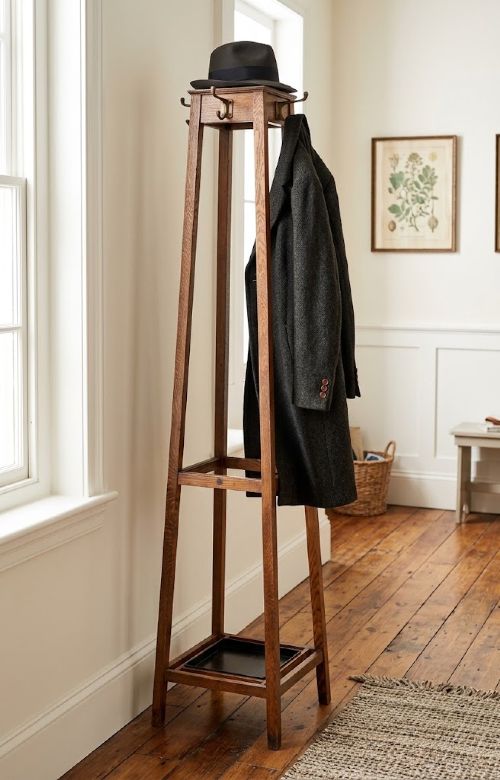
When you search for oak tree art, you encounter a selection of heavy wooden hall furniture alongside period paintings and rustic seating. The items bridge the gap between practical domestic storage and decorative arts, reflecting functional design from the nineteenth and early twentieth centuries.
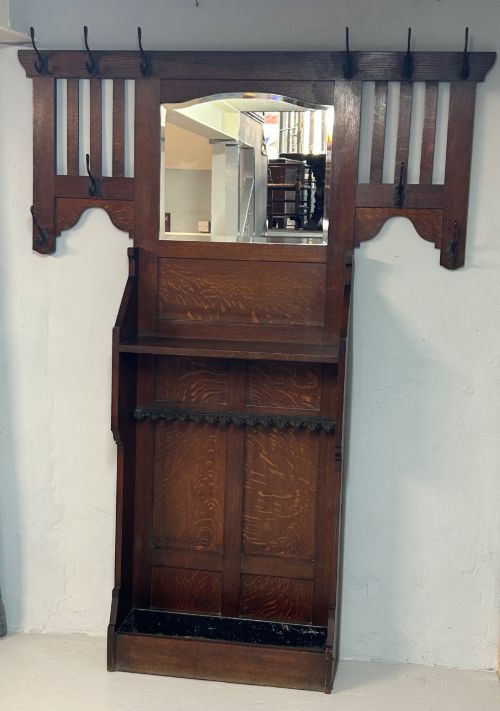
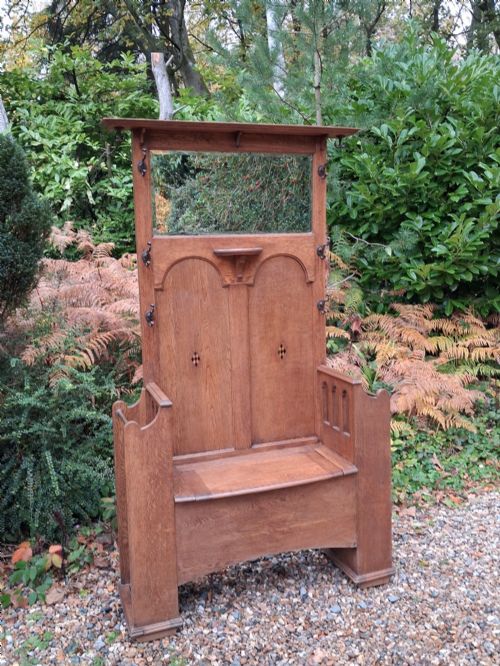
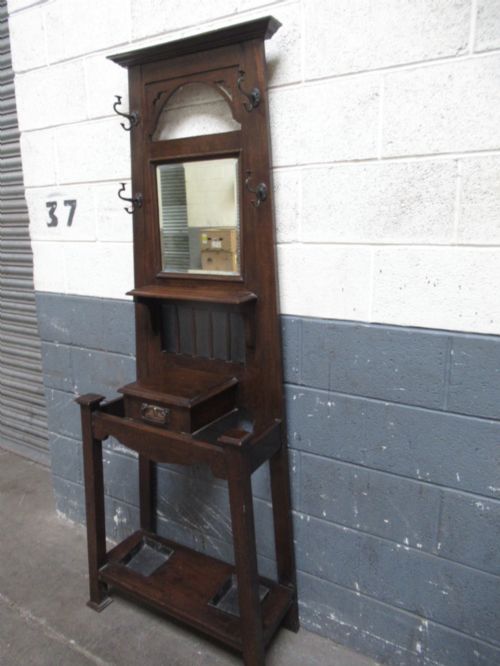
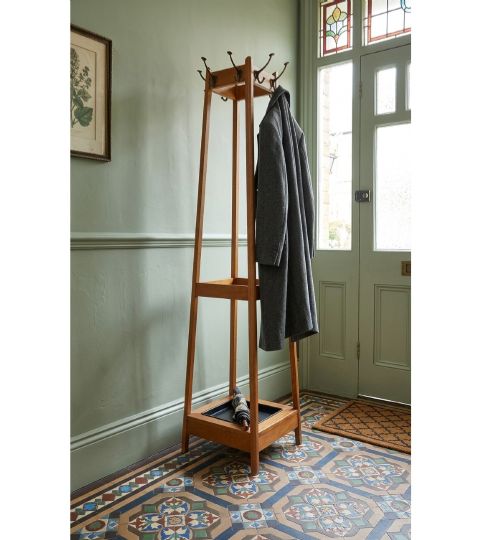
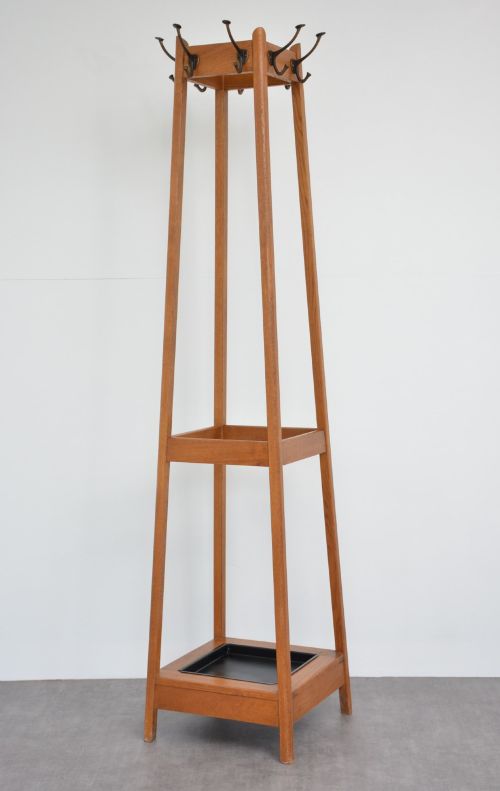
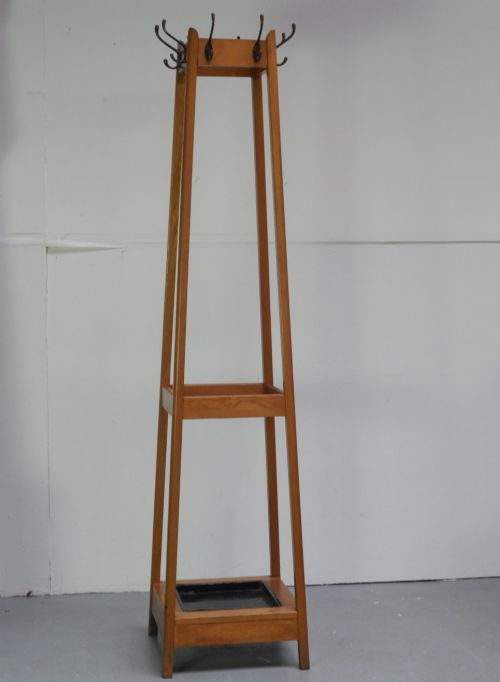
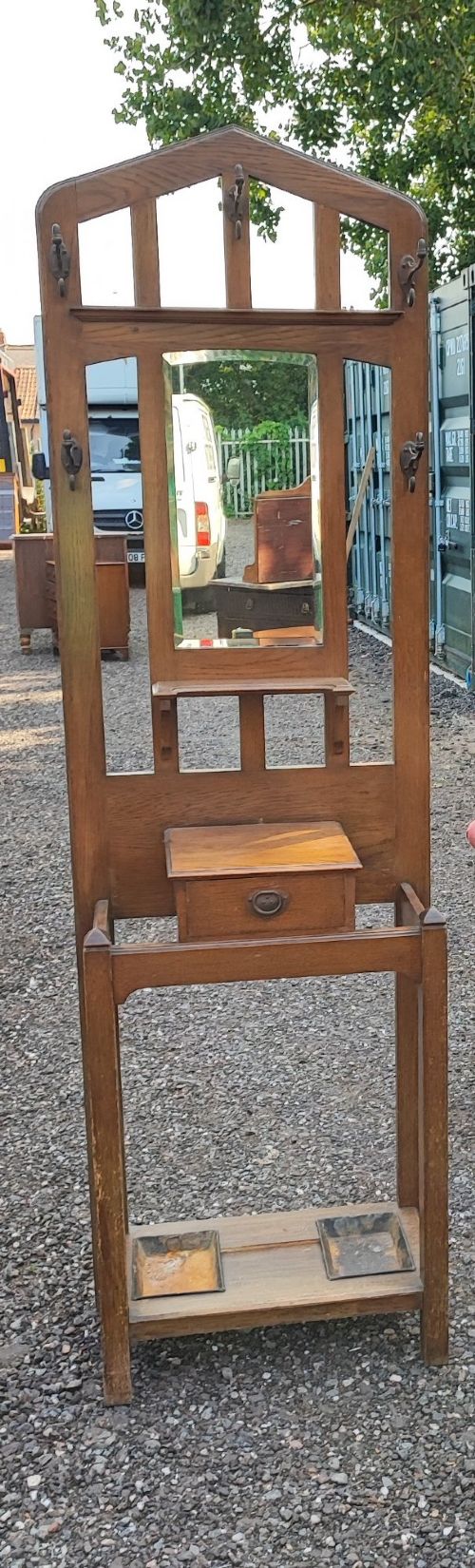
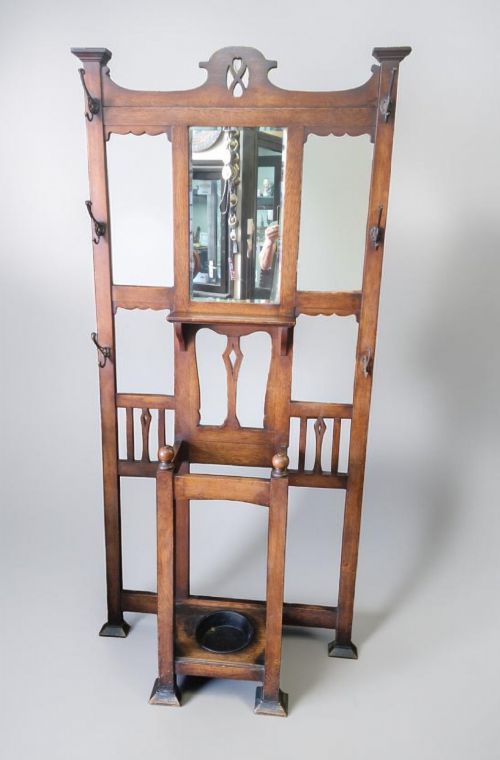
The most frequent items on this page are oak hallstands and coat stands featuring integrated umbrella holders and drip trays. These hall pieces typically date from the Victorian period through to the nineteen-thirties, showcasing regional craftsmanship and utilitarian forms.
Alongside furniture, the selection includes paintings and works on paper depicting rural landscapes and natural forms. These artworks complement the wooden stands by sharing a common nineteenth-century or early twentieth-century aesthetic rooted in naturalism.
How they were made
The furniture pieces utilise solid oak, often selected for its visible grain and structural strength. Workshops combined timber with metal elements such as brass or cast iron for hooks, rails, and drip trays.
Paintings and works on paper employ traditional media including watercolour, gouache, and oil on canvas. These works rely on pigment and canvas applied by hand to capture landscapes and pastoral scenes.
Oak Tree Art Retail Price Guide 2026
Typical asking prices for oak tree art among the pieces listed under this phrase on Sellingantiques today, from the lower quarter to the upper quarter. They describe what is for sale here now, not the wider market.
Listings span from the Victorian period through to nineteen fifty, dominated by solid oak hall furniture and nineteenth-century landscape paintings.
What varies in quality
The standard of a piece rests primarily on the integrity of the timber and the honesty of its construction. Better examples display careful selection of oak grain and robust joinery that survives daily hallway use.
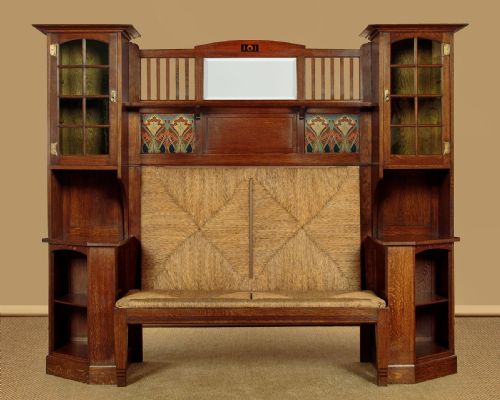
Stylistic ambition also divides the range, distinguishing simple vernacular utility from works influenced by the Arts and Crafts movement or Art Nouveau design. Pieces showing thoughtful proportion and integrated metalwork sit at the upper end of the selection.
John Linnell
The Oak Tree Art Glossary
- Arts and Crafts
- A design movement prioritising traditional craftsmanship, simple forms, and visible construction methods. It heavily influences the oak furniture found in this category.
- Art Nouveau
- A style characterised by flowing, organic lines and natural motifs. This aesthetic appears frequently in the mirror frames and decorative carvings of period hallstands.
- Hallstand
- A piece of hallway furniture combining coat hooks, a mirror, umbrella storage, and often a small bench or glove box. They provide multi-functional storage for entryways.
- Watercolour
- A painting method where fine pigment is suspended in a water-based solution. It yields translucent colour washes on paper surfaces.
- Vernacular
- Architecture and objects built by local craftspeople using traditional methods and regional materials. These items prioritise everyday function over high-style academic design.
Oak Tree Art: Frequently Asked Questions
What is an oak hallstand used for?
These pieces serve as multi-functional storage units designed for entryways and hallways. They hold coats, hats, and umbrellas while offering a central mirror for last-minute checks.
The integrated drip trays protect wooden floors from wet umbrellas, making them practical additions to busy family homes.
How do I date an oak hallstand?
Dating relies on observing the decorative vocabulary and construction techniques visible in the timber and metal hardware. Victorian pieces often display heavier mouldings, whilst Arts and Crafts examples favour simpler, linear forms.
Art Nouveau items introduce whiplash curves and stylised floral motifs in their brass or carved wooden details.
Are these pieces made of solid oak?
The majority of the furniture listed utilises solid oak timber throughout the main framework and backboards. This robust material choice ensures longevity and heavy weight capacity for winter coats.
Some pieces combine the solid timber with cast iron hooks and brass drip trays to handle everyday wear.
How do I care for antique oak furniture?
Maintain the timber by keeping it away from direct heat sources and sudden temperature shifts that can dry out the wood. Regular dusting with a dry cloth preserves the finish without requiring heavy polishes.
Apply a traditional beeswax occasionally to nourish the grain and maintain a natural sheen.