

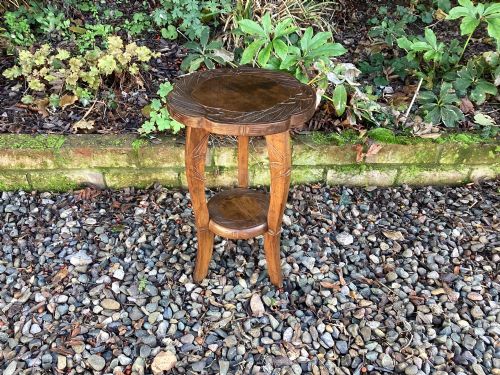
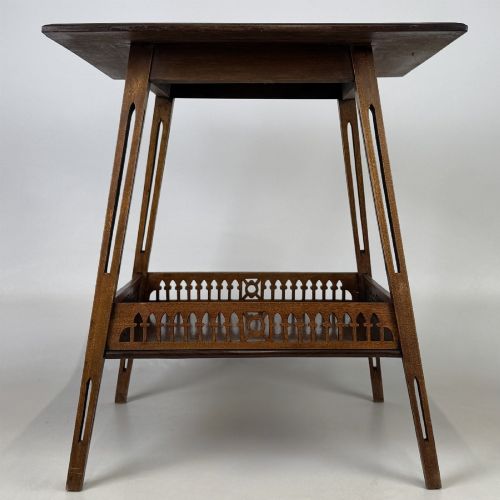
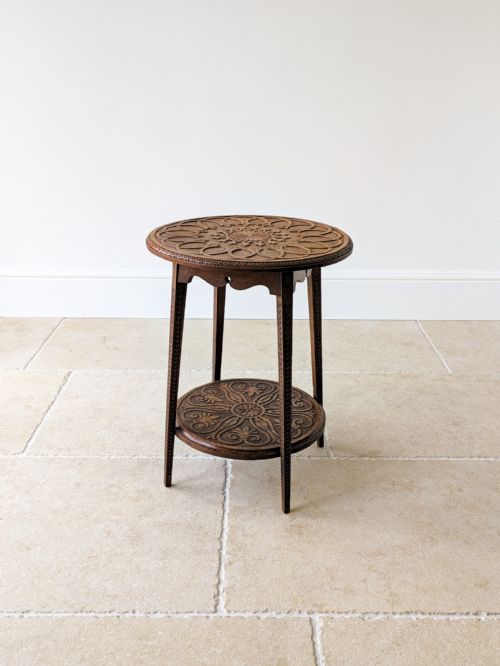

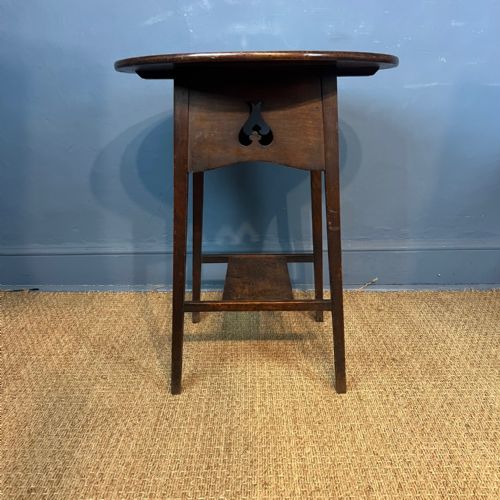
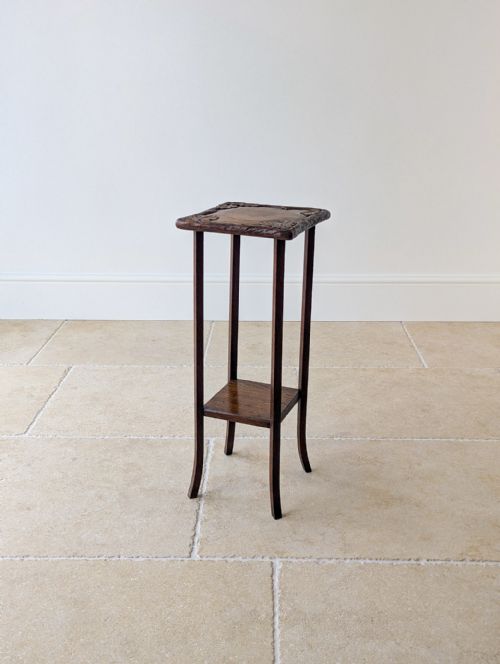
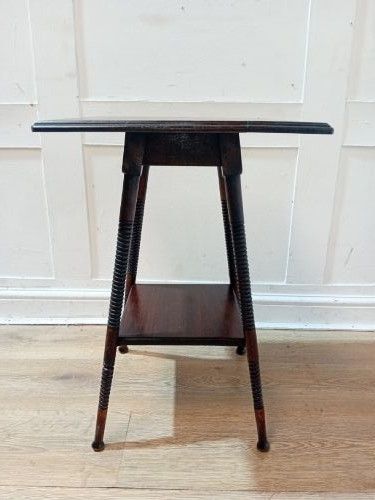
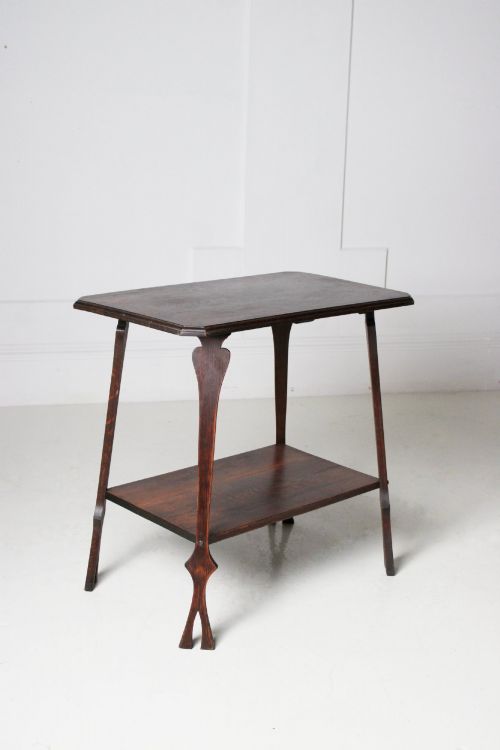
Oak Tiered Plant Stand
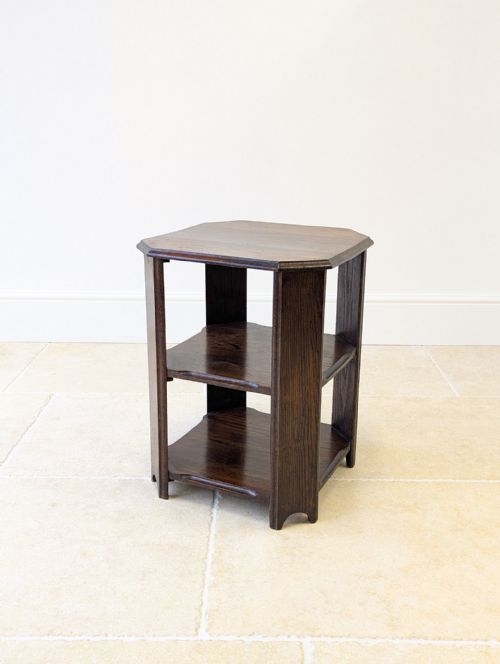
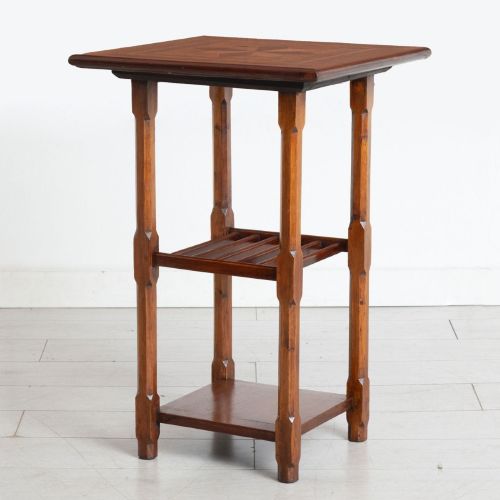
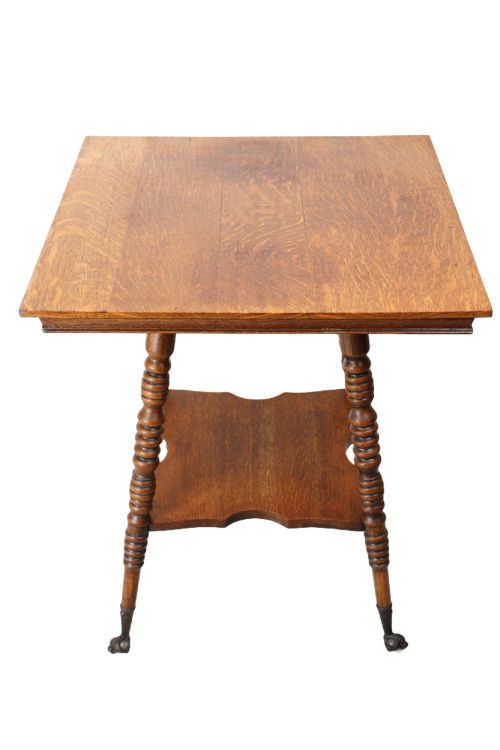
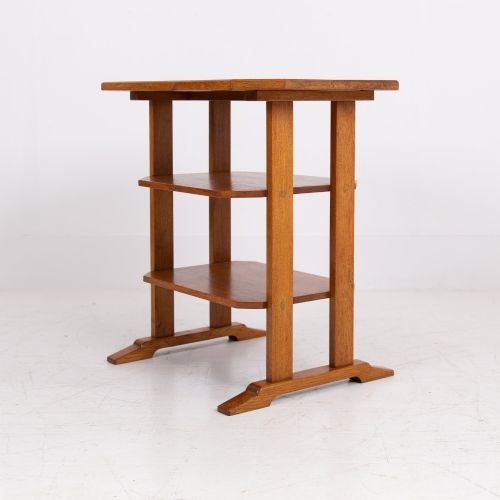
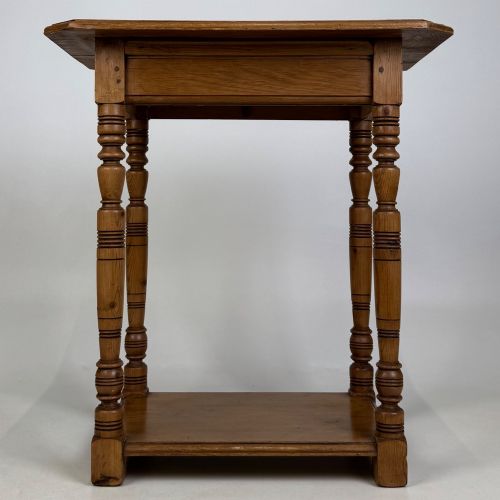
An oak tiered plant stand brings vertical timber architecture into domestic spaces, holding greenery or lamps with understated British craft.
Oak Tiered Plant Stand
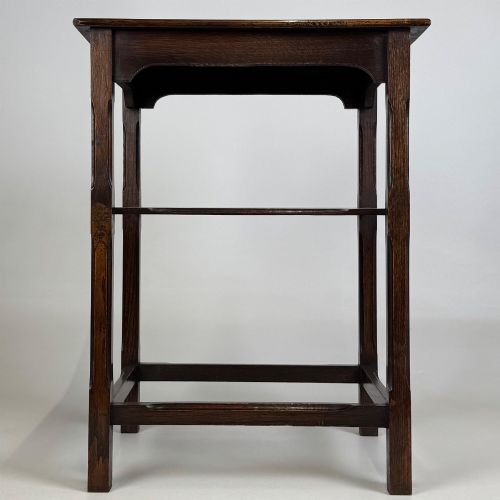
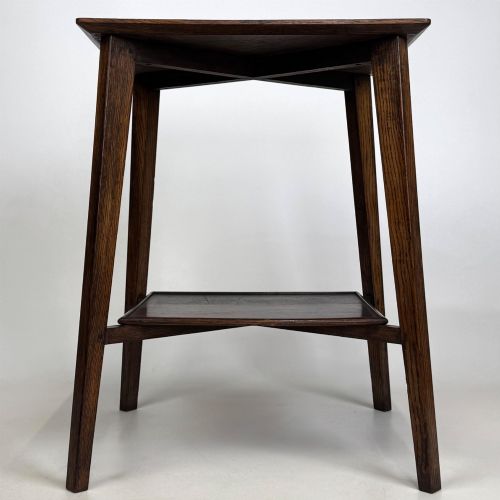
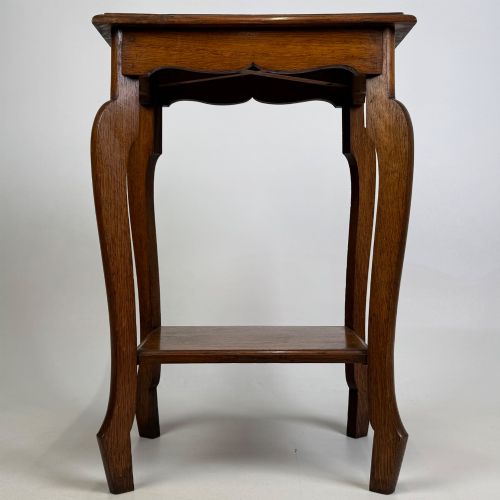
When you search for an oak tiered plant stand, you encounter multilevel surfaces designed to elevate flora and decorative objects within a room. These pieces range from compact Edwardian side tables to substantial Arts and Crafts tiers, reflecting the domestic habits of the late nineteenth and early twentieth centuries.
The selections on this page draw predominantly from the Victorian, Edwardian, and interwar periods. You will frequently find multi-tiered occasional tables, octagonal side tables, and specialised plant pedestals originating from British workshops.
Makers of the period utilised durable local hardwoods to construct sturdy frames with multiple platforms. Surviving examples demonstrate how these stands served functional roles in hallways, drawing rooms, and garden rooms alike.
Materials and Technique
Makers constructed these stands primarily using solid oak, dark oak, and selected hardwood timbers. Carpenters shaped these materials with hand tools, employing traditional joinery to support stacked tiers without excessive hardware.
Decoration often involved carved details, inlaid timber, and occasional contrasting elements such as ebonised wood or decorative tiles. Surface finishes relied on traditional wax and polish to protect the timber while accentuating the natural grain.
Oak Tiered Plant Stand Retail Price Guide 2026
Typical asking prices for oak tiered plant stand among the pieces listed under this phrase on Sellingantiques today, from the lower quarter to the upper quarter. They describe what is for sale here now, not the wider market.
Some Edwardian plant stands still harbour faint ring marks from long-departed terracotta fern pots.
Quality and Construction
Superior examples distinguish themselves through thoughtful proportion and robust structural integrity across multiple tiers. The best pieces integrate carved decoration or inlaid elements harmoniously into the overall architectural frame rather than applying them as afterthoughts.
Lesser items may show simplified construction with thinner timber boards and minimal attention to finish. Quality ultimately rests on the stability of the joints and the selection of well-figured oak that has aged gracefully over the decades.
Liberty and Co·William Birch
The Oak Tiered Plant Stand Glossary
- Tiered
- Having successive stages or levels placed one above another. This multi-level construction maximises display space within a compact footprint.
- Etagere
- A piece of furniture consisting of a set of open shelves for displaying small articles. These pieces often feature delicate upright supports and multiple display platforms.
- Arts and Crafts
- A design movement advocating traditional craftsmanship using simple forms. Pieces from this tradition often emphasise honest construction and visible timber grain.
- Pedestal
- An architectural support or base for a statue, vase, or plant. In furniture, it refers to a standalone column structure holding a single display surface at the top.
- Octagonal
- Having eight sides and eight angles. This geometric plan appears frequently in the tabletops and tiers of period side tables.
Oak Tiered Plant Stand: Frequently Asked Questions
How were tiered stands used originally?
Victorians and Edwardians used these multilevel stands primarily to display potted ferns, palms, and decorative ceramics inside the home. The stacked platforms allowed households to introduce greenery and ornaments into rooms without cluttering floor space.
Over time, these versatile pieces also functioned as lamp tables, smoking stands, or convenient side surfaces in hallways and drawing rooms.
How do I date an oak plant stand?
Dating relies on examining construction methods, timber selection, and stylistic markers such as carving or inlay. Pieces from the Victorian era often display heavier proportions and dense carving, whereas Edwardian and Arts and Crafts examples typically favour lighter frames and simpler lines.
Hardware, joint types, and surface patination further help narrow down the decade of production between the late nineteenth century and the interwar period.
Are these stands suitable for actual plants?
These stands were built to hold planters and jardinières, making them well-suited for contemporary houseplants. Historic timber surfaces benefit from protective saucers to prevent water damage from regular plant maintenance.
Placing them away from direct heat sources helps preserve the antique oak and maintains the original polished finish.