

Oak Stick Stand Rack
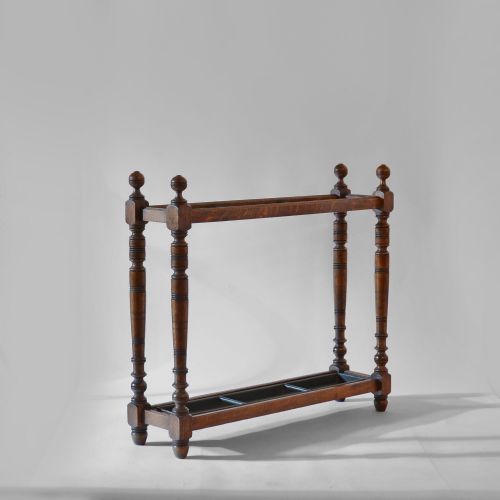
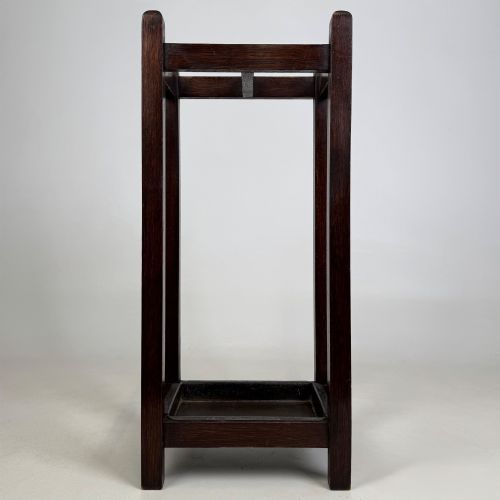
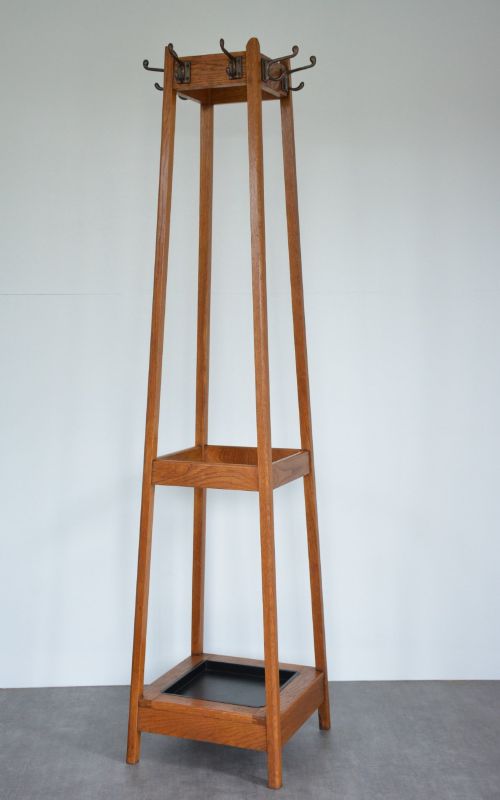
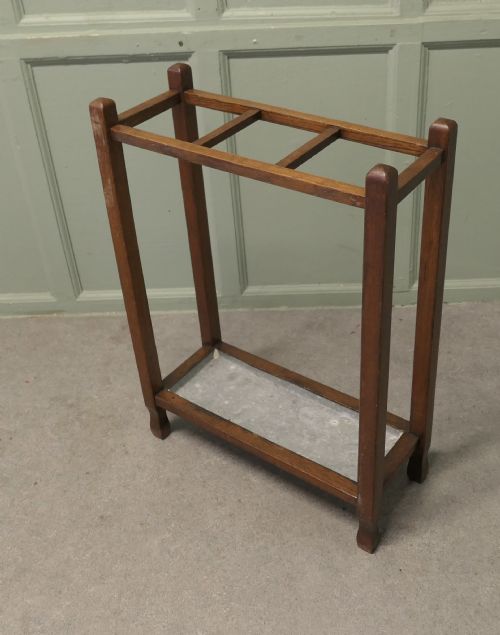
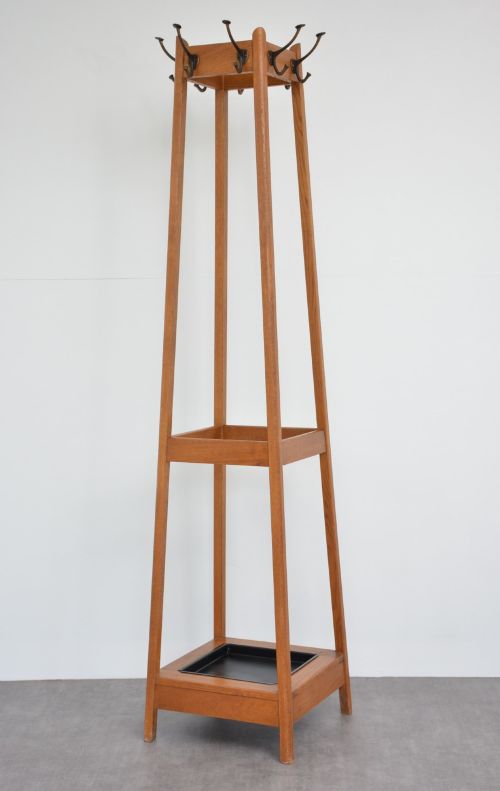
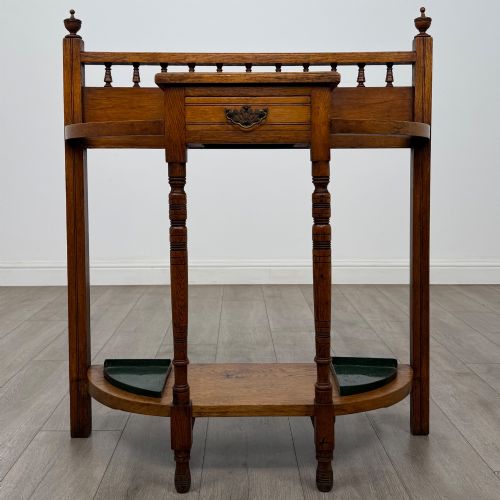
An oak stick stand rack organises hallway rain gear and walking canes, bringing sturdy utility and period character to an entrance.
Oak Stick Stand Rack
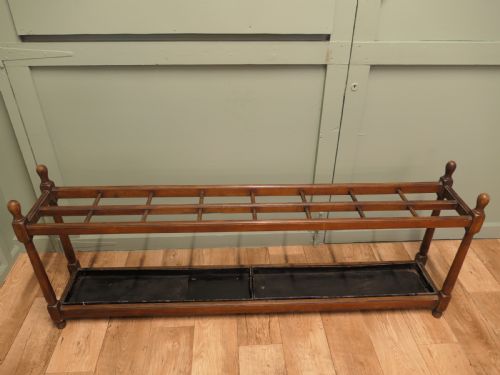
An oak stick stand rack serves as a practical piece of entrance hall furniture, designed to hold wet umbrellas and walking canes upright. These items appear across the nineteenth century, the Victorian era and the Edwardian period, running through to the early twentieth century.
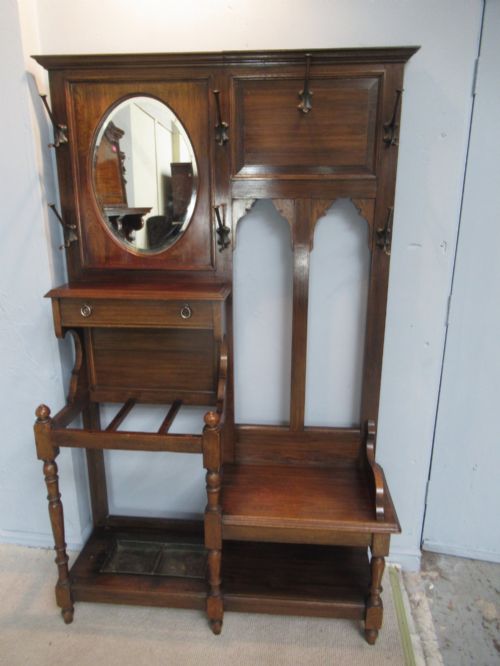
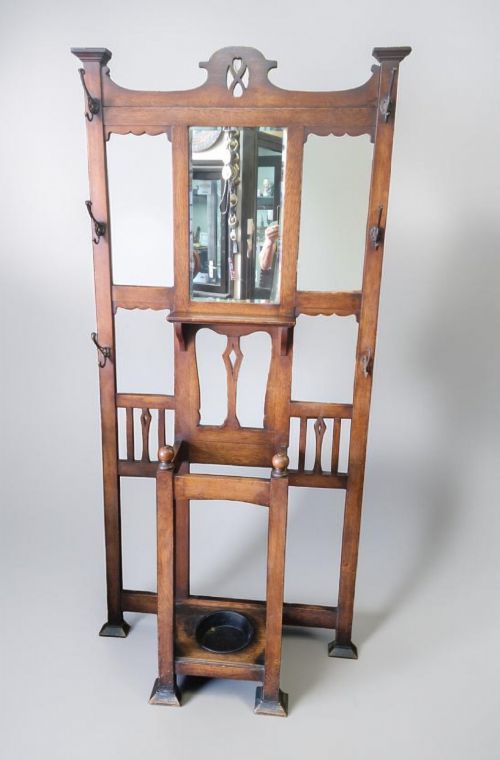
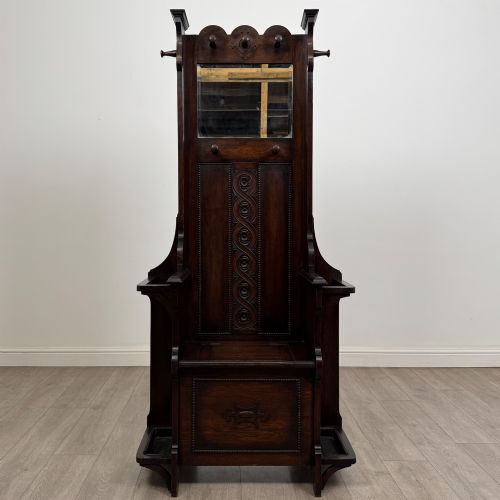
The versions met most often on this page take the form of dedicated umbrella and stick stands or larger hall stands that combine coat hooks, hat storage, and umbrella holders. Shoppers encounter simple coopered barrels alongside elaborate carved designs suited to country houses.
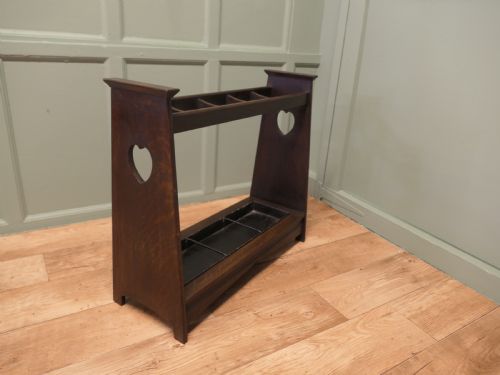
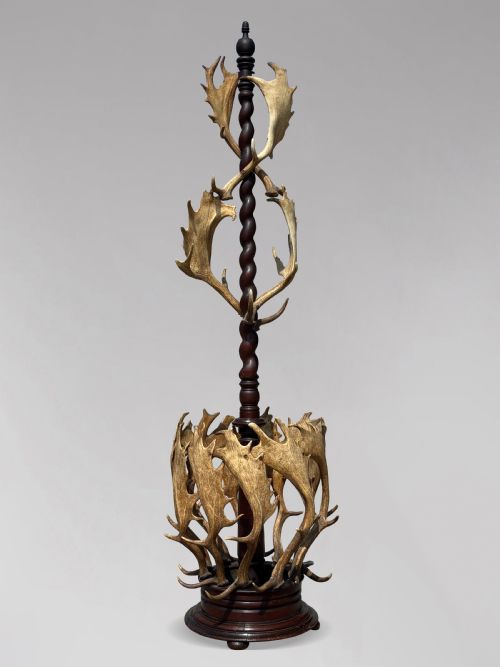
Design influences vary from austere Gothic Revival and functional Arts and Crafts pieces to ornate Black Forest carvings and Aesthetic Movement items. This variety reflects changing domestic requirements in British hallways from eighteen-eighty onwards.
How They Were Made
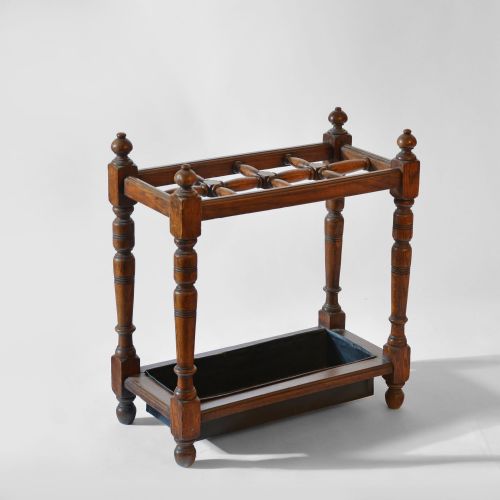
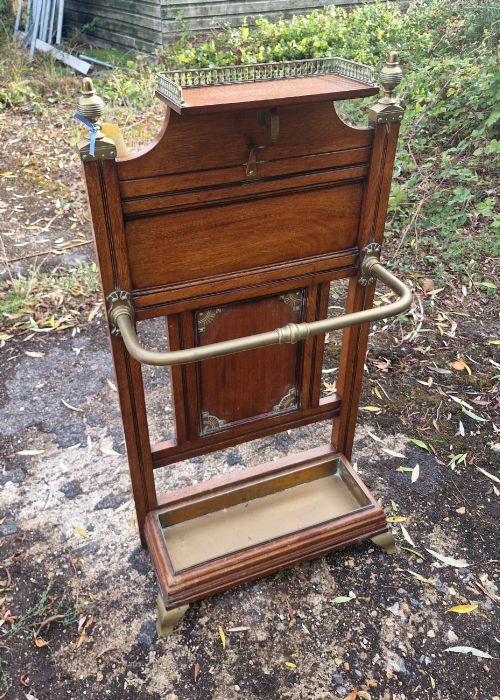
Carpenters utilised solid oak, often quarter-sawn to reveal rich medullary rays, combined with structural elements of brass, iron, zinc and cast metal. Metal components served primarily as drip trays or retaining rings to catch moisture from wet umbrellas.
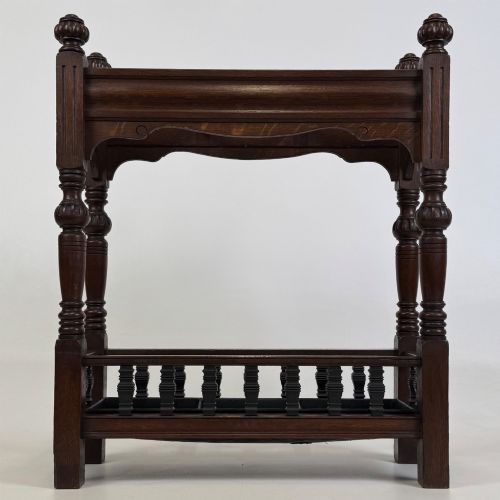
Construction techniques include traditional joinery, coopered stave assembly for barrel forms, and hand-carved detailing. Carved panels frequently display botanical motifs, geometric patterns or mythological faces such as the Green Man.
Several pieces incorporate cow horn and carved bears watching over your damp umbrellas.
What Varies in Quality
Quality separates simple utility items from pieces designed for substantial country houses or metropolitan exhibition spaces. Superior examples demonstrate ambitious architectural detailing, deep relief carving and integrated metalwork of heavier gauge.
The integrity of the timber, the complexity of the internal dividers, and the presence of original cast metal drip trays distinguish better pieces. Finer items retain original surfaces that show decades of polished character rather than stripped grain.
J Parker of Woodstock·GW Evans London·Heals of London·Liberty Design
The Oak Stick Stand Rack Glossary
- Coopered
- Construction method utilising vertical wooden staves bound with metal hoops, commonly seen in barrel-shaped umbrella stands. This technique derives from traditional barrel-making.
- Drip tray
- A removable metal basin placed at the base of a rack to catch water from wet umbrellas. These trays are frequently cast in iron or pressed from zinc and brass.
- Arts and Crafts
- A design movement prioritising traditional craftsmanship and honest materials over mass production. Pieces from this style often feature exposed joinery and minimal ornamentation.
- Hall stand
- A larger piece of entrance furniture combining hat hooks, coat pegs, a mirror, and a stick stand base. These items dominated Victorian and Edwardian hallways.
- Demi-lune
- A half-moon shape used for furniture designed to sit flat against a hallway wall. This profile maximises floor space in narrow entrance passages.
Oak Stick Stand Rack: Frequently Asked Questions
Where should an oak stick stand go?
These pieces belong in an entrance hall, porch or boot room where wet outerwear and walking sticks accumulate upon entry.
Position the rack near the main door on a hard surface to manage moisture from rain gear effectively.
How do I protect the oak from moisture?
Ensure the metal or zinc drip tray remains inside the base to catch standing water from damp umbrellas before it reaches the timber.
Empty and dry the tray regularly and wipe down wooden surfaces with a suitable wax to maintain the finish.
What is the difference between a stand and a rack?
Stands typically rest on the floor as freestanding units with vertical divisions or rings for individual sticks and umbrellas.
Racks often form part of a larger hall furniture combination that includes hooks for hats and coats alongside storage for canes.
How do I date an oak stick stand?
Examine the hardware, construction methods, and stylistic cues such as Arts and Crafts simplicity or Victorian carving depth. The presence of registration marks or maker stamps can also narrow down the period of manufacture.