






Oak Retail Counter
An oak retail counter brings authentic commercial character into a home, offering sturdy timber surfaces and glazed display spaces.
Oak Retail Counter
An oak retail counter serves as a substantial functional fixture rooted in commercial history, encompassing shop counters, display cabinets, and haberdashery units. Buyers searching for an oak retail counter will encounter pieces originating primarily from the Victorian and Edwardian eras, alongside commercial designs from the 1920s and 1930s.
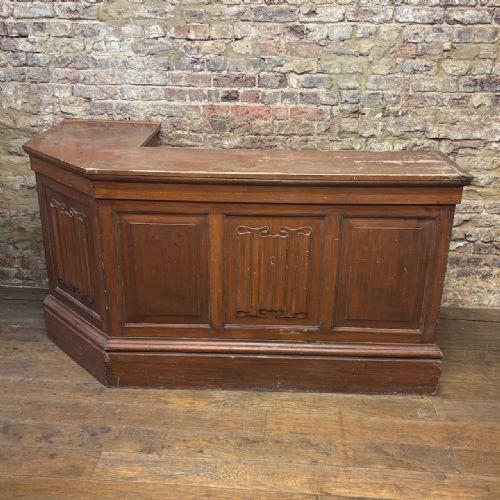
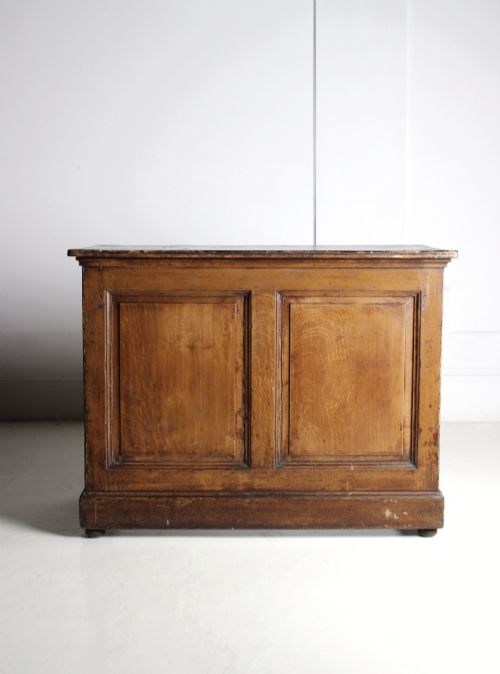
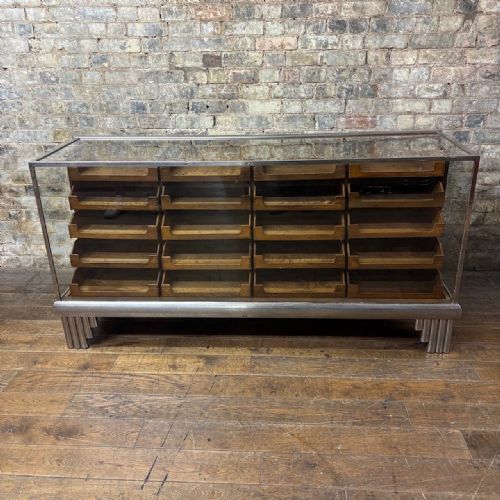
The versions most frequently met on this page combine solid oak construction with glass panels and brass or chrome hardware. These range from large shop display counters and panelled French counters to compact countertop display cabinets.
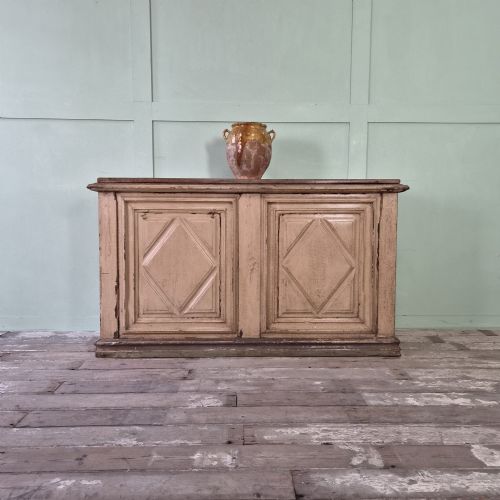
Examples often reflect distinct commercial purposes, including haberdashery storage, tailors shop display tables, and mechanical dispensing cabinets. Makers such as F. Sage & Co and Dudley & Co appear among these functional forms, alongside French provincial styles and painted pine alternatives finished to resemble oak.
How they were made
Makers constructed these counters using solid oak timbers, often paired with secondary woods like pine and mahogany in internal or structural areas. Glass forms a central element for display surfaces and cabinet panels, allowing goods to be viewed securely.
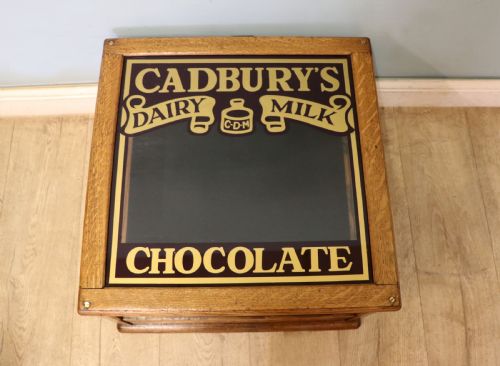
Metal components in brass, bronze, and chrome provide functional hardware, hinges, and decorative trim, particularly on 1920s and 1930s commercial pieces. Surface finishes include natural oak patination, painted faux oak treatments, and later sign-writing applied for brands such as Fry's and Cadbury's.
Oak Retail Counter Retail Price Guide 2026
Typical asking prices for oak retail counter among the pieces listed under this phrase on Sellingantiques today, from the lower quarter to the upper quarter. They describe what is for sale here now, not the wider market.
Several cabinets bear the lingering traces of chocolate advertising, having been sign-written long ago for Cadbury's and Fry's.
What varies in quality
The distinction between tiers rests upon the integrity of the timber framing and the scale of the piece, with substantial Victorian and Edwardian shop fittings representing the heavier end of commercial joinery. Proportion and the integration of original glass panes heavily influence the character of each cabinet or counter.
Hardware details, such as the use of bronze or brass mounts alongside chrome fittings in later 1930s designs, contribute to the refinement of the construction. The presence of documented maker attributions, such as work by F. Sage & Co or Dudley & Co, marks out specific commercial provenance.
F. Sage & Co·Dudley & Co
The Oak Retail Counter Glossary
- Haberdashery counter
- A shop counter designed with multiple drawers or glass compartments specifically for storing and displaying small sewing goods and textiles.
- Countertop display cabinet
- A smaller glazed case placed on top of a main counter to showcase delicate items or confectionary to customers.
- Faux oak
- A painted finish applied to pine or other timbers to imitate the appearance of genuine oak grain.
- Commercial fitting
- Fixtures built strictly for business and retail environments rather than domestic use, typically characterised by heavy-duty construction.
Oak Retail Counter: Frequently Asked Questions
What is an oak retail counter?
An oak retail counter is a sturdy commercial fixture built from oak, featuring glass display sections and wooden storage designed for historical shop environments.
Today, these pieces function as kitchen islands, sideboards, or statement furniture in domestic spaces.
How do I date an oak counter?
Dating relies on stylistic clues, hardware materials, and construction methods spanning from Victorian and Edwardian periods through the Art Deco era of the 1930s.
Earlier pieces often feature panelled oak and brass, while later 1920s and 1930s examples incorporate chrome and bronze alongside streamlined commercial designs.
Were these counters used in specific shops?
Many units served specialised commercial roles, including haberdashery storage, tailors' display tables, and confectionery showcases for brands like Cadbury's and Fry's.
Others acted as general shop counters or museum display cases for delicate artefacts.
How do I care for an oak retail counter?
Maintenance involves dusting timber surfaces regularly and cleaning glass panels with standard glass cleaner while protecting the surrounding wood.
Avoiding excessive moisture and direct heat preserves the original oak patination and metal hardware.