



Oak Refectory Furniture
Oak refectory furniture brings substantial timber and long trestle forms into modern dining spaces.
Oak Refectory Furniture
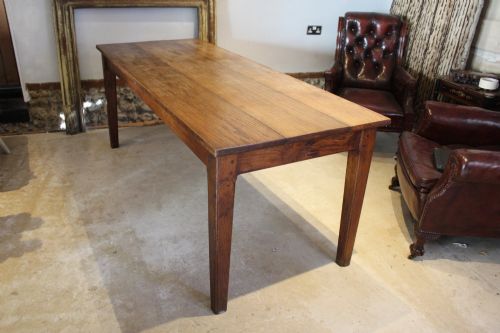
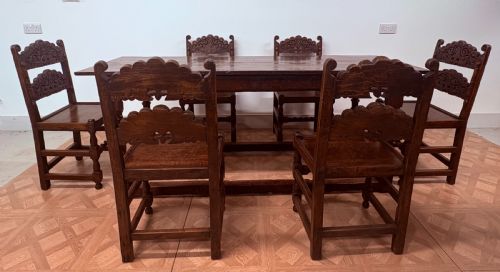
When searching for oak refectory furniture, buyers encounter long dining tables and matching benches designed for communal gathering. These pieces draw on historical forms, ranging from seventeenth-century originals to later revivals from the nineteenth and twentieth centuries.
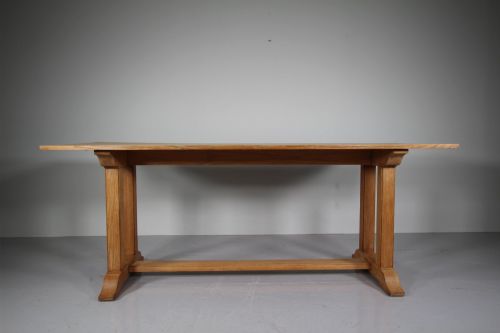
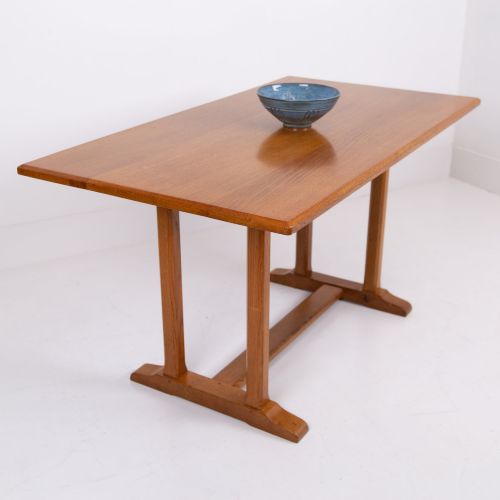
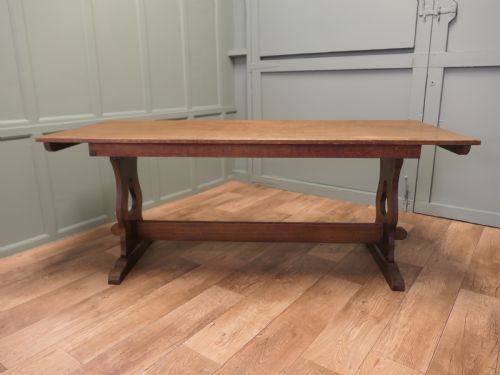
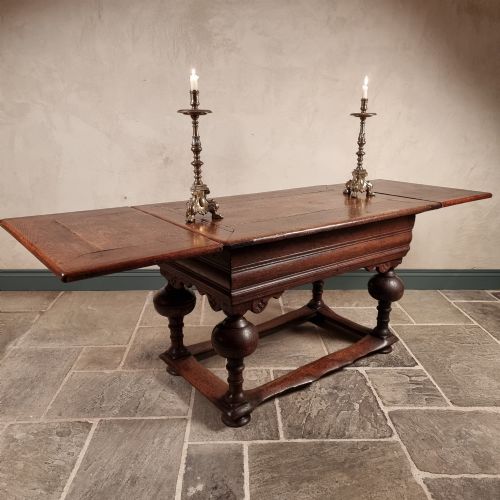
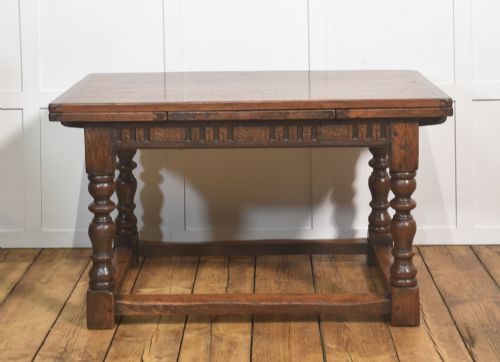
The selection includes single plank tops, draw-leaf mechanisms, and sturdy trestle bases constructed from solid timber. Pieces appear in various regional styles, including Welsh tavern tables, French pale oak designs, and Arts and Crafts interpretations.
Makers such as Heal's, Jack Grimble, and Sir Robert Lorimer contribute notable twentieth-century examples to the category. Buyers also find substantial Victorian ships tables incorporating cast iron and bronze feet alongside traditional country farmhouse items.
Materials and Construction Methods
Makers relied heavily on solid oak, quarter-sawn oak, and elm for the primary surfaces and structural frames. Single plank construction created wide tabletops from individual trees, while pine and hardwood appeared in supporting elements or secondary frames.
Joinery methods prioritized rigidity, utilising heavy trestle ends, shaped supports, and draw-leaf systems for extension. Metal components such as cast iron and bronze occasionally reinforced heavy tables intended for institutional or maritime use.
Oak Refectory Furniture Retail Price Guide 2026
Typical asking prices for oak refectory furniture among the pieces listed under this phrase on Sellingantiques today, from the lower quarter to the upper quarter. They describe what is for sale here now, not the wider market.
One robust Victorian specimen arrived straight from a ship's mess, fitted with bronze feet to survive rolling seas.
Factors Affecting Quality
Quality rests upon the selection of timber and the integrity of the original construction. Quarter-sawn oak displays distinct medullary rays that enhance both visual depth and structural stability in large surfaces.
Proportion and execution of carved details distinguish standard production from master workshops. Pieces bearing documented attribution to notable designers or retailers command distinct attention for their refined joinery.
Arthur Reynolds·Jack Grimble·Sir Robert Lorimer
The Oak Refectory Furniture Glossary
- Refectory table
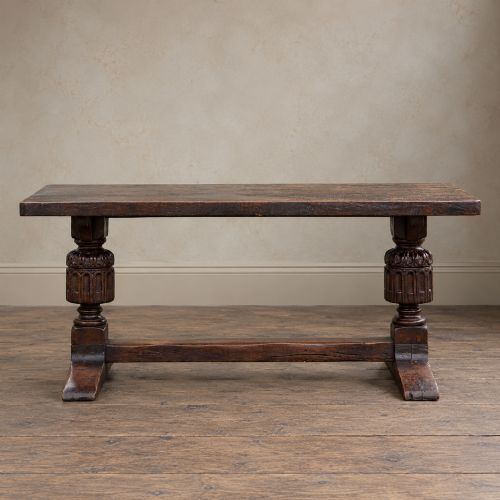
- A long dining table traditionally used in monasteries and great halls for communal meals. These forms typically feature parallel trestle feet connected by a low stretcher.
- Draw-leaf
- An extending table mechanism where two leaves slide out from beneath the main top. This design allows the surface area to increase while keeping the main boards stable.
- Quarter-sawn
- A method of cutting logs radially through the growth rings to produce stable boards. This technique reveals striking figuration known as medullary rays in oak timber.
- Stretcher
- A horizontal timber connecting the legs of a table or bench for added structural support. In refectory designs, it often runs low to the floor between the trestles.
- Trestle
- A support structure consisting of a horizontal beam fixed to two splayed vertical feet. It provides sturdy weight-bearing capacity for long dining surfaces.
Oak Refectory Furniture: Frequently Asked Questions
What is an oak refectory table?
An oak refectory table is a long, narrow dining table traditionally built for communal dining halls. It utilises heavy timber boards resting on trestle ends connected by floor stretchers.
These tables were designed to seat large groups of people comfortably. Modern spaces use them as central dining surfaces that anchor large rooms.
How do I identify seventeenth-century oak?
Seventeenth-century oak pieces display hand-riven grain patterns and traditional pegged joinery. Surface wear often shows deep patination developed over centuries of use.
Examination of the underside and structural joints reveals tool marks left by period craftsmen. Grain separation and timber shrinkage further confirm true age.
Can I use benches with these tables?
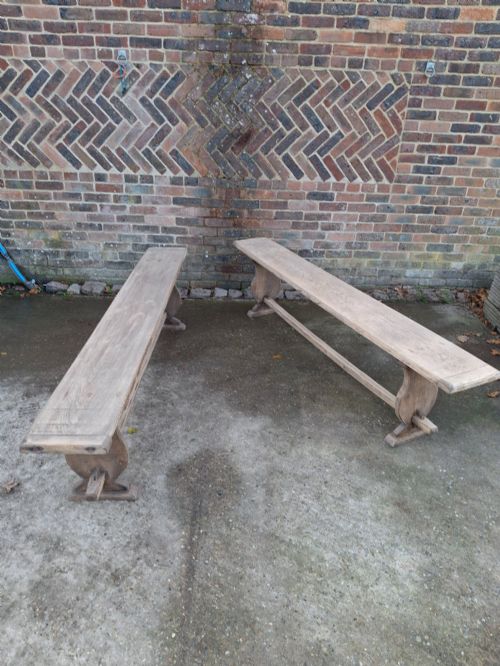
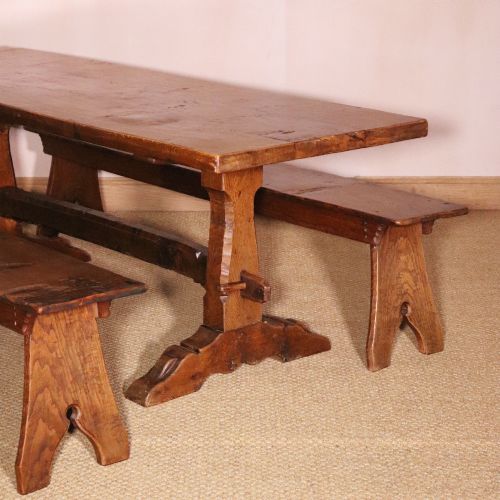
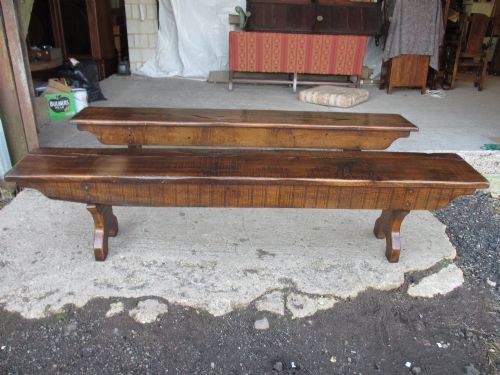
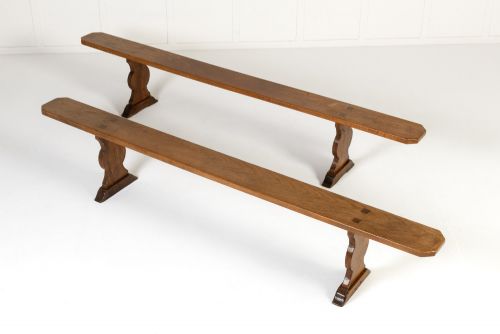
Benches match the historic tradition of refectory furniture and slide neatly beneath the table when not in use. They suit long dining rooms and open kitchen spaces.
Matching benches often share the same trestle end design and timber species as the main table. Solid oak benches provide robust seating for daily use.
What is quarter-sawn oak?
Quarter-sawn oak is timber cut perpendicular to the annual growth rings. This specialised cutting method produces boards with exceptional resistance to warping.
Visible flake patterns across the grain characterise this premium cut of wood. It appears frequently on high-quality Arts and Crafts and revival pieces.