


Oak Pub Table
An oak pub table brings sturdy tavern character and solid timber history straight into a room.
Oak Pub Table
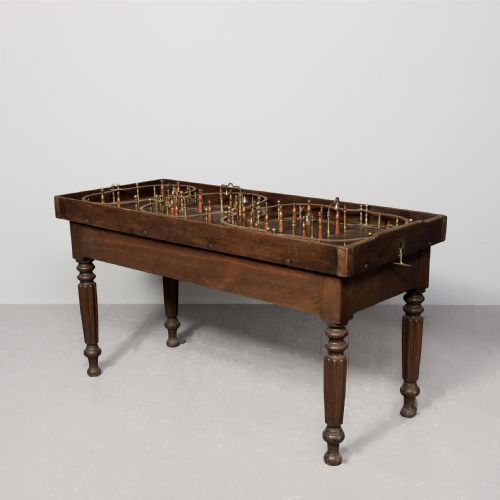
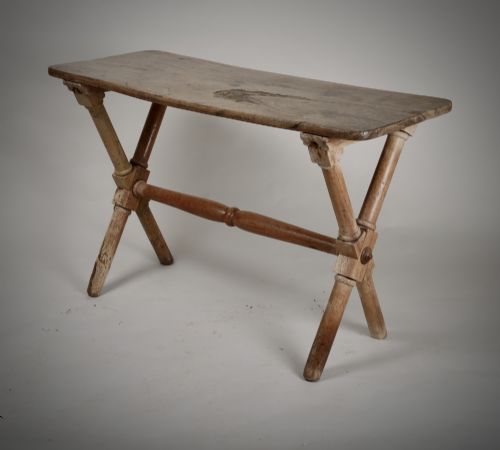
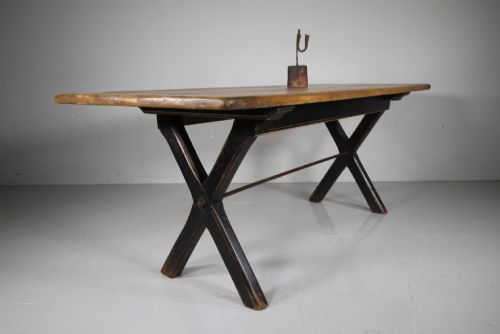
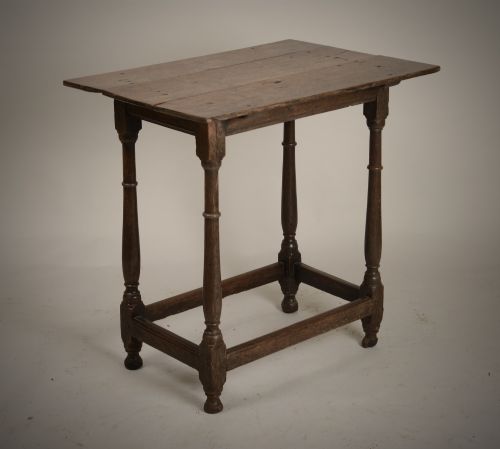
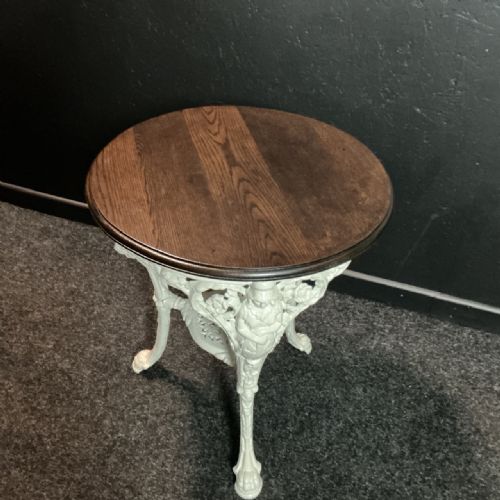
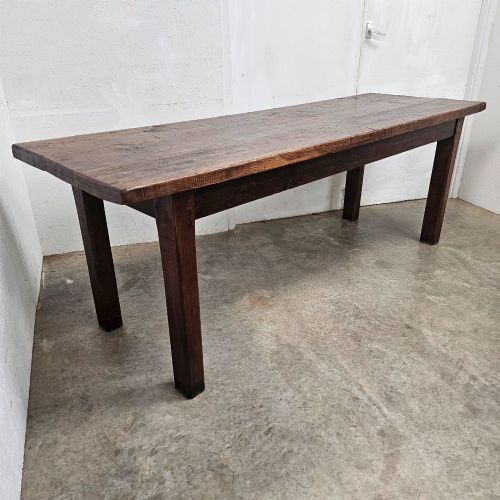
An oak pub table is a sturdy timber surface designed for tavern, dining, or games use, appearing across the seventeenth, eighteenth, and nineteenth centuries. These tables range from compact bistro and cricket forms to long tavern and dining variants originating in English, Welsh, and French traditions.
The version most commonly met on this page is the nineteenth century oak tavern table, often featuring a thick top and substantial legs. Alongside these, buyers find Edwardian Arts and Crafts examples, Georgian elm pieces, and occasional cast iron combinations from the Victorian era.
Makers such as Gaskell and Chambers also appear in the archive records for circular pub tables from the early twentieth century. Such pieces reflect the utilitarian origins of public house furniture adapted for domestic interiors.
Materials and construction
These pieces are built predominantly from solid oak, frequently paired with elm tops, pine subframes, and heavy cast iron bases for stability. Iron brackets, brass fittings, and occasional mahogany components appear across various styles from the nineteenth and early twentieth centuries.
Joinery methods rely on thick timber construction, visible pegged joints, and robust pedestals designed to withstand heavy daily use in public houses and taverns. Tops are often fashioned from single or joined planks showing natural grain and heavy wear accumulated over decades.
Some tables retain the quiet scars of past tavern games, bearing the unmistakable grain of centuries spent holding pints and wagers.
Distinctions in quality
Quality in an oak pub table rests on the integrity of the timber, the depth of surface patina, and the proportion of the base to the top. Tables retaining their original unplaned boards and honest structural joinery stand apart from heavily restored or later married pieces.
Gaskell and Chambers
The Oak Pub Table Glossary
- Tavern table
- A heavy wooden table traditionally used in public houses for drinking and dining. These pieces typically feature robust timber legs and thick tops built for daily commercial service.
- Cricket table
- A small three-legged circular table, often constructed from oak or elm. The three-legged design ensured stability on uneven tavern floors.
- Patina
- The deep sheen and surface character developed on wood over decades of handling, cleaning, and exposure to light. It is a key indicator of age and honest use.
- Draw leaf table
- A table equipped with sliding leaves stored beneath the main top that pull out to extend the surface length. This mechanism offers flexible sizing for dining.
- Cast iron base
- A heavy metal structural support often utilised in Victorian and Edwardian pub furniture. These bases provided immense stability and weight to prevent tipping in busy establishments.
Oak Pub Table: Frequently Asked Questions
How were these tables used?
These tables served patrons in public houses for eating, drinking, and playing games such as skittles or cards. Their robust construction was essential for surviving the busy environment of a historic tavern.
Over time, many of these pieces transitioned from commercial settings into domestic dining rooms and kitchens, where their hardy surfaces continued to serve heavy daily use.
How do I care for an antique pub table?
Maintain the wood by applying natural beeswax periodically to nourish the dry oak and preserve the historic surface patina. Avoid placing tables near direct heat sources to prevent timber splitting.
Clean spills promptly using a soft, dry cloth rather than harsh chemical polishes. Protecting the aged surface allows the timber to retain its character.
How can I tell the period?
Dating relies on examining the construction methods, tool marks, timber selection, and hardware such as iron or brass fittings. Seventeenth and eighteenth-century examples often display hand-pegged joints and wide plank tops.
Victorian and Edwardian pieces frequently incorporate cast iron bases, turned legs, or distinct maker markings. Comparing the joinery against known period styles clarifies the manufacturing era.
Will an antique table fit a modern kitchen?
These tables come in various proportions, from compact bistro and cricket tables to long dining formats, making them adaptable for diverse room sizes. Measuring the available floor space and checking the height helps determine compatibility with standard seating.
Many buyers pair these tables with antique stools or mismatched chairs to create an informal dining arrangement. Their sturdy build suits daily family life just as well as it suited historic pubs.