

Oak Panelled Chair
An oak panelled chair carries the heavy timber and carved framing of centuries past, offering a sturdy seat that anchors a room.
Oak Panelled Chair
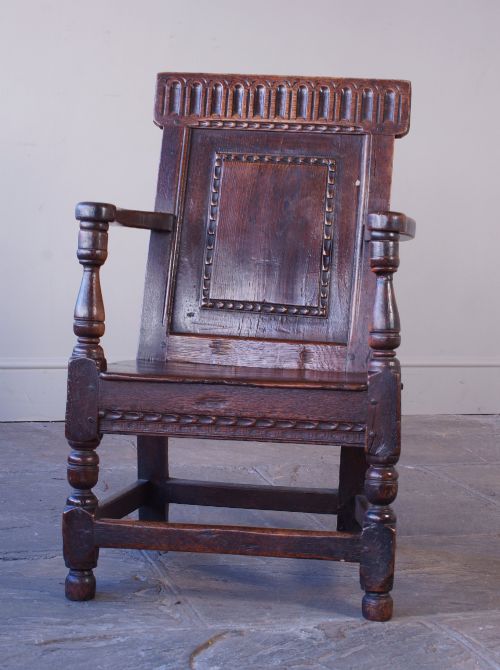
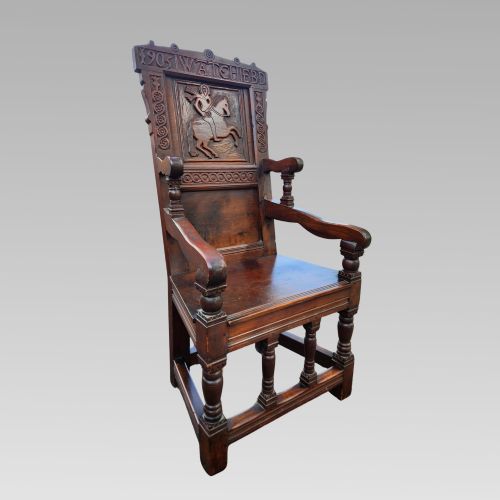
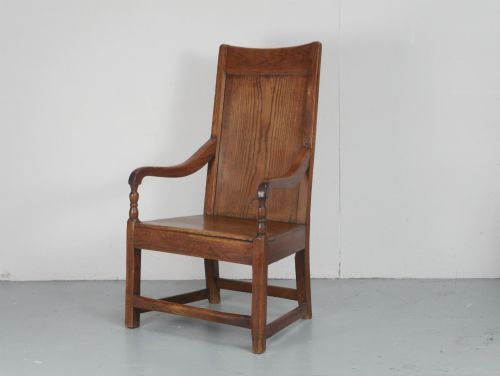
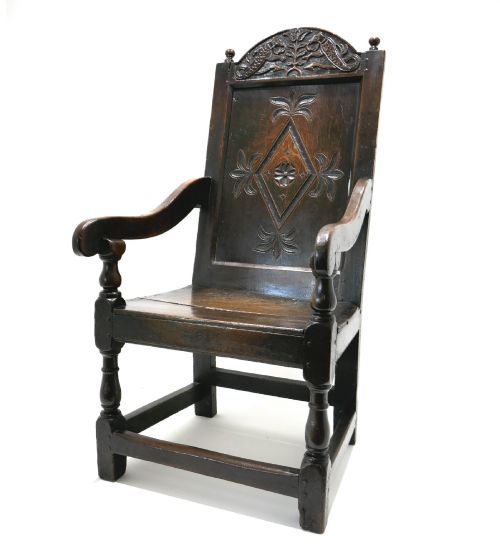
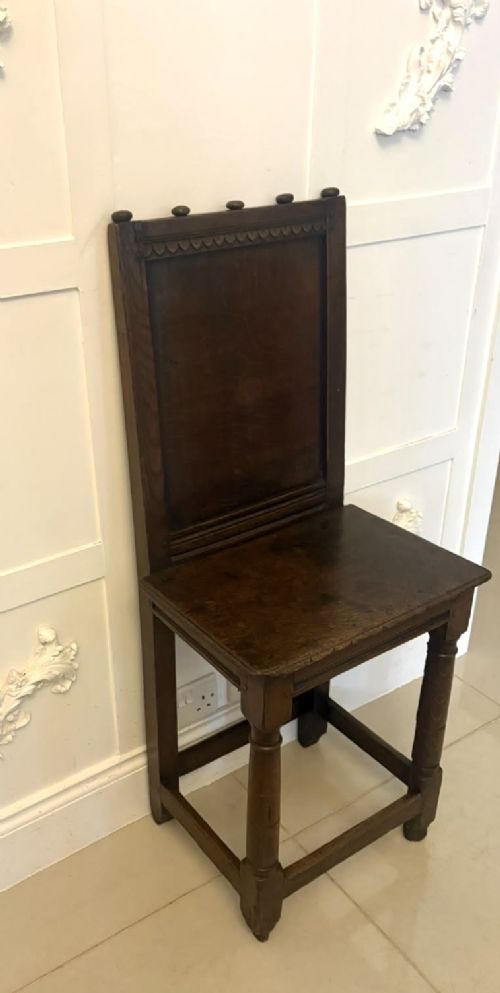
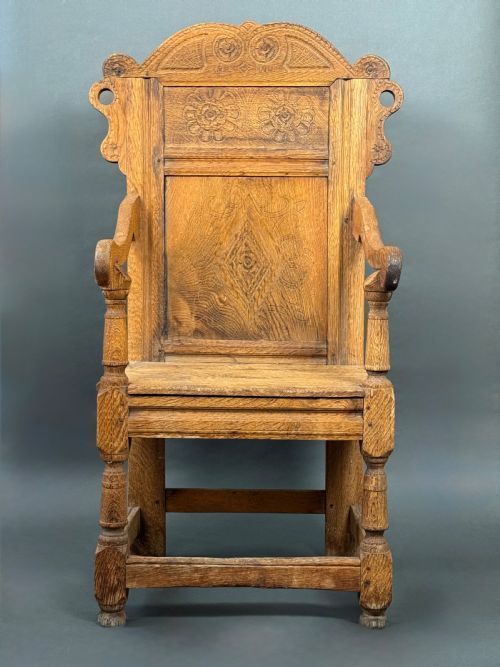
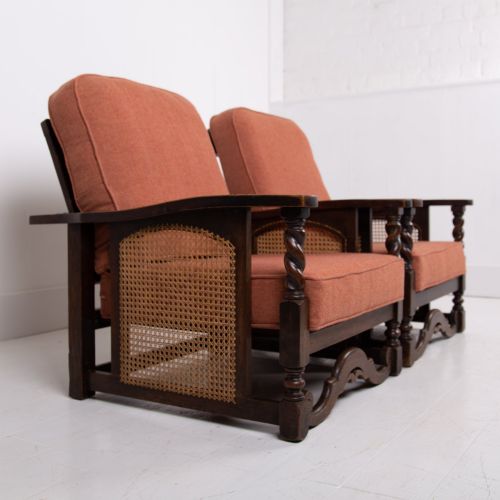
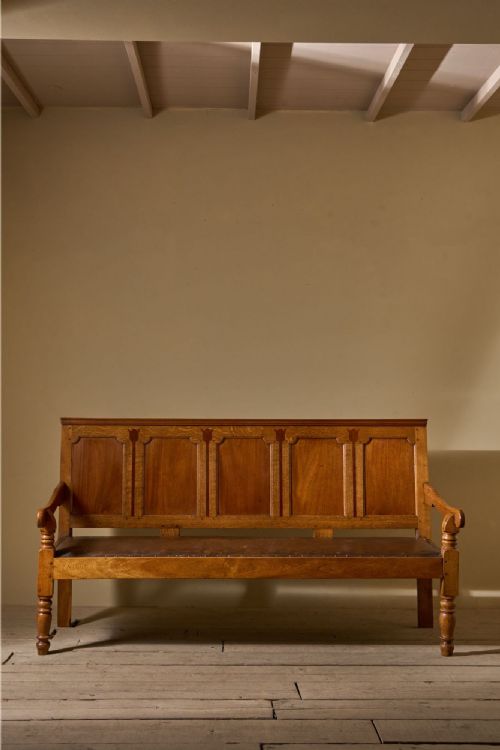
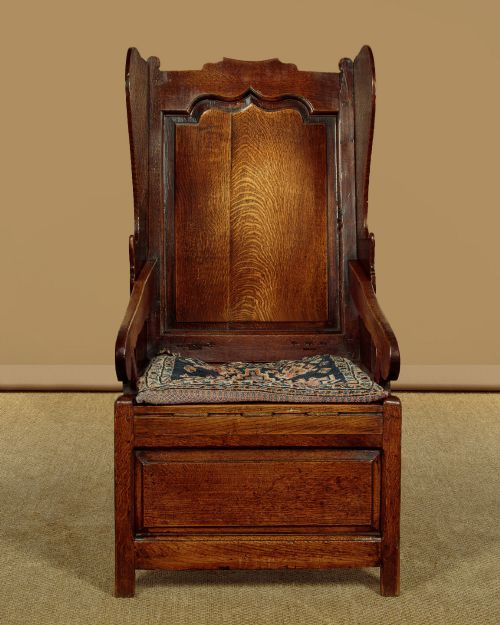
When searching for an oak panelled chair, buyers encounter robust wooden seating originating predominantly from the seventeenth century onwards. These sturdy seats include wainscot armchairs, hall chairs, and dining chairs constructed with solid timber frames and panelled backs.
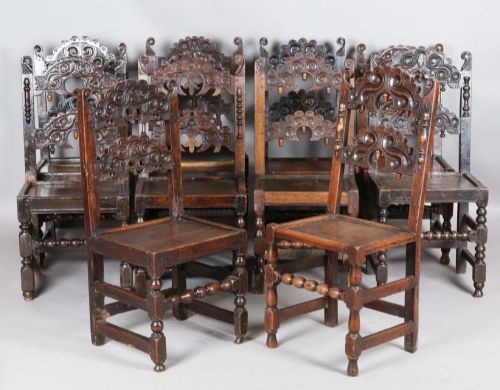
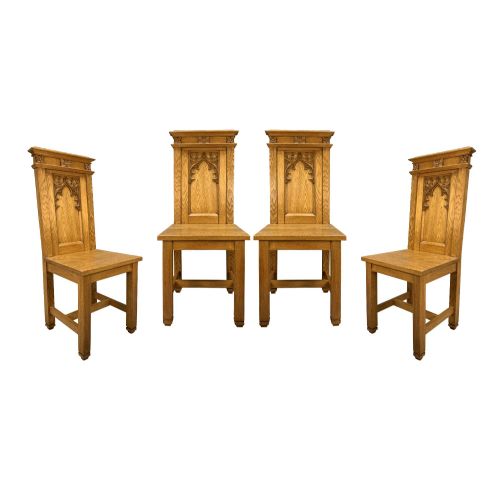
The selections span from early provincial wainscot forms associated with regions like Lancashire, Cheshire, and Yorkshire to later revival pieces from the Victorian era and the early twentieth century. Armchairs and side chairs dominate the listings, frequently displaying carved woodwork and high rectangular backs.
Makers historically produced these sturdy chairs for domestic halls and parlours, utilising thick planks to withstand daily use. Surviving examples range from authentic seventeenth-century period pieces to later nineteenth-century interpretations built in the earlier manner.
What Varies in Quality
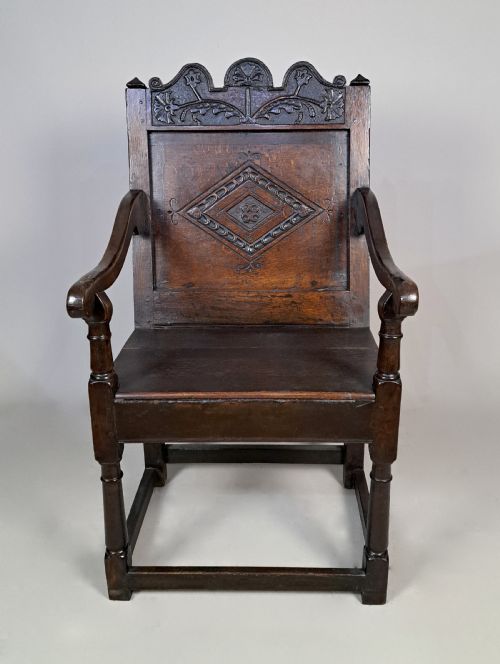
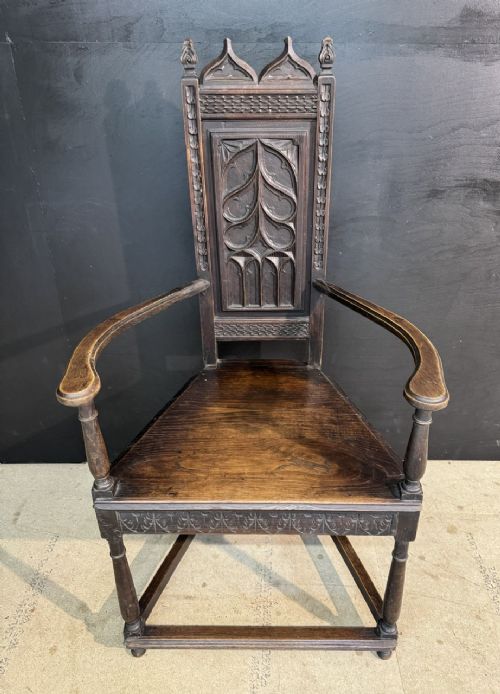
The standard of carving and the preservation of the original timber define the upper tier of these chairs. Crisp, deep relief work on the crest rails and stiles indicates skilled regional joinery from the period of origin.
Proportion and structural survival also separate better examples from heavily restored or later revival pieces. Chairs retaining their original joined bases and unblemished panel work command greater interest among collectors.
Oak Panelled Chair Retail Price Guide 2026
Typical asking prices for oak panelled chair among the pieces listed under this phrase on Sellingantiques today, from the lower quarter to the upper quarter. They describe what is for sale here now, not the wider market.
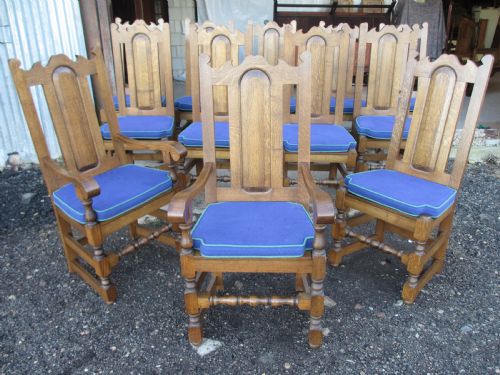
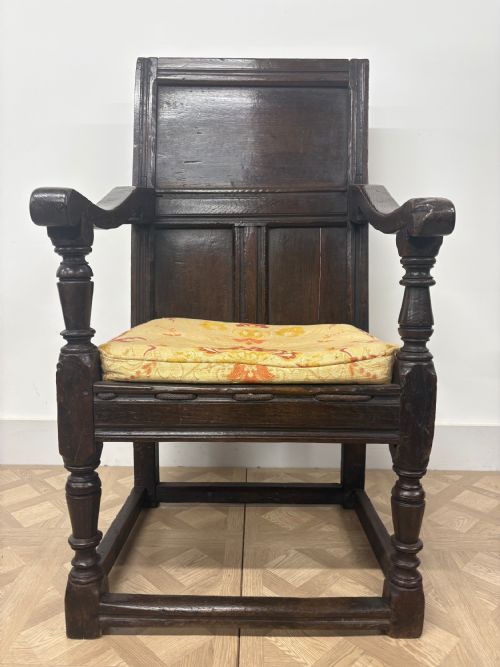
Some centuries-old oak chairs arrive with newly added cushions, proving that posterior comfort remains a universal priority across the ages.
The Oak Panelled Chair Glossary
- Wainscot chair
- A heavy wooden armchair constructed with panelled backs and solid wooden seats, typical of seventeenth-century English domestic interiors. These seats derived their name from wainscot grade oak imported for fine panelling.
- Stile
- The upright vertical member of a chair back or frame that receives the horizontal rails. In panelled chairs, stiles enclose the central wooden board.
- Crest rail
- The horizontal top member of a chair back, frequently carved with moulded decoration or regional motifs. This component receives the maker's primary ornamental focus.
- Squab cushion
- A loose upholstered pad placed on the wooden seat of a chair for added comfort. These cushions often utilise period-appropriate fabric, leather, or textile coverings.
Oak Panelled Chair: Frequently Asked Questions
How do I date an oak panelled chair?
Examine the construction methods, tool marks, and joinery style visible on the underside and frame. Seventeenth-century examples typically show hand-riven timber and pegged joints rather than modern screws.
Compare the carving motifs and regional characteristics against documented pieces from specific areas like Yorkshire or Lancashire. Revival pieces from the Victorian era often betray their later date through machine-cut lumber and standardised turning.
Were these chairs used at dining tables?
Most early wainscot chairs served as principal seats of authority in the household, reserved for the head of the house or honoured guests rather than group dining. Dining sets largely comprised simpler side chairs or benches during the earliest periods.
By the nineteenth and twentieth centuries, revival cabinetmakers produced matched sets of dining chairs featuring panelled backs to replicate earlier aesthetic styles for larger gatherings.
How should I care for an antique oak chair?
Maintain a stable indoor humidity level to prevent the solid oak panels from drying out, splitting, or shrinking within their frames. Keep the timber away from direct heat sources and strong sunlight.
Apply a microcrystalline wax polish occasionally to nourish the wood surface and preserve the natural grain and colour without building up sticky residues.
What is the difference between a wainscot chair and a hall chair?
A wainscot chair is a heavy, solid oak armchair featuring a panelled back and arms, built for substantial daily use in early households. They represent the primary seating forms of the seventeenth century and earlier.
Hall chairs generally appeared in later periods as lighter side chairs or benches positioned in entranceways, often featuring painted or carved family crests rather than heavy structural panelling.