






Oak Occasional Stool
These oak occasional stool pieces offer sturdy timber construction and compact utility, suiting daily perching or surface use in traditional interiors.
Oak Occasional Stool
An oak occasional stool spans forms from joint stools and box stools to cricket tables and low side tables originating across the seventeenth through twentieth centuries. Buyers search for these pieces to add versatile timber seating or small surfaces to a room.
The selections here most frequently include joint stools and low side tables executed in solid timber, reflecting periods like the seventeenth century and nineteenth century revivals. Makers of these pieces drew upon styles such as Jacobean and Arts and Crafts.
Various regional workshops produced these items, employing sturdy mortise and tenon construction designed for durability. Such seating and small tables continue to function practically in modern spaces while displaying historic character.
Evaluating Quality
The integrity of the timber and the honesty of the construction dictate the worth of each piece. Items retaining their original joined frames and uncompromised wood surfaces command greater regard than those with extensive later alterations.
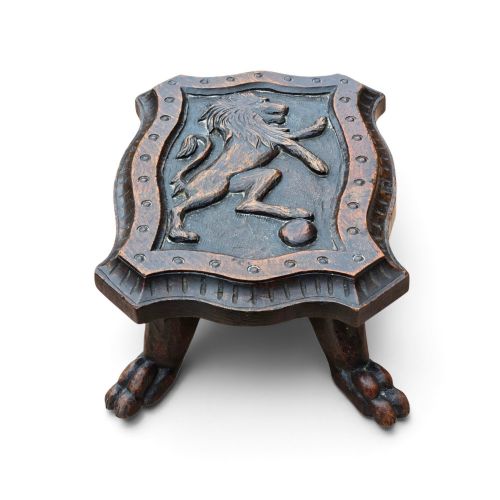
Carving execution differentiates standard utilitarian items from finer decorative examples. Crisp detailing on motifs like heraldic lions or chip-carved edges indicates superior workshop skill.
Oak Occasional Stool Retail Price Guide 2026
Typical asking prices for oak occasional stool among the pieces listed under this phrase on Sellingantiques today, from the lower quarter to the upper quarter. They describe what is for sale here now, not the wider market.
Object forms here include joint stools, cricket tables, lowboys, box stools, and gateleg tables.
The Oak Occasional Stool Glossary
- Joint stool
- A sturdy wooden stool constructed with mortise and tenon joints held together by wooden pegs rather than glue. These pieces date back to the sixteenth and seventeenth centuries and served various household uses.
- Box stool
- A seating form featuring a hinged seat lid that opens to reveal a storage compartment within the frame. They often double as small tables.
- Cricket table
- A small, lightweight occasional table typically supported by three splayed legs beneath a round or triangular top. The design provided stability on uneven early floors.
- Gateleg table
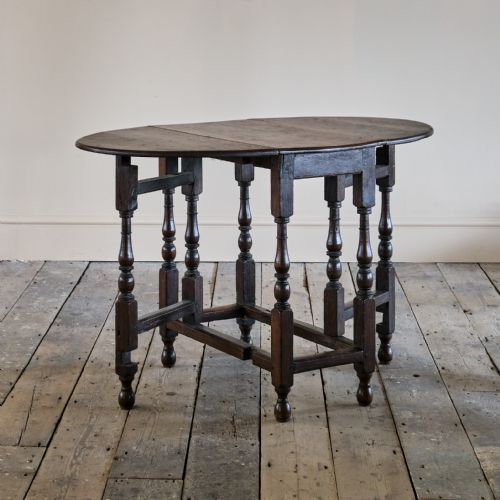
- A table with hinged drop leaves supported by legs that swing outward like gates. This mechanism allowed surfaces to fold down when not in use.
- Chip carving
- A decorative technique where small chips are removed from the surface of timber to create geometric patterns. It appears frequently on Arts and Crafts and vernacular pieces.
Oak Occasional Stool: Frequently Asked Questions
How were oak joint stools used historically?
Joint stools served primarily as seating around the dining table for family members and guests. Their sturdy frames also permitted use as small side surfaces for food or household items.
Because they were easily movable, occupants shifted them near hearths or beds as needed. Their robust timber construction ensured they withstood heavy domestic routines.
Can I use an occasional stool as a side table?
Flat-topped joint stools and box stools function effectively as small side tables for lamps or books. Their compact footprints suit tight spaces beside armchairs or beds.
Ensure the top surface remains level enough to hold cups or glass objects safely. Placing felt pads beneath items protects the historic wood finish from scratches.
How do I distinguish seventeenth-century work from later revivals?
Original seventeenth-century pieces display distinct tool marks, hand-split timber characteristics, and wear patterns accumulated over centuries of use. The joinery often utilises pegged mortises with irregular hand-cut dimensions.
Nineteenth-century revival pieces, such as those made during the Elizabethan or Jacobean revivals, often exhibit more uniform machine-sawn timber and standardised joinery. Examining the underside and interior surfaces reveals clues regarding tool usage and age.
What maintenance do antique oak stools require?
Maintain antique oak surfaces by applying a traditional beeswax polish sparingly to nourish the dry timber. Avoid placing these pieces near direct heat sources or in fluctuating humidity to prevent wood splitting.
Dust them regularly with a soft, dry cloth rather than using wet cleaners. Gentle care preserves the natural patina developed over generations of handling.