




Oak Book Table
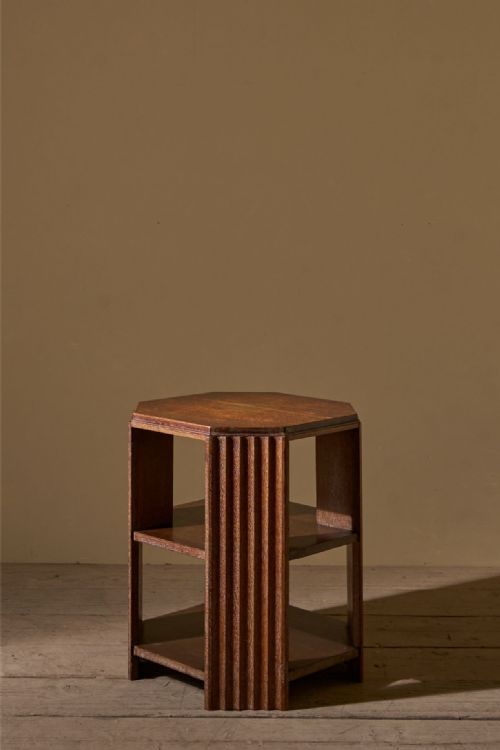
An oak book table combines a sturdy surface for daily use with built-in storage for volumes, holding a central place in domestic reading spaces.
Oak Book Table
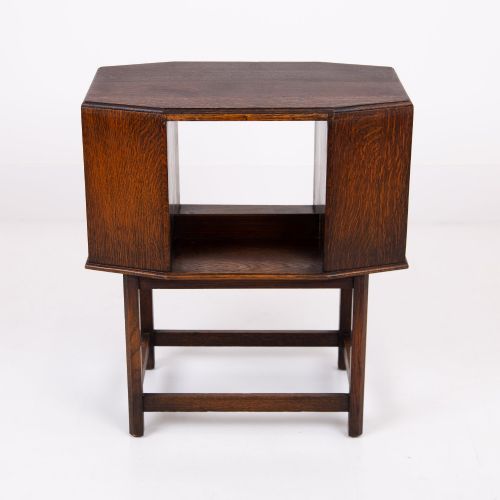
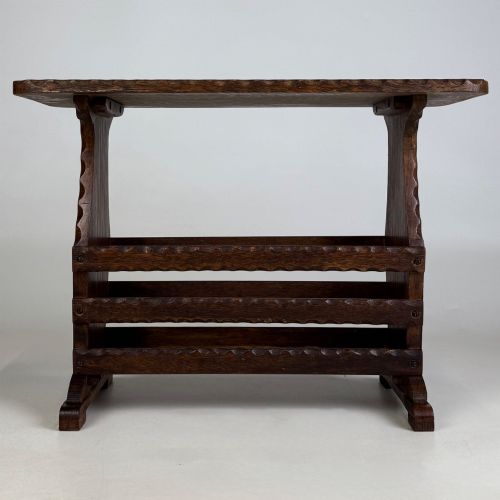
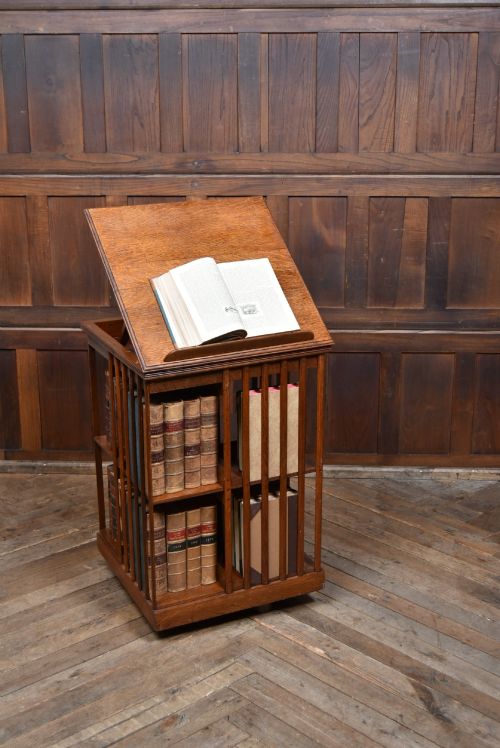
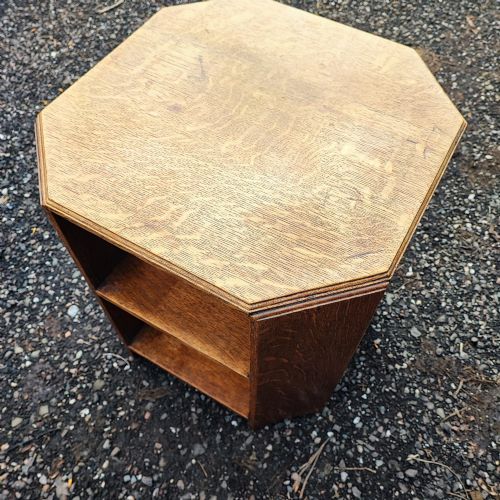
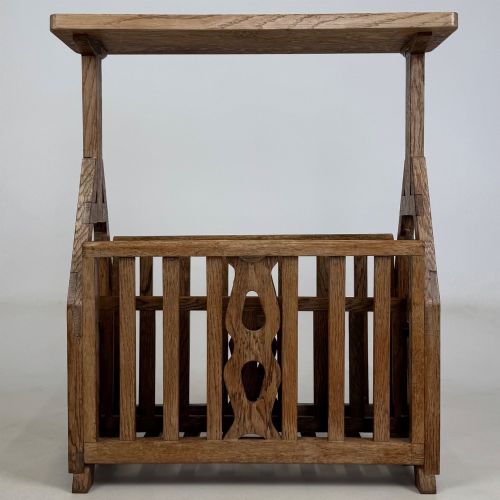
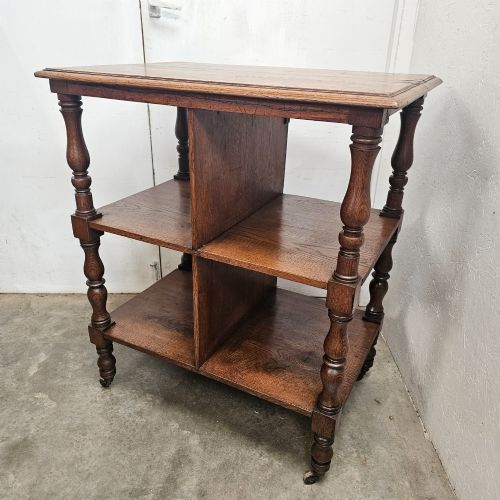
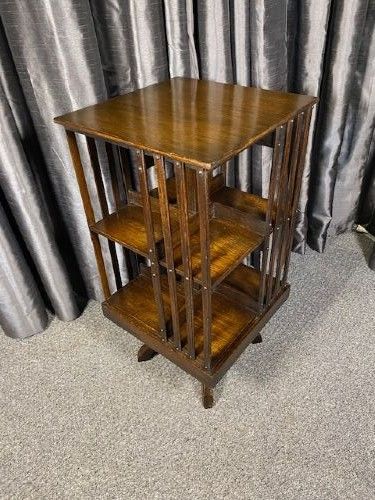
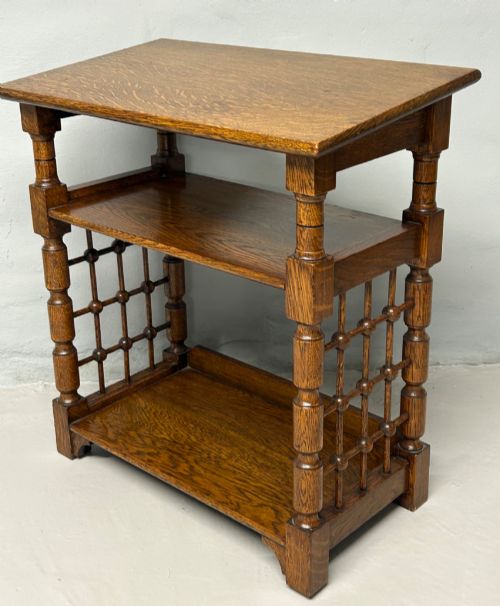
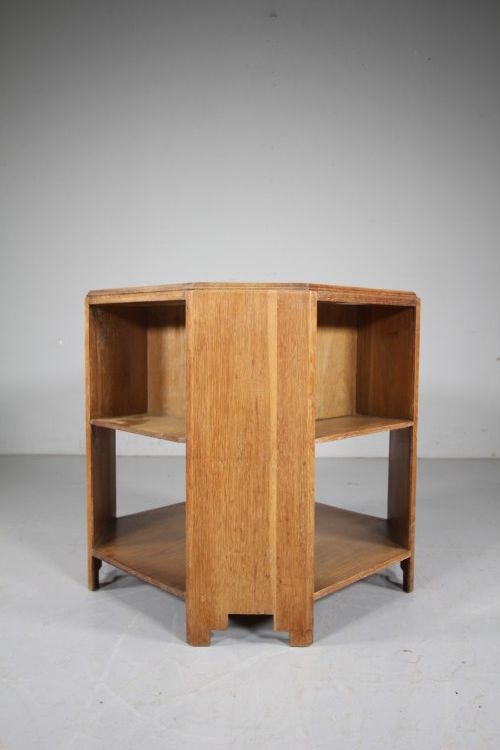
An oak book table serves primarily as a dual-purpose item, offering a stable top surface alongside integrated shelving or compartments designed specifically for holding volumes. When searching for an oak book table, buyers encounter a variety of forms ranging from compact occasional stands to rotating designs and side tables fitted with magazine racks.
The pieces originating from the Edwardian era and the 1930s dominate the selection, often reflecting Arts and Crafts or Art Deco design principles. Makers utilised solid timber and quarter-sawn boards to construct forms that integrate storage directly into the table architecture.
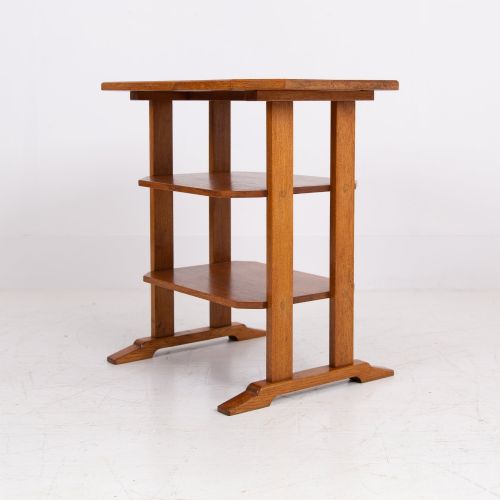
Many examples incorporate open shelves beneath the main surface, while others utilise revolving mechanisms or built-in troughs for periodicals. These domestic items bridge the gap between heavy library furniture and lightweight occasional tables.
How they were made
Makers relied principally on solid oak, frequently selecting quarter-sawn timber to expose the distinct medullary rays across the grain. This method provided structural stability to tabletops and shelf units alike.
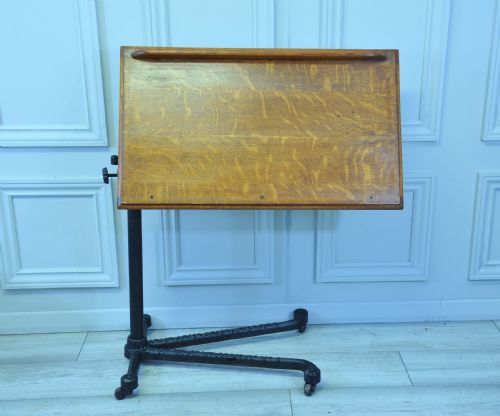
Metal components such as brass, iron, and cast iron frequently appear in adjustable mechanisms, brackets, and table-top book presses. Joinery techniques from the Arts and Crafts period emphasised visible construction methods, including pegged joints and open shelving.
Listings feature oak alongside iron, brass, and cane, spanning Victorian, Edwardian, and Art Deco periods.
What varies in quality
The distinction between standard commercial output and superior craftsmanship rests on timber selection and the integration of storage elements. Pieces featuring well-figured oak boards and thoughtful proportions display a higher grade of design intent.
Engineering of moving parts distinguishes finer revolving tables and adjustable book stands from basic static variants. Smooth rotation mechanisms and robust internal framing indicate workshop standards associated with prominent makers.
Heals·Liberty And Co·Carters Of London·Leonard Wyburd
The Oak Book Table Glossary
- Quarter Sawn
- Timber cut radially from the growth rings to produce stability and a decorative figuration known as medullary rays. This method minimises warping in furniture tops.
- Limed Oak
- A wood finishing technique that leaves white pigment in the open pores of oak, creating a pale, contemporary surface appearance popular during the twentieth century.
- Revolving Bookcase
- A small bookcase mounted on a hidden internal pivot, allowing users to access multiple tiers of books from a stationary seating position.
- Book Slide
- An extendable desk accessory fitted with folding ends, designed to hold a selection of volumes upright between decorative ends.
- Arts and Crafts
- A design movement spanning the late nineteenth and early twentieth centuries that valued honest construction, visible joinery, and traditional materials.
Oak Book Table: Frequently Asked Questions
How do I identify an Arts and Crafts oak book table?
These pieces typically exhibit honest construction methods, featuring exposed joinery, chamfered edges, and simple geometric forms without excessive ornamentation. The timber selection often highlights the natural grain of the wood.
Such tables frequently date from the late nineteenth or early twentieth centuries, aligning with the philosophy of handcrafted domestic utility.
What is the difference between a side table and a revolving bookcase?
A side table provides a stationary surface with auxiliary storage tucked underneath or at the sides, such as open shelves or magazine troughs. It functions primarily as a surface for lamps or cups while keeping reading material close at hand.
A revolving bookcase centres entirely on multi-directional storage, allowing books to be stacked vertically around a central pivot beneath a compact top surface.
How should I care for limed oak furniture?
Maintenance requires dry dusting with a soft cloth to prevent the accumulation of grit in the textured grain. Avoid using silicone polishes or excess moisture, which can degrade the pale finish lodged in the wood pores.
Wax formulated for timber can be applied sparingly to protect the surface while preserving the characteristic tone of the piece.
Where were these tables typically used in the home?
Households placed these versatile items beside armchairs in drawing rooms, studies, and libraries to keep current reading material within arm's reach. Their compact footprints suited spaces where large shelving units would not fit.
They served as functional surfaces for daily reading, letter writing, and holding periodicals.