


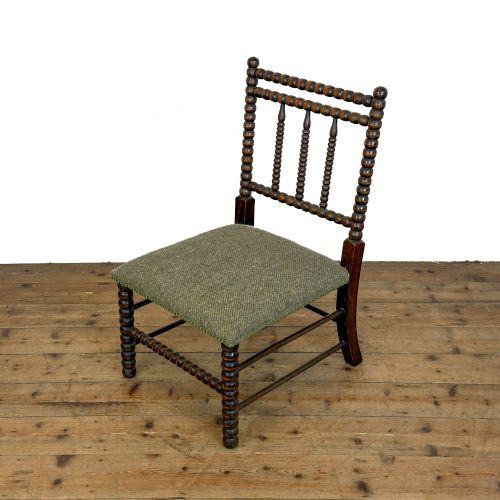


Oak Bobbin Chair
Solid oak bobbin chairs combine dense timber frames with distinctive spool turnings, offering both robust support and strong period character.
Oak Bobbin Chair
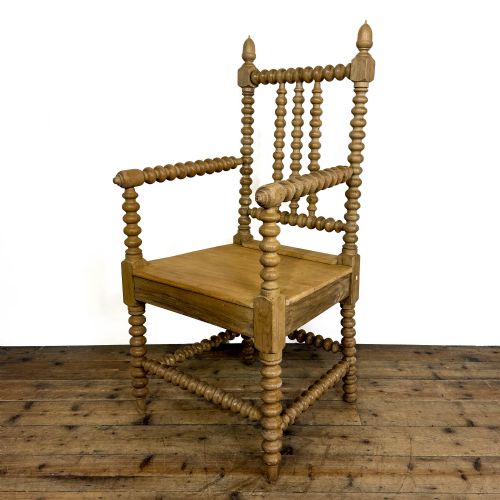
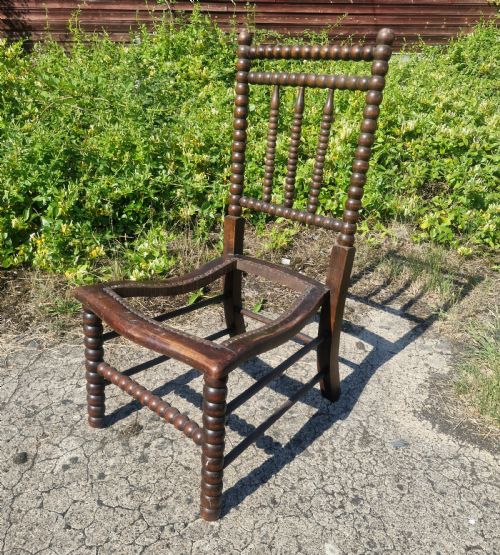
An oak bobbin chair centres on turned components resembling strings of bobbins or spools, creating a rhythmic profile across structural supports. Buyers search this phrase for seating that displays this repetitive woodturning alongside traditional timber construction.
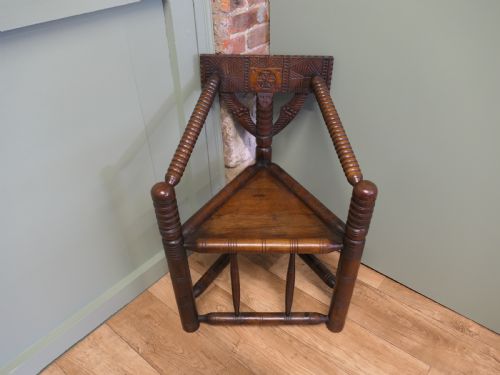
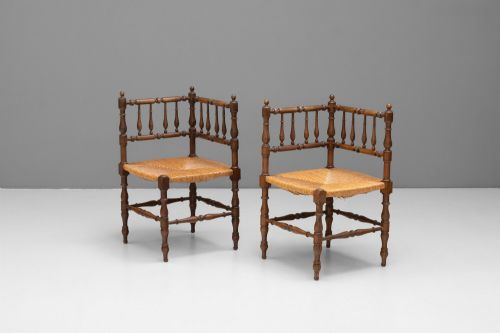
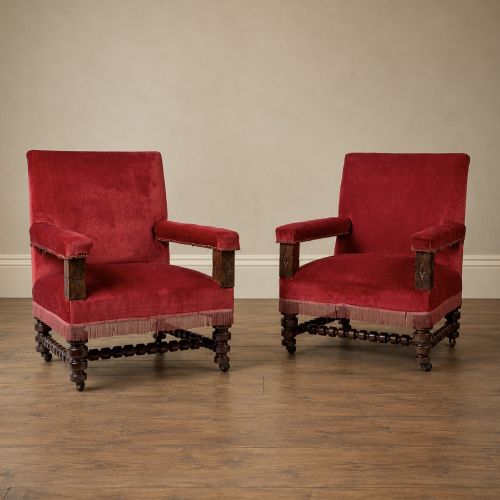
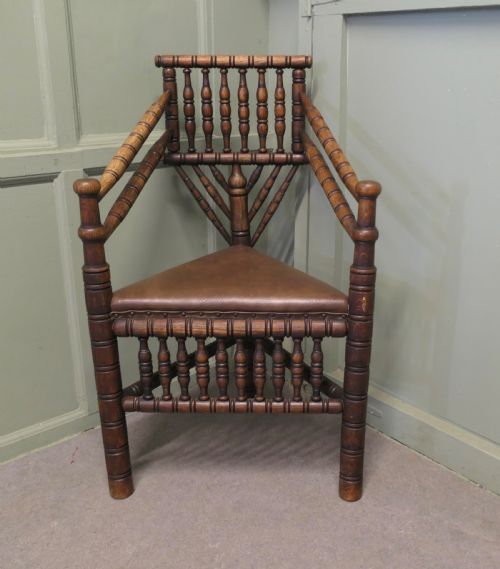
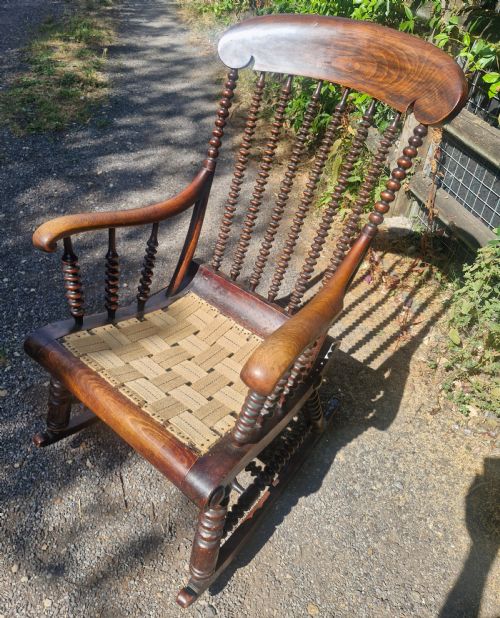
Most examples appearing here date from the Victorian era and the nineteenth century, though earlier seventeenth century roots influence many designs. Forms span from open armchairs and rocking chairs to low bedroom seats and corner chairs.
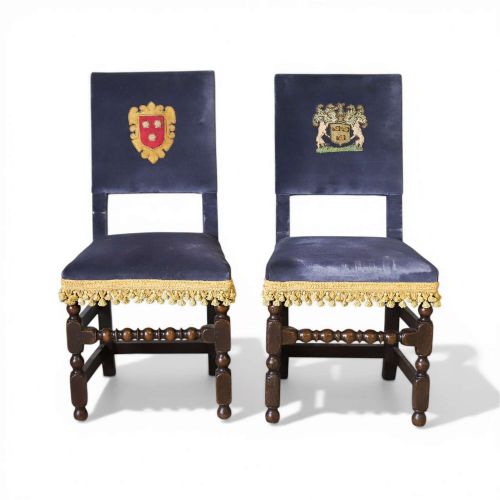
Variations include pieces featuring cane seats, rush seating, or upholstered pads in velvet, leather, and fabric. Regional vernacular styles and revival pieces drawing on Jacobean or Old Saxon motifs shape the selection.
Materials and Turning Techniques
Makers utilised solid oak for the primary framework, sometimes combining it with secondary woods like beech while retaining oak for visible structural elements. Selected pieces incorporate brass hardware or incorporate textile elements including woollen tweed, linen, and velvet.
Turned members were produced on a lathe, shaping cylindrical timber into rows of rounded roundels or bobbins joined by tight mortise and tenon joints. Seat sections frequently utilise woven cane, split rush, or padded squab cushions resting on timber bases.
Oak Bobbin Chair Retail Price Guide 2026
Typical asking prices for oak bobbin chair among the pieces listed under this phrase on Sellingantiques today, from the lower quarter to the upper quarter. They describe what is for sale here now, not the wider market.
Victorian makers cheerfully marketed these as Old Saxon seats, convincing buyers they were sitting on Anglo-Saxon history.
Distinctions in Execution and Age
Quality rests upon the crispness of the bobbin turnings and the selection of straight grained oak with uniform colour. Tighter, more complex turning patterns require greater skill from the artisan compared to simpler, uniform spools.
Structural integrity depends on the precision of the joinery and the survival of original turning without excessive replacement timber. Pieces retaining early upholstery methods or genuine period rush and cane demonstrate higher authenticity.
Liberty and Co
The Oak Bobbin Chair Glossary
- Bobbin turning
- A type of woodturning that produces a series of rounded, spool like shapes resembling bobbins used in lace making. This decorative motif defines the entire structure of the frame.
- Turner's chair
- An early form of armchair constructed entirely from turned wooden members and spindles. These pieces often feature triangular or hexagonal seats.
- Backstool
- A seventeenth century term for a chair without arms, essentially a stool fitted with an upright backrest. They frequently appear in joined oak construction.
- Old Saxon
- A nineteenth century revival descriptor applied to heavy turned chairs imitating much older vernacular seating forms. The term appears frequently in Victorian cataloguing.
- Cane
- Split rattan woven into patterned mesh to form lightweight, flexible chair seats and backs. It provides breathability and textural contrast to solid oak frames.
Oak Bobbin Chair: Frequently Asked Questions
What is an oak bobbin chair?
An oak bobbin chair is a seat constructed with wooden frames shaped on a lathe into repeating spool or bobbin profiles. These pieces draw on seventeenth century traditions as well as nineteenth century revival periods.
They serve as both functional seating and decorative statement items, often featuring open arms, turned stretchers, and various seat options from solid wood to woven cane.
How do I identify a Victorian bobbin chair?
Victorian examples typically display nineteenth century manufacturing marks, softer timber patination, and often carry retailer descriptions referencing Old Saxon or Jacobean styles. They combine machine assistance with hand finishing.
Compare the joinery techniques and wood species with seventeenth century originals, which generally exhibit heavier timber scantlings and pegged joints without modern adhesives.
Were bobbin chairs used at dining tables?
While some side chairs and armchairs suited dining use, many bobbin turned forms functioned as occasional chairs, bedroom seats, or library reading chairs. Their turned frames made them decorative items for reception rooms.
Low seat variants and rocking chairs were specifically designed for chamber use or fireside relaxation rather than formal dining arrangements.
How should I care for an antique oak chair?
Maintain antique oak by keeping it away from direct heat sources and rapid humidity changes that cause timber to split. Apply microcrystalline wax sparingly to nourish the wood finish without attracting dust.
Protect cane or rush seating by avoiding excessive downward pressure and dusting regularly with a soft brush to prevent grit accumulation within the weaves.