



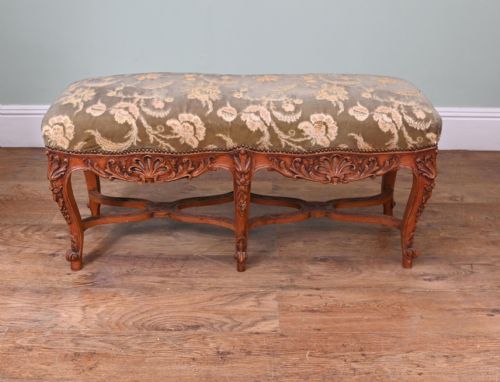
Oak Bench Ends
These oak bench ends carry centuries of ecclesiastical and domestic craft, offering robust seating structures built from durable timbers.
Oak Bench Ends
When you search for oak bench ends, you encounter architectural salvage and seating components shaped from solid timber. These items originate from periods ranging from the seventeenth century through to the Edwardian era, showing both religious and secular uses.
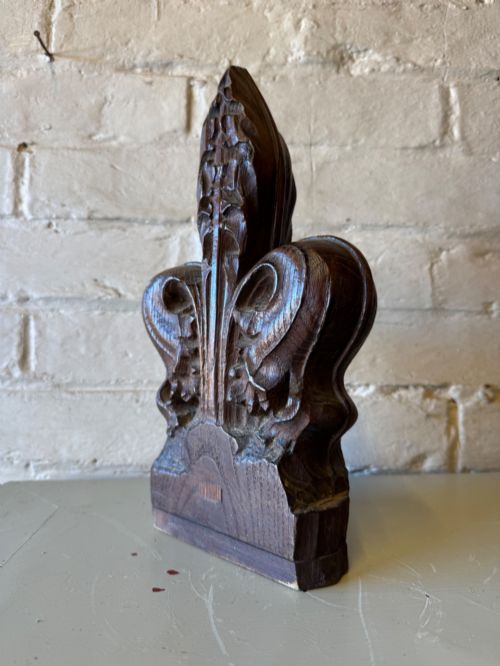
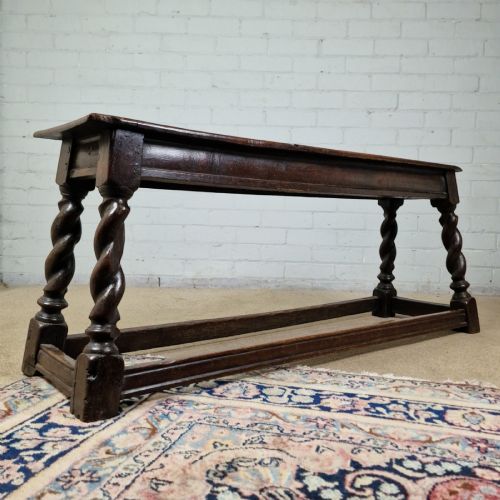
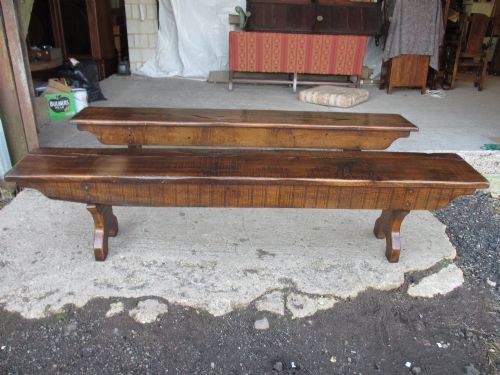
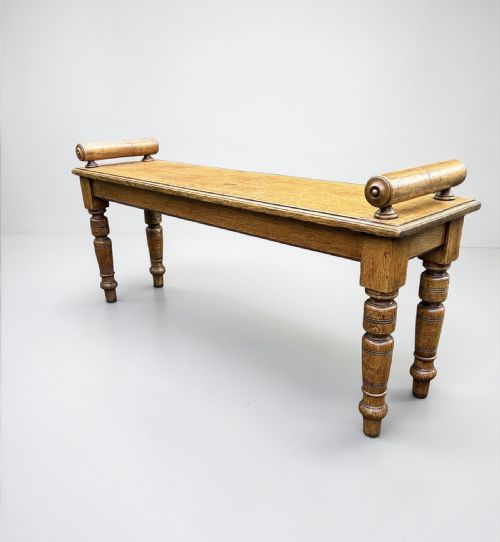
The pieces on this page appear as architectural carvings, poppy head finials, and structured trestle ends integrated into benches, window seats, and long stools. Elm and brass occasionally appear alongside the primary oak construction.
Makers utilised various regional designs, incorporating Gothic revival, Arts and Crafts, and English country styles. This variety reflects the evolution of interior seating and architectural woodwork over several centuries.
How they were made
Carpenters shaped these objects primarily from solid oak, sometimes combining elm for structural elements and brass for functional details. Timber was hand-carved to produce architectural motifs, poppy head finials, and shaped trestle ends.
Surface treatments vary from polished finishes to pale bleached oak, highlighting the natural grain of the wood. Joinery techniques relied on traditional methods to ensure durability across centuries of use.
Oak Bench Ends Retail Price Guide 2026
Typical asking prices for oak bench ends among the pieces listed under this phrase on Sellingantiques today, from the lower quarter to the upper quarter. They describe what is for sale here now, not the wider market.
Listings feature oak alongside elm and brass, spanning periods from the seventeenth century to the Edwardian era.
What varies in quality
The distinction between standard items and superior examples lies in the depth and intricacy of the hand-carved details. Pieces featuring complex poppy head finials or sophisticated Gothic revival motifs demonstrate higher craftsmanship.
Condition and surface preservation dictate the character of each piece, with polished finishes and pale bleached oak surfaces showing distinct aesthetic choices. The integration of secondary materials like elm or brass adds further complexity to the construction.
The Oak Bench Ends Glossary
- Poppy head
- An ornamental finial carved at the top of a bench end, frequently seen in Gothic architecture. This decorative feature often displays distinct foliate patterns.
- Trestle end
- A vertical support structure placed at the side of a bench or table. These ends provide stable footing for heavy oak seating.
- Window seat
- A long stool or bench designed to fit within a window recess. These domestic forms utilise the architectural salvage of older bench ends.
- Architectural salvage
- Building materials rescued from demolition or alteration for reuse in new settings. Bench ends often enter circulation through this practice.
Oak Bench Ends: Frequently Asked Questions
What are oak bench ends used for?
These pieces serve primarily as structural supports for benches, window seats, and long stools. They originate from larger architectural settings and are adapted into standalone furniture.
Collectors often integrate carved finials and trestle ends into modern domestic interiors as decorative or functional seating components.
How do I identify seventeenth-century oak?
Seventeenth-century timber displays dense grain patterns and deep patination acquired through centuries of exposure. Hand-carved elements on these pieces exhibit tool marks consistent with period joinery.
Comparing the construction methods and stylistic motifs, such as early poppy heads, helps distinguish this period from later Victorian revivals.
What is a poppy head finial?
A poppy head is a carved ornament terminating the top of a bench end or pew. The design typically resembles a stylised bud or foliate scroll.
This decorative feature is common in ecclesiastical woodwork and appears frequently on early carved oak components.
How should I care for bleached oak?
Pale bleached oak requires gentle cleaning with a dry or barely damp cloth to preserve its light finish. Avoid harsh chemical cleaners that can strip the treated surface.
Maintaining stable indoor humidity prevents the solid timber from splitting or warping over time.