



Oak Bedroom Stand
These oak bedroom stand pieces offer sturdy utility and period character, bringing traditional timber forms directly into the sleeping quarters.
Oak Bedroom Stand
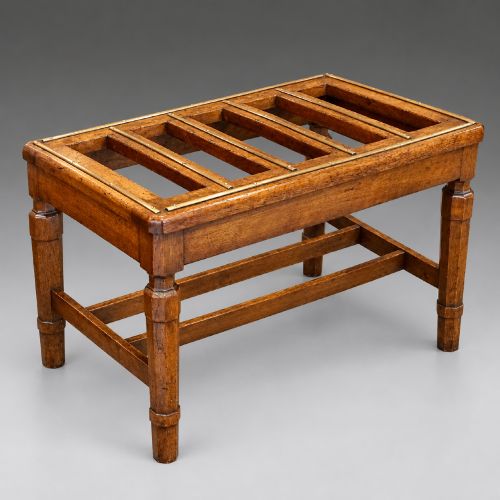
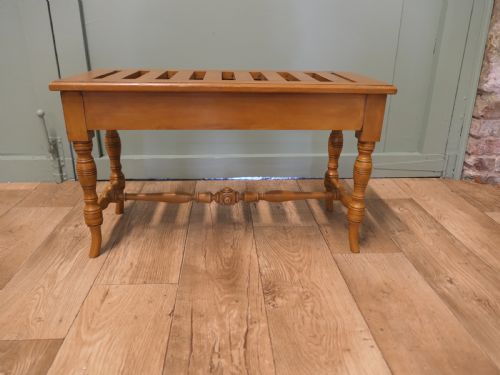
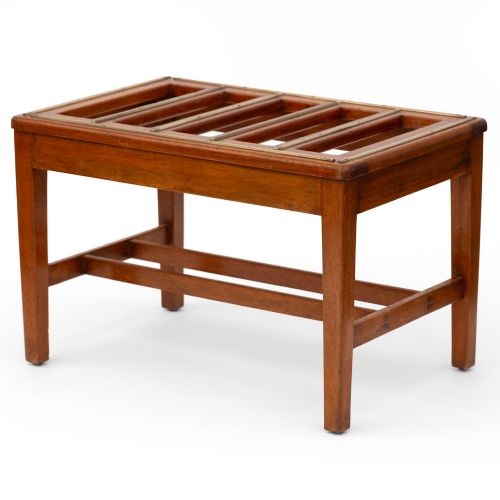
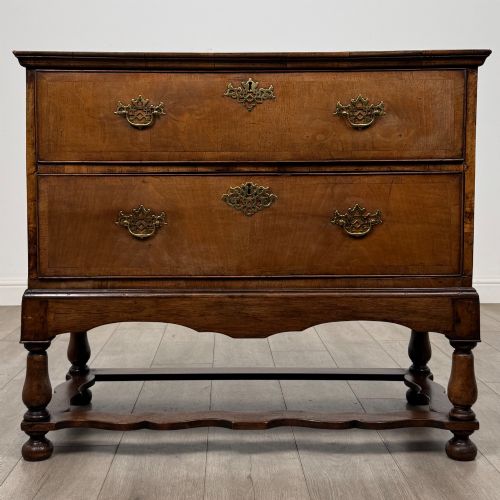
An oak bedroom stand encompasses practical items designed for daily chamber use, spanning luggage racks, washstands, and chests on stands. These pieces emerge from periods such as the Georgian era, the Victorian epoch, and the Edwardian years.
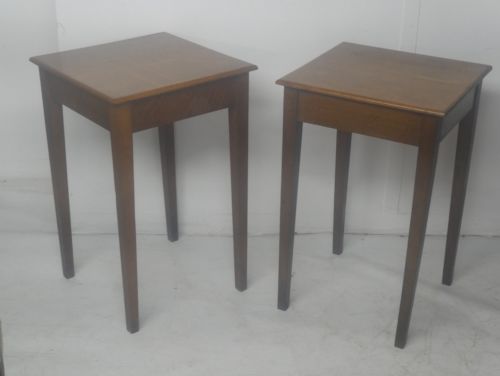
The assortment on this page frequently highlights luggage racks and suitcase stands alongside mirrors, lamp tables, and washstands. Pieces range from simple utilitarian hotel luggage stands to carved French washstands and William and Mary style chests.
Originating across different stylistic traditions including Arts and Crafts, Scottish Country, and English Country House, these items present robust timber construction suited for functional domestic spaces.
How they were made
Construction relies heavily on solid oak, selected for durability and finished with polishing or carving depending on the workshop. Supplementary materials appear selectively, such as brass hardware, glass panels, and marble tops.
Joinery reflects traditional cabinet-making methods appropriate to each period, from nineteenth-century work to twentieth-century production. Carving and turning add decorative detail to structural forms without compromising daily utility.
Oak Bedroom Stand Retail Price Guide 2026
Typical asking prices for oak bedroom stand among the pieces listed under this phrase on Sellingantiques today, from the lower quarter to the upper quarter. They describe what is for sale here now, not the wider market.
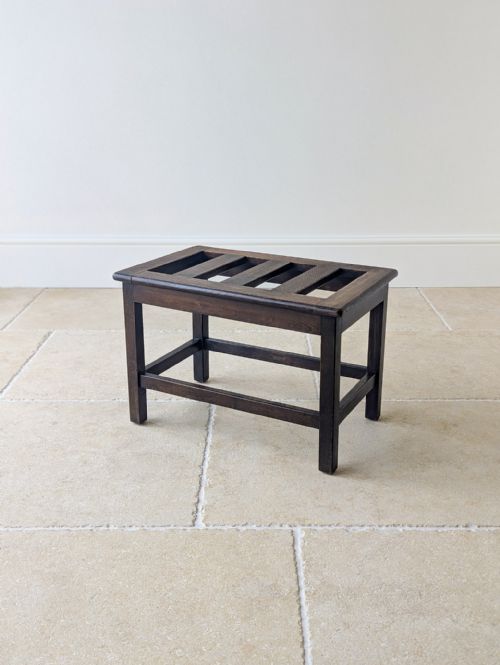
One polished oak luggage rack carries the distinct provenance of a former West End hotel, ready for travellers once again.
What varies in quality
Quality differences lie in the selection of timber grain, the crispness of hand-carved elements, and the integrity of the original construction. Pieces exhibiting thoughtful proportion and uncompromised structural density stand apart from simpler utilitarian items.
The execution of secondary details, such as brass fittings or bevelled glass, distinguishes standard domestic examples from finer hotel or country house commissions.
The Oak Bedroom Stand Glossary
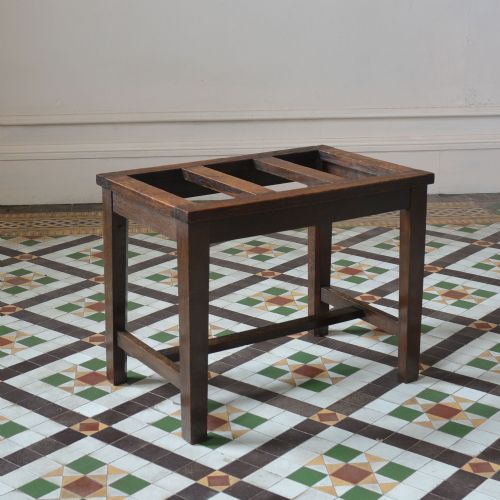
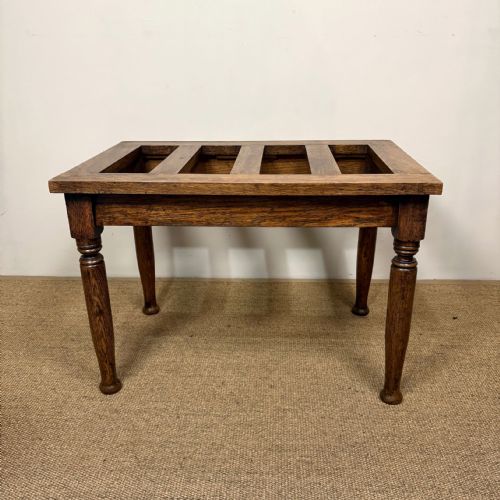
- Luggage stand
- A low folding or fixed wooden rack designed to hold a suitcase off the floor at a convenient height for packing.
- Cheval mirror
- A freestanding full-length dressing glass mounted in a pivoting frame between upright posts.
- Washstand
- A chamber table or cabinet fitted to hold a basin, jug, and washing accessories before plumbed bathrooms became standard.
- Chest on stand
- A drawer chest raised upon a separate supporting frame with legs, typical of earlier cabinet designs.
- Arts and Crafts
- A design movement valuing honest construction, visible handcraft, and simple materials over machine-made ornamentation.
Oak Bedroom Stand: Frequently Asked Questions
What is an oak bedroom stand used for?
These pieces serve practical functions in domestic spaces, primarily holding luggage, supporting washbasins, or providing surface space for lamps and dressing items.
They bring traditional craftsmanship into modern bedrooms while retaining their original utilitarian purpose.
How do I identify an Edwardian oak piece?
Edwardian examples typically display lighter oak tones and simpler lines compared to heavier Victorian furniture. They reflect the domestic fashions of the early twentieth century.
Construction methods from this period often balance mass production with traditional joinery techniques.
Where were these stands placed originally?
Luggage racks and dressing mirrors stood in guest bedrooms or hotel suites to assist travellers with unpacking and dressing. Washstands occupied dressing rooms before the widespread installation of indoor plumbing.
Larger chests on stands were positioned in primary bedchambers for clothing storage.
How do I care for antique oak furniture?
Maintain oak surfaces by dusting regularly with a dry cloth and occasionally applying natural beeswax to nourish the timber. Avoid placing pieces near direct heat sources or strong sunlight.
Proper humidity control prevents the wood from drying out or splitting over time.