




Nineteenth Century Pearlware Pottery
Nineteenth century pearlware pottery brings domestic tables and figures from the Georgian era alive with rich blue and white prints and bright enamel colours.
Nineteenth Century Pearlware Pottery
Nineteenth century pearlware pottery encompasses a diverse selection of useful and decorative wares produced across English potteries during the Georgian and Regency periods. Buyers searching this phrase encounter plates and dishes, sauce tureens with stands, chestnut baskets, desk accessories, and figural groups.
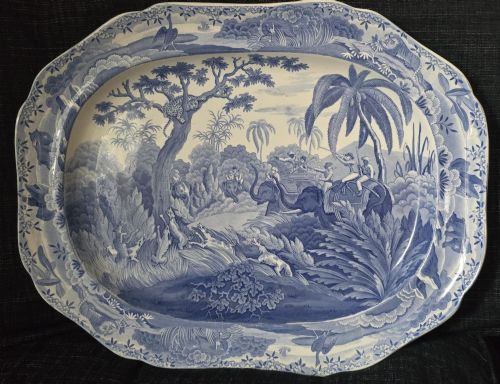
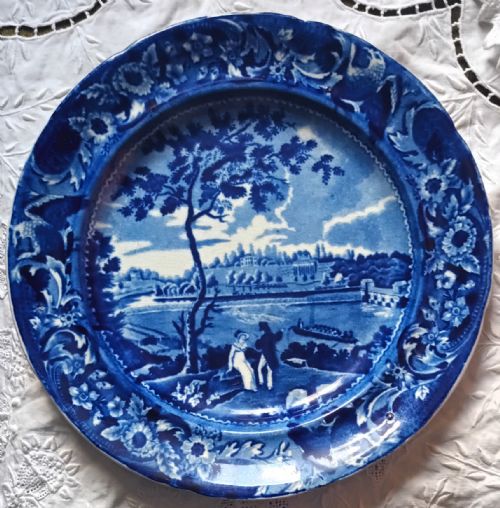
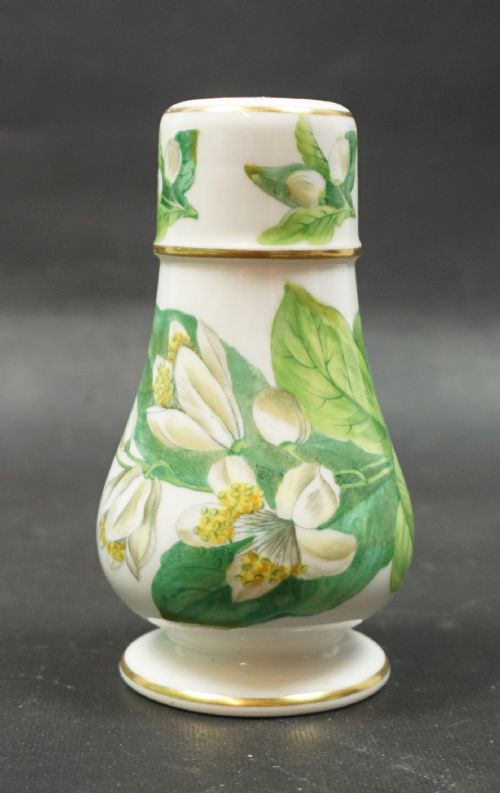
The most common forms on this page include blue and white transfer printed plates and earthenware jugs, alongside moulded figures depicting biblical scenes, literary figures, and historical subjects. These objects range from everyday kitchen and dining wares to finely painted botanical tureens and commemorative pieces.
Materials and technique
Potters built these pieces using refined earthenware bodies covered in a characteristic slightly bluish glaze that pooled in recesses to create the distinct pearl-like tint. Potters applied designs through hand painting in enamels or by transferring printed copperplate impressions onto the ceramic surface before firing.
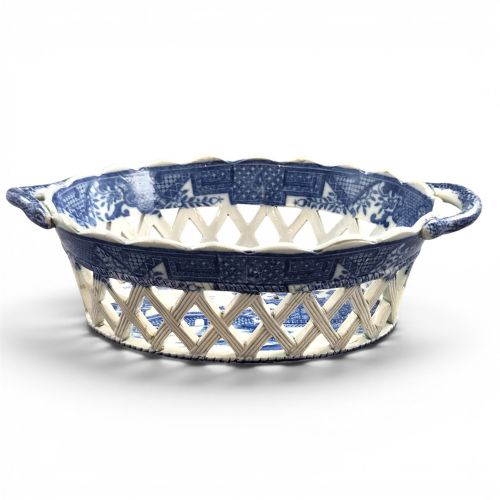
Many items incorporate additional embellishments such as purple lustre washes, gold leaf highlights, and reticulated pierced work on baskets and plates. Potters shaped utilitarian wares and figures in moulds before adding applied details and hand-finished touches.
Nineteenth Century Pearlware Pottery Retail Price Guide 2026
Typical asking prices for nineteenth century pearlware pottery among the pieces listed under this phrase on Sellingantiques today, from the lower quarter to the upper quarter. They describe what is for sale here now, not the wider market.
A frog lurks inside the bottom of the Winchester Measure mug, designed to surprise an unsuspecting drinker as the liquid empties.
Quality and execution
Quality in these ceramics rests upon the crispness of the transfer print and the skill of the hand-applied enamel painting. Finer examples display sharp, detailed lines in complex pictorial scenes and precise brushwork on botanical subjects.
The sophistication of the modelling distinguishes standard production figures from superior sculptural pieces like busts and theatrical pairs. Careful control during the glazing and firing processes determines the clarity of the bluish tint and the evenness of the final surface.
Swansea·Spode·Stubbs·William Adams·Thomas Lakin·John Rogers and Son
The Nineteenth Century Pearlware Pottery Glossary
- Pearlware
- A refined earthenware developed by English potters to imitate Chinese porcelain, featuring a glaze with a subtle blue tint. This glaze formulation successfully masked the yellowish tone of the underlying clay body.
- Transfer printing
- A decoration technique where an engraved copper plate transfers a printed design onto tissue paper, which is then applied to the ceramic body. This method allowed intricate topographical and pictorial scenes to be produced rapidly.
- Lustreware
- Pottery decorated with a metallic film that produces an iridescent sheen, often applied in purple or copper tones over a pearlware base. It creates a reflective surface that catches the light.
- Pounce pot
- A small container with a perforated lid used to sprinkle fine sand or powder over ink to dry it. These desk accessories formed part of a gentleman's writing set.
- Reticulated
- Describes ceramics featuring an openwork lattice or pierced pattern, commonly seen on decorative chestnut baskets and plates. This demanding technique required careful cutting of the clay before firing.
Nineteenth Century Pearlware Pottery: Frequently Asked Questions
What is pearlware?
Pearlware is a type of refined earthenware developed in the late eighteenth century as an improvement over creamware. It uses a thin lead glaze containing a small amount of cobalt to give the white body a pale bluish cast that resembles Chinese porcelain.
Potters used pearlware extensively for blue and white transfer printed tableware, painted botanical specimens, and brightly enamelled figures throughout the Georgian era.
How can I tell the period?
Dating relies on the stylistic markers of the design, the shape of the object, and the manufacturing characteristics of the ceramic body. Earlier pieces often feature hand-painted botanical or Chinese-inspired motifs under the bluish glaze, while later pieces adopt dense historical or topographical transfer prints.
Maker marks, impressed numerals, and named patterns provide further clues to the decade of manufacture. Comparing the potting weight and glaze pooling helps distinguish Regency production from later nineteenth-century wares.
Were these items used daily?
Many pearlware items served practical functions in the dining room and parlour, including sauce tureens, plates, jugs, and pounce pots for writing desks. Families used these durable earthenware vessels for everyday meals and household administration.
Other forms, such as theatrical figures and decorative busts, were intended strictly for display on mantelpieces and shelves. Even functional tableware often found a secondary role as decorative cabinet pieces due to the colourful prints.