


Nineteenth Century French Sculpture
Nineteenth century french sculpture brings classical figures, animal studies, and decorative bronzes into a room with distinct historical weight.
Nineteenth Century French Sculpture
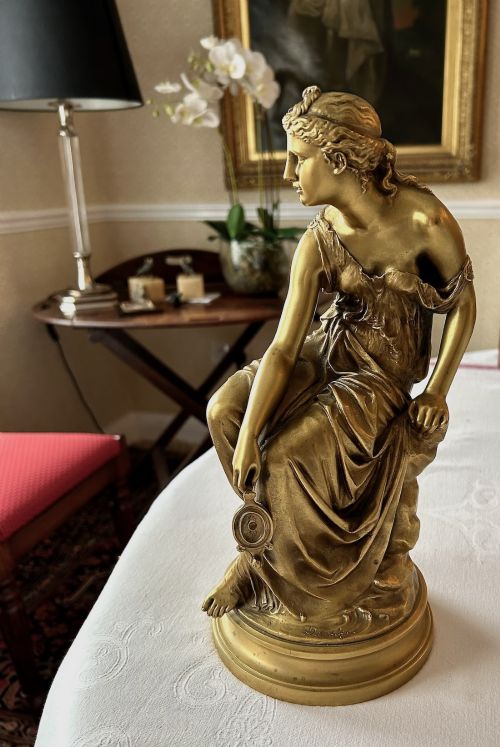
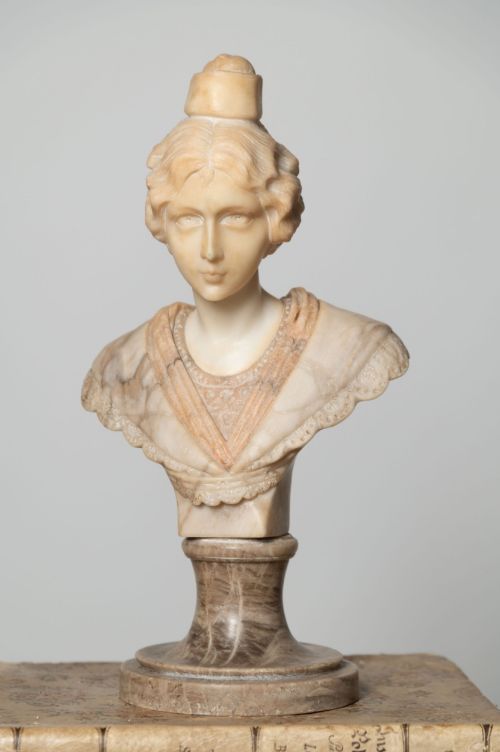
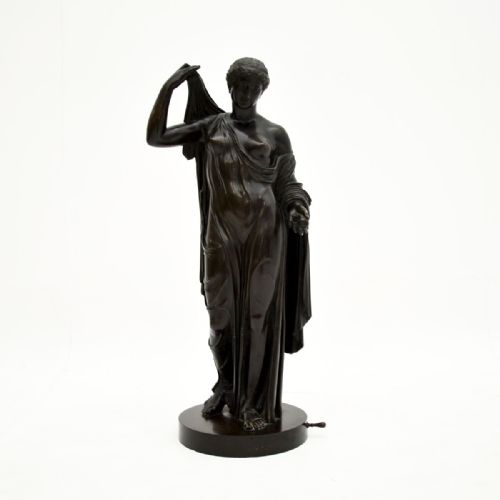
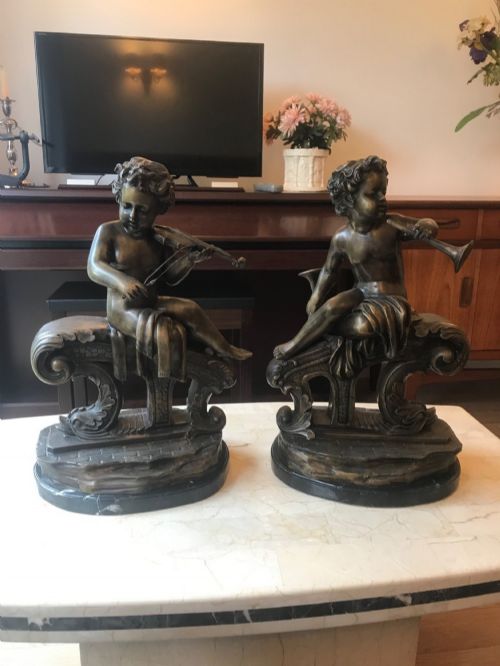
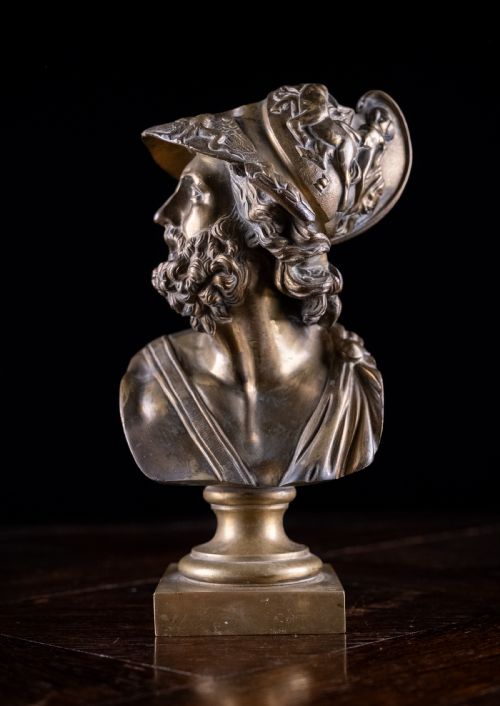
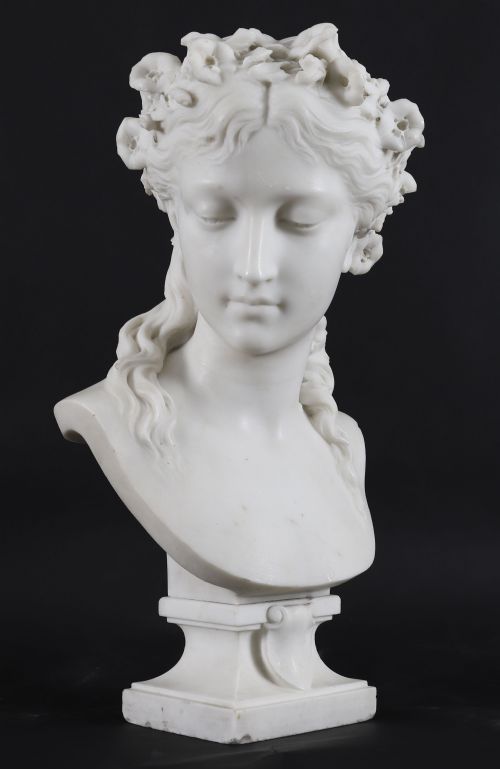
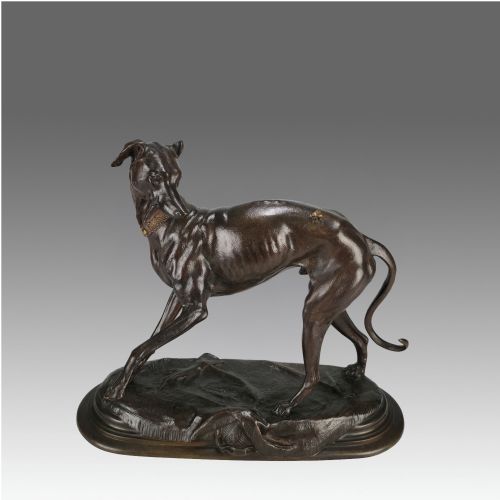
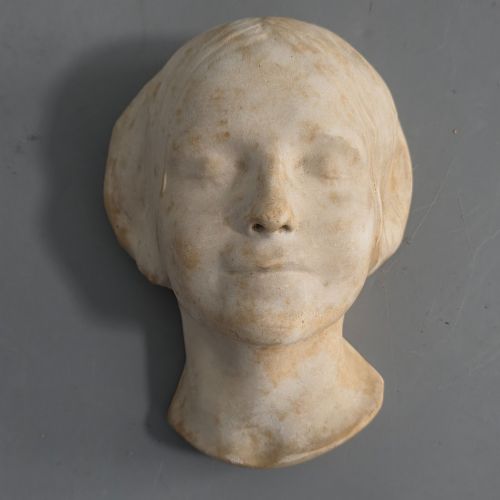
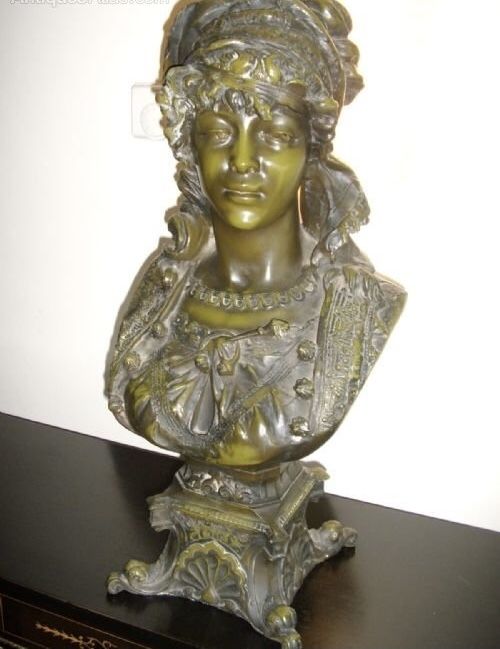
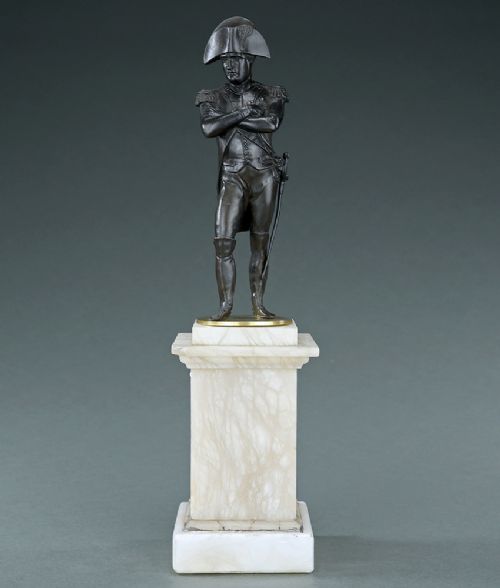
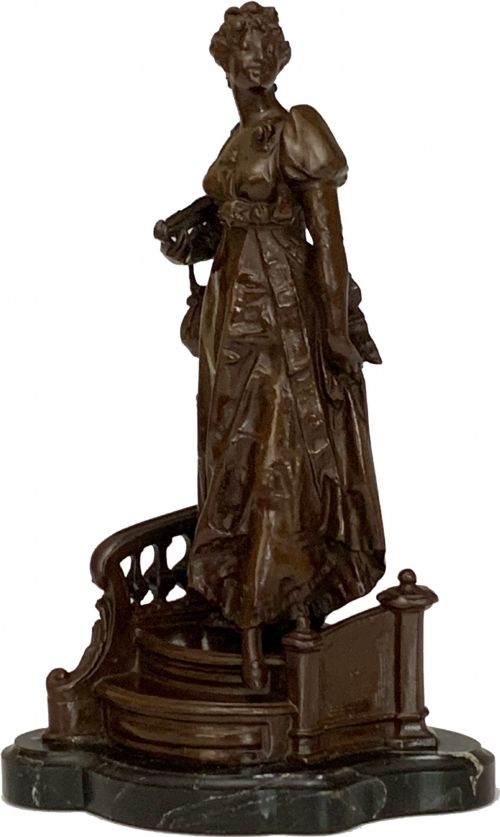
Nineteenth century french sculpture encompasses busts, full figures, mantel clocks, and architectural elements originating from workshops across France. The selection includes classical figures, mythological subjects, animalier studies of wildlife, and portrait busts.
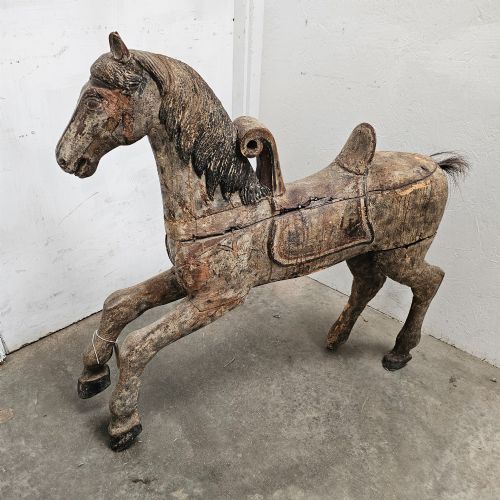
The materials span patinated and gilt bronze, marble, alabaster, terracotta, cast iron, and carved wood. Pieces range from small cabinet figures to monumental decorative works paired with marble plinths or columns.
Materials and casting
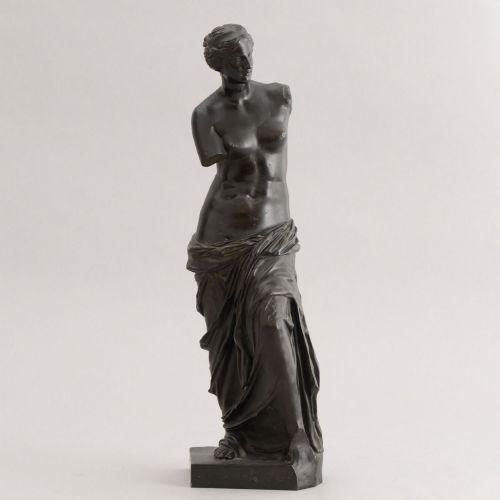
Foundries utilised traditional methods such as the lost-wax technique or sand casting to shape molten bronze into intricate figures and animal studies. Finished surfaces received hand-applied patination or fire gilding to create depth and texture.
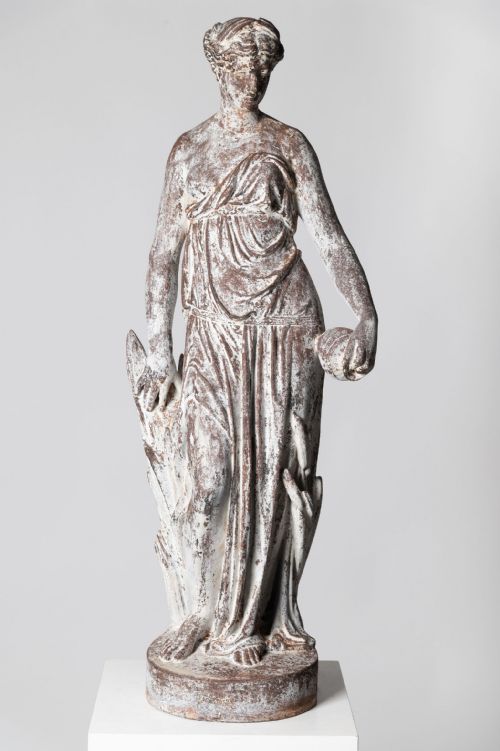
Carved works emerged from blocks of Carrara marble, alabaster, and native timbers, while ceramic and terracotta pieces were moulded and fired. Cast iron statues required specialised industrial foundries like Val d'Osne for large architectural output.
Listings feature nineteen-century french sculpture in bronze, marble, alabaster, and cast iron across neoclassical and art nouveau styles.
Execution and detail
Quality rests in the crispness of the chase work, where skilled hands refined the cast metal to define hair, drapery, and facial expressions. Softer definition in these areas indicates a secondary cast or hurried finishing.
The choice of base materials, such as solid verde antico or rouge marble columns and heavy cast mounts, alters the presence of the sculpture. Superior patination and signed foundry stamps provide additional evidence of workshop standards.
Etienne-Henri Dumaige·Eugene Aizelin·Alfred Barye·Emile Guillemin·Georges Van Der Straeten·Auguste Moreau·Victor Peter·Charles Anfrie·Jean Jules Salmson·Emile Picault·Emile Laporte·Barbedienne·Louis Auguste Moreau·Auguste Nicholas Cain
The Nineteenth Century French Sculpture Glossary
- Animalier
- A style focusing on realistic depictions of animals, particularly predators and domestic beasts in motion. This genre gained immense popularity in France during the nineteenth century.
- Patinated bronze
- Metal treated with chemical solutions to produce a specific surface colour, ranging from deep brown to green. This layer protects the metal and adds visual richness.
- Lost-wax casting
- A method where a wax model is melted from a mould and replaced with molten metal. It allows for high fidelity and intricate undercut details.
- Gilt bronze
- Bronze coated with a thin layer of gold using mercury amalgamation or electrochemical methods. It yields a bright, durable golden finish.
- Terracotta
- Fired unglazed clay used for sculptural models and finished figures. It offers a warm, earthy tone favoured for expressive portraiture.
Nineteenth Century French Sculpture: Frequently Asked Questions
How do I identify nineteenth century french sculpture?
Examine the signature, foundry marks, and style against known nineteenth century french sculpture records. Foundry stamps and artist incisions often appear near the base.
The choice of patination, casting weight, and material finishes also help determine the period and origin of the piece.
Were these sculptures made for domestic display?
Many nineteenth century french sculpture pieces were produced for bourgeois drawing rooms as mantel decorations or cabinet ornaments. Monumental bronzes and marble columns also graced grand entrance halls.
Clock sets and inkstands combined utility with sculptural artistry for daily use on desks and mantelpieces.
What is the animalier style?
Animalier refers to realistic depictions of animals interacting or resting, popularised by French artists observing nature. These works capture creatures with anatomical precision and dynamic movement.
Bear cubs, hunting hounds, and horses frequently appear in this genre.
How should I care for bronze and marble?
Dust bronze surfaces gently with a soft cloth and avoid abrasive cleaners that strip the patination. Marble requires simple wiping with a damp cloth to prevent dust accumulation in carved recesses.
Keeping pieces away from direct heat sources protects stone veins and metal finishes.