


Nineteenth Century Frames
Nineteenth century frames hold the mirrors, paintings and silhouettes that give a room its period focal point.
Nineteenth Century Frames
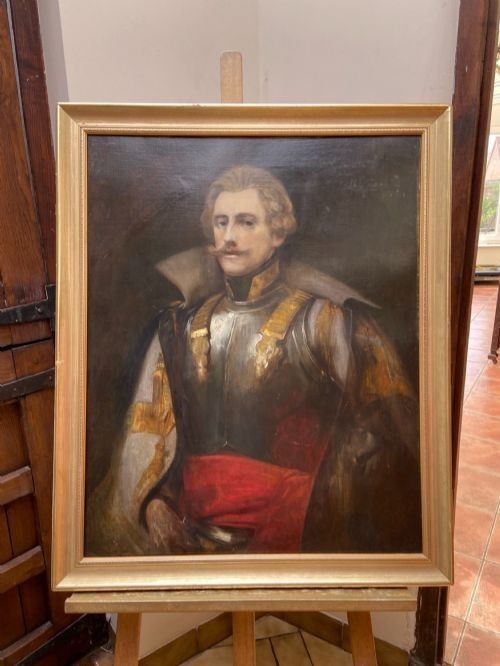
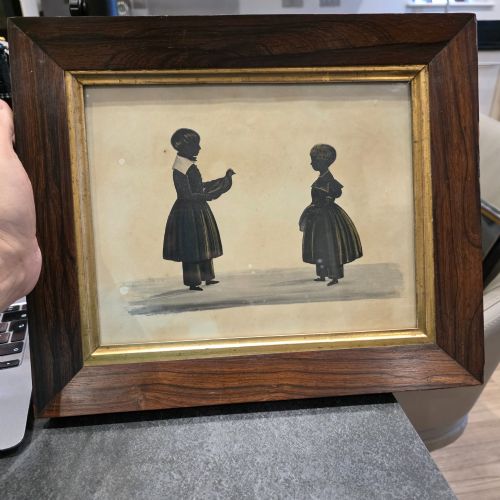
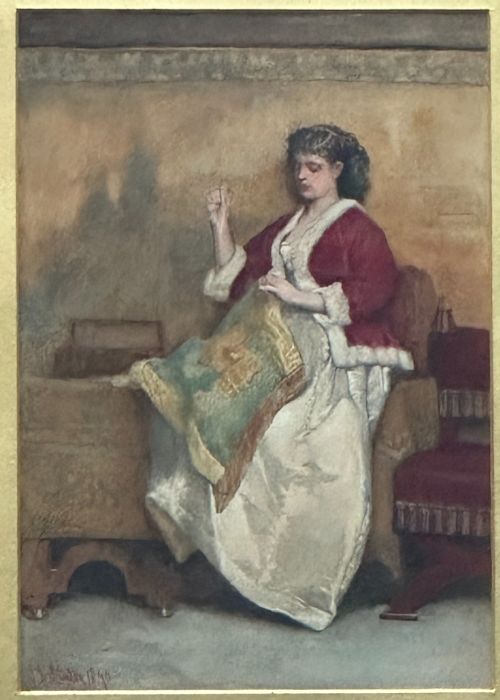
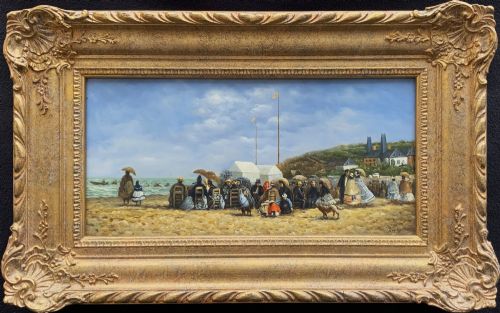
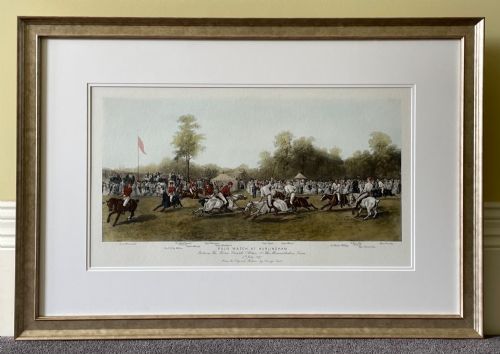
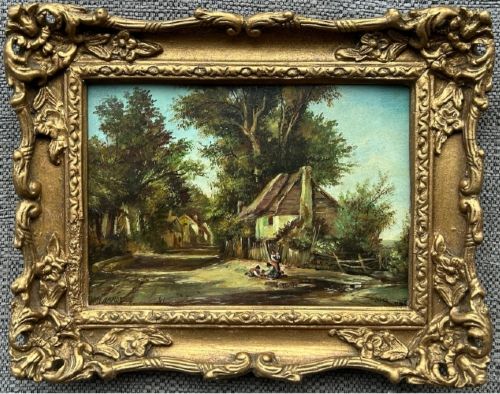
When you search for nineteenth century frames, you encounter enclosures designed for mirrors, oil paintings, watercolours, and silhouettes. These items originate from the Victorian, Regency, and broader nineteenth century eras, reflecting the decorative tastes of British, French, and Russian makers.
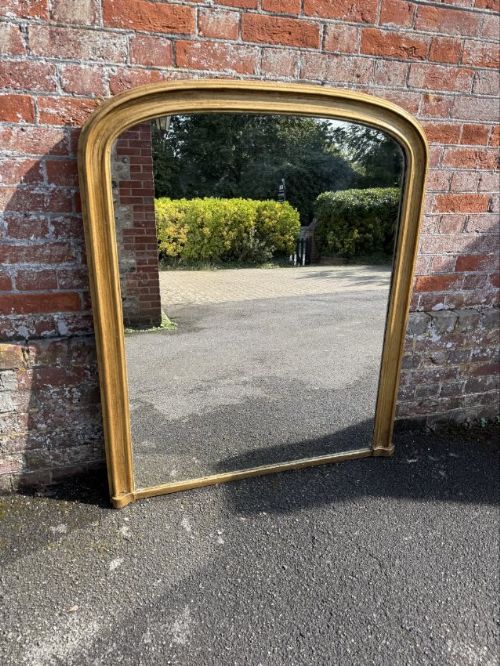
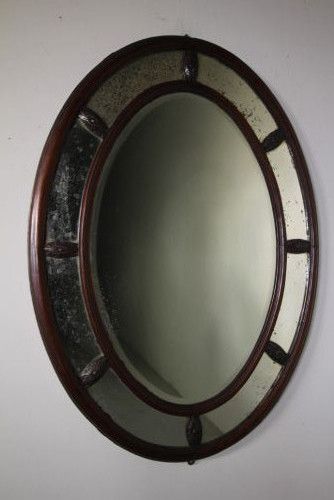
The forms range from grand arched top overmantels to slender portrait mouldings and Hogarth profiles. They appear in country houses and town settings alike, often bearing the characteristic decorative flourishes of their period.
Materials and Construction
Makers built the structural core of these pieces from timber such as mahogany or carved wood, providing a stable foundation for decorative surface treatments. Artisans then applied layers of gesso to carve intricate details like acanthus leaves and ribbed patterns directly onto the surface.
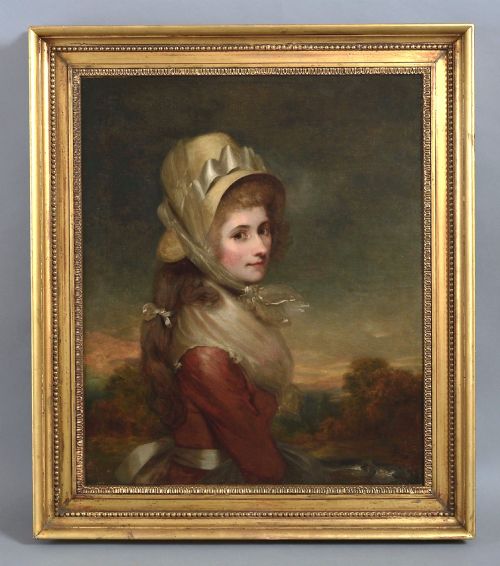
Gilt leaf and gilding were applied over the gesso to create the luminous metallic finish characteristic of the era. Glass and oil on canvas were subsequently fitted into these housings, secured by traditional backing methods.
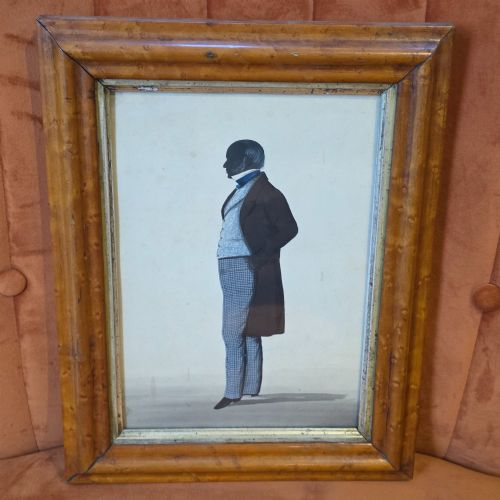
One gentleman silhouette was hand-cut with such fine precision that viewers still lean in close to inspect the waistcoat buttons.
Factors of Quality
The depth and crispness of the hand-carved gesso ornamentation separate standard production from superior examples. Sharp, well-defined foliage and moulding demonstrate the skill of the original artisan.
The integrity of the original gilding and the preservation of the underlying wooden substrate dictate the overall character of the piece. Traces of original materials and uncompromised structural joins elevate the standing of a frame.
Sir Martin Archer Shee·Sir James Dromgole Linton·William Howard Hardy·Robert Heinrich·Oliver Clare·James Kay·Alfred Pollentine·Francis Moltino·John Horace Hooper
The Nineteenth Century Frames Glossary
- Gesso
- A plaster-like mixture applied to wood surfaces as a base for carving and gilding. This material allows artisans to fashion raised decorative motifs before applying gold leaf.
- Giltwood
- Wood that has been coated with gold leaf or a gold-coloured finish. It provides the reflective, opulent surface seen on many period mirrors and picture surrounds.
- Overmantel mirror
- A large wall glass designed to hang specifically above a fireplace mantelpiece. These pieces frequently feature arched tops and extensive decorative moulding.
- Trumeau
- A decorative wall mirror paired with an oil painting or panel within a single frame. This French form integrates artwork and reflective glass into one architectural unit.
- Hogarth frame
- A dark, ogee-profile wooden moulding commonly used for prints and engravings. The distinct curved profile creates a subtle border that draws the eye inward.
Nineteenth Century Frames: Frequently Asked Questions
What fits inside nineteenth century frames?
These surrounds accommodate period oil paintings, watercolours, lithographs, silhouettes, and mirrors. Many retain their original contents from the Victorian and Regency eras.
Artisans tailored the interior dimensions to standard canvas sizes or specific commission requirements of the time.
How do I hang a heavy overmantel mirror?
Due to the substantial weight of wood, gesso, and glass, these pieces require secure anchoring into wall studs or masonry. Professional fixings matching the weight distribution are essential for safe installation.
The original hanging loops on the reverse should be inspected by a specialist before mounting.
Can I change the mirror glass?
While original glass often displays period foxing and imperfections that collectors prize, some pieces require replacement mirrors for practical use.
Glaziers can fit modern or antiqued mirror plates into the historic rebate without altering the external structure of the frame.
How do I date a nineteenth century frame?
Stylistic indicators such as acanthus leaf motifs, ribbon twists, or grand regency proportions point to specific decades within the 1800s. The construction methods on the reverse, including corner joins and backing boards, also reveal the period of manufacture.
Comparing the moulding profile to documented examples helps narrow down the exact decade of origin.