

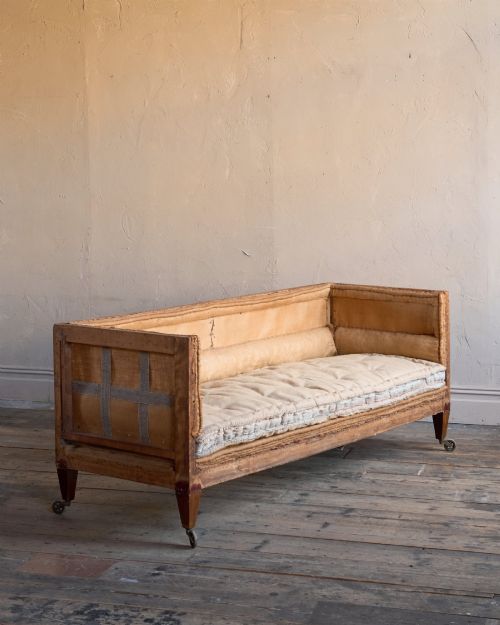
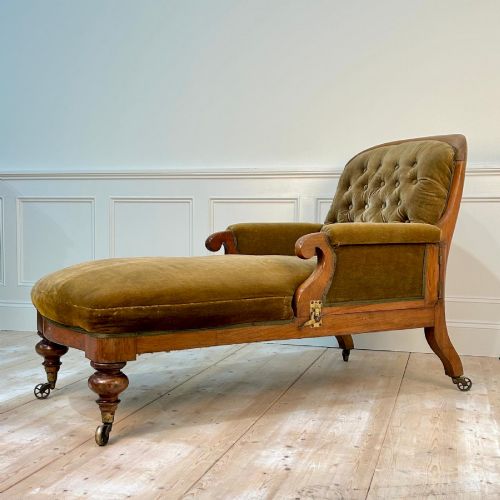
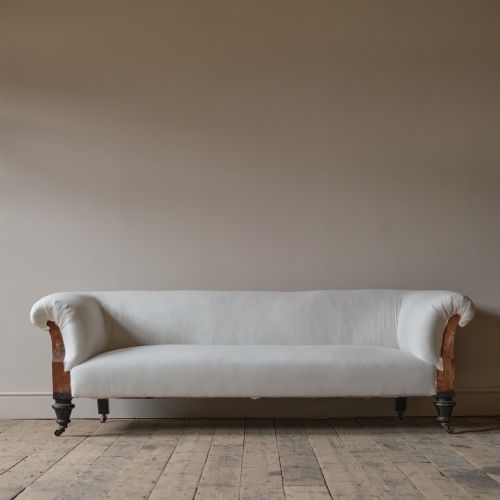
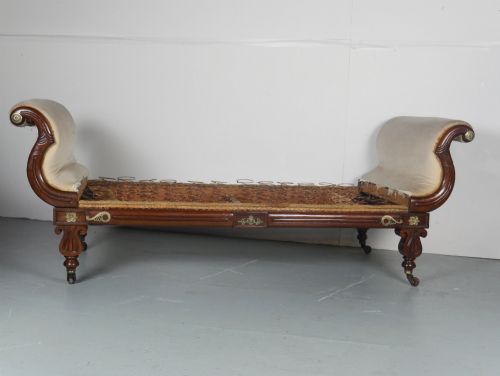
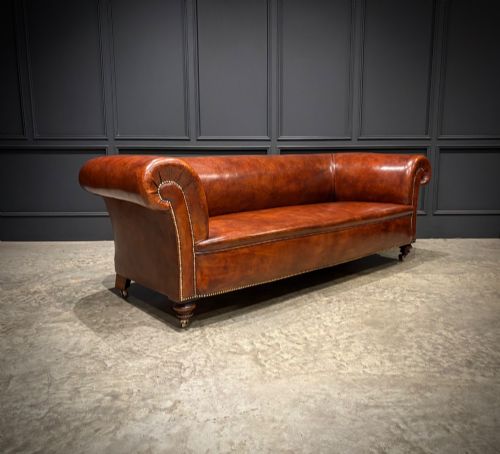


Nineteenth Century Couch
A nineteenth century couch brings a singular presence to a room, offering deep seating shaped by Victorian, Regency, and Aesthetic tastes.
Nineteenth Century Couch
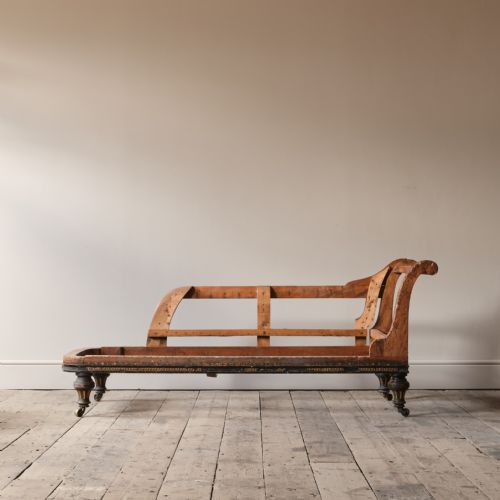
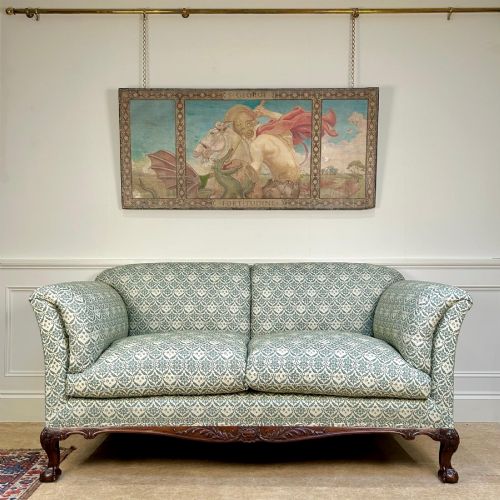
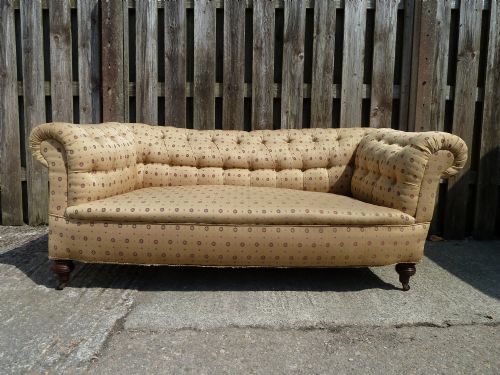
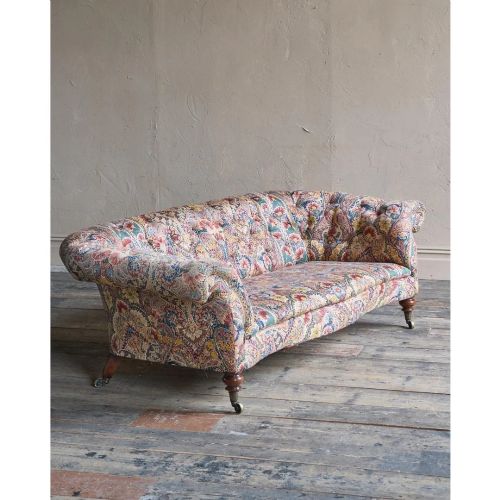
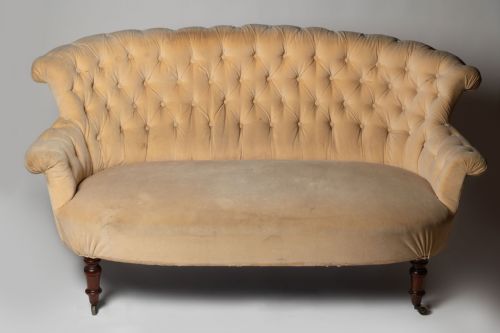
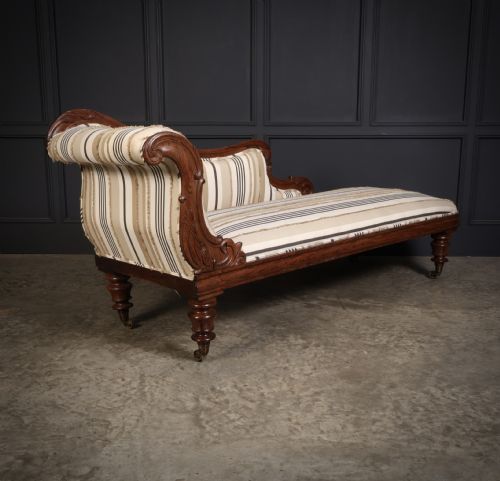
A nineteenth century couch encompasses various forms including chaises longues, daybeds, settees, and deep-seated Chesterfields. These pieces emerge from periods spanning the Regency era through the late Victorian years, reflecting diverse domestic functions.
The materials recorded in these pieces include mahogany, rosewood, ebonised wood, and walnut, paired with upholstery in leather, velvet, silk, and woven fabric. Brass mounts, ormolu, and carved wooden details frequently finish the frames.
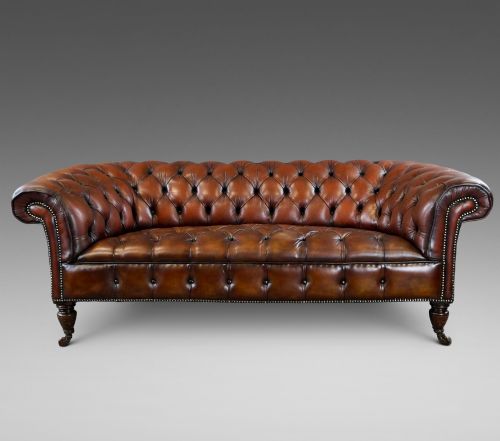
Buyers will most commonly encounter Victorian and Regency examples, particularly button-backed mahogany chaise longues and heavy leather Chesterfees. These forms dominate the current selection alongside French Empire revival and Aesthetic movement designs.
Construction and Materials
Frames rely on solid timbers such as mahogany, walnut, and rosewood, sometimes ebonised or finished to simulate rarer woods. Joinery follows traditional cabinet-making methods designed to support heavy upholstery and active daily use.
Upholstery techniques involve deep buttoning, scroll ends, and intricate fabric work using velvet, leather, and silk. Decorative metal elements like brass castors and ormolu mounts are secured directly to wooden frames and scroll arms.
Nineteenth Century Couch Retail Price Guide 2026
Typical asking prices for nineteenth century couch among the pieces listed under this phrase on Sellingantiques today, from the lower quarter to the upper quarter. They describe what is for sale here now, not the wider market.
Listings feature eighteenth and nineteenth century periods, utilising mahogany, brass, leather, velvet, and ebonised wood across various sofa and settee forms.
Assessing Quality
The refinement of timber carving and the integrity of the underlying frame define the upper tier of these seating pieces. Heavier woods and substantial mahogany structures command greater respect than simpler softwood internal framing.
The execution of upholstery details, from the precision of button-backing to the quality of the textile, separates standard domestic output from pieces produced by premier workshops. Original mounts and uncompromised structural frames elevate the standing of any couch.
Howard and Sons·Holland and Sons·Willian Trotter
The Nineteenth Century Couch Glossary
- Chaise Longue
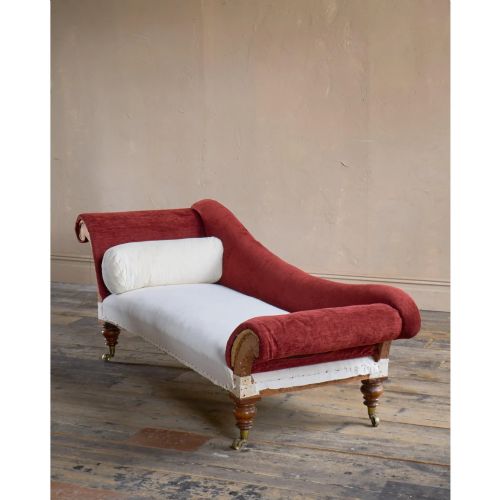
- An upholstered long chair designed for reclining, typically featuring one raised arm or backrest end. These forms were popular in nineteenth century reception rooms and boudoirs.
- Chesterfield
- A deep-buttoned sofa traditionally upholstered in leather, characterised by arms and back of the same height. This style offers a sturdy silhouette suited to studies and libraries.
- Ormolu
- Gilded bronze mounts applied to furniture for decoration, commonly found on French Empire revival pieces. The technique adds metallic contrast to dark mahogany and walnut frames.
- Scroll End
- A curved terminal on the arm or back of a settee or daybed, echoing classical architectural forms. It defines much of the Regency aesthetic seen in nineteenth century seating.
- Aesthetic Movement
- A late nineteenth century design style prioritising artistic expression, visible in bespoke upholstery and eclectic ornamentation. Pieces from this movement often incorporate distinct decorative fabrics.
Nineteenth Century Couch: Frequently Asked Questions
How do I care for nineteenth century leather?
Leather upholstery requires gentle cleaning with appropriate conditioners to maintain flexibility and prevent the surface from drying out over time. Avoid placing these pieces in direct sunlight or near heat sources.
Regular dusting with a soft cloth preserves the finish. Professional conservation is recommended for older hides showing signs of distress.
Can I use a chaise longue daily?
These pieces were built for functional domestic use from the outset, utilising robust timber frames and durable joinery. Modern placement should simply respect the structural limits of vintage materials.
Ensuring even weight distribution helps protect antique frames and original upholstery webbing. Many buyers successfully integrate them into daily living spaces.
What is the difference between a settee and a couch?
In nineteenth century terminology, a settee generally denotes an upholstered bench designed for multiple people with a defined back and arms. A couch often implies a piece intended for reclining, such as a chaise longue or daybed.
Regional and period naming conventions frequently overlap between these terms. Examining the physical shape of the backrest provides the clearest guide to its intended use.
How do I identify Regency style?
Regency furniture draws heavily on classical Greek and Roman motifs, featuring clean lines, simulated rosewood, and scroll ends. The aesthetic feels lighter and more restrained than the later heavy Victorian styles.
Brass inlays and sabre legs frequently appear on seating from this era. These design markers separate Regency pieces from mid-century Victorian alternatives.