




Nineteenth Century Bookshelf
A nineteenth century bookshelf organises a room with gravity, bringing rich mahogany, rosewood and practical tiers together for your volumes.
Nineteenth Century Bookshelf
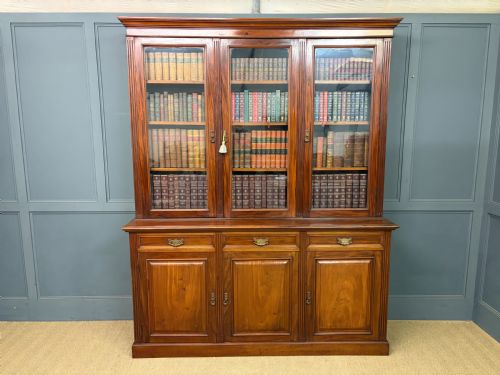
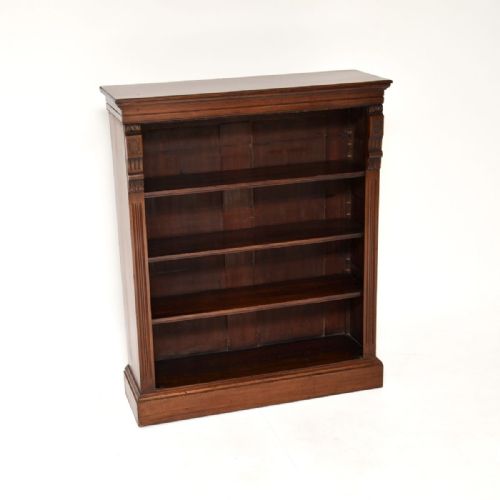
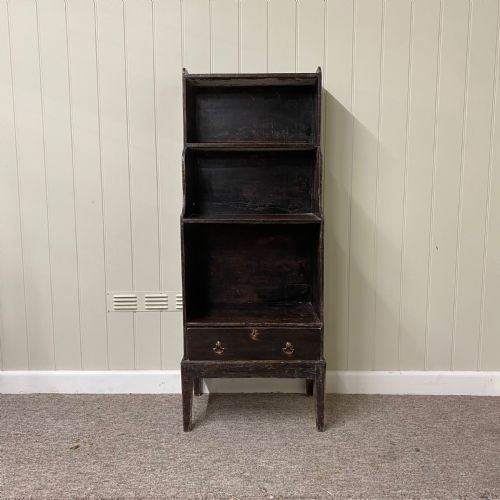
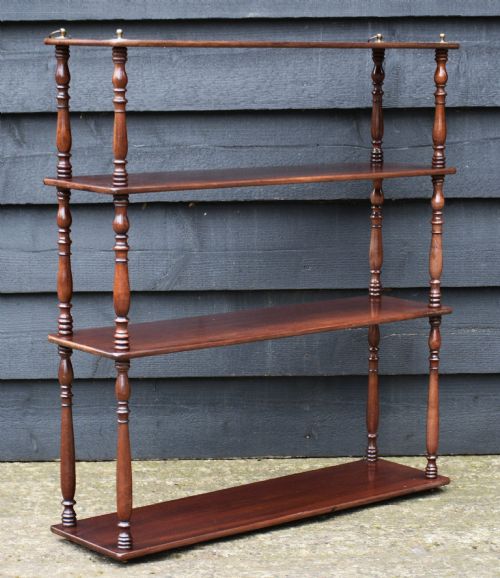
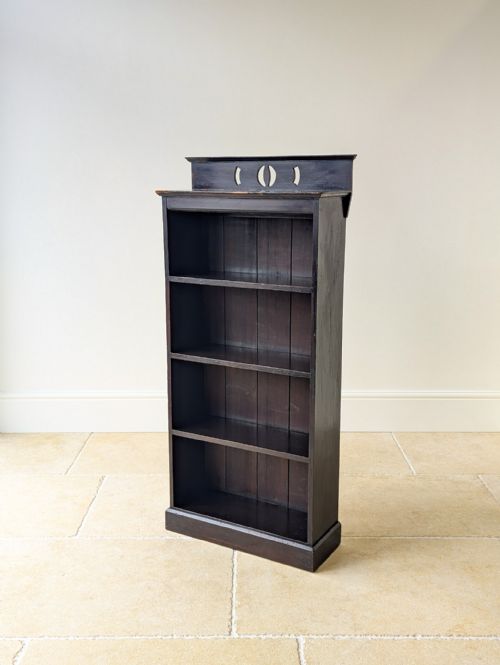
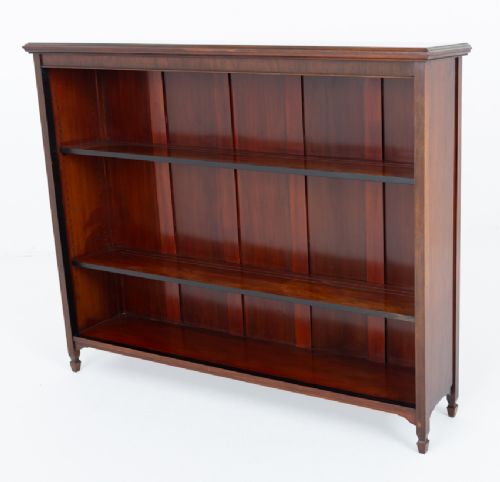
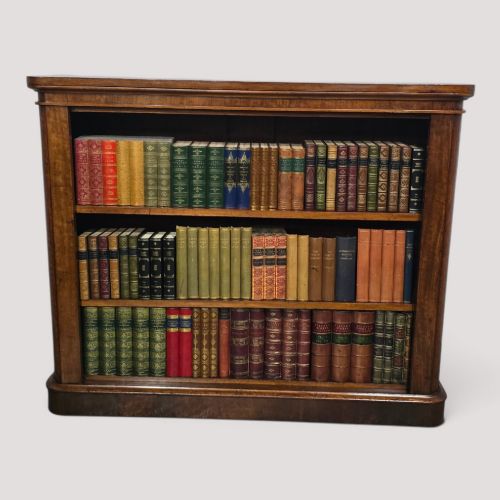
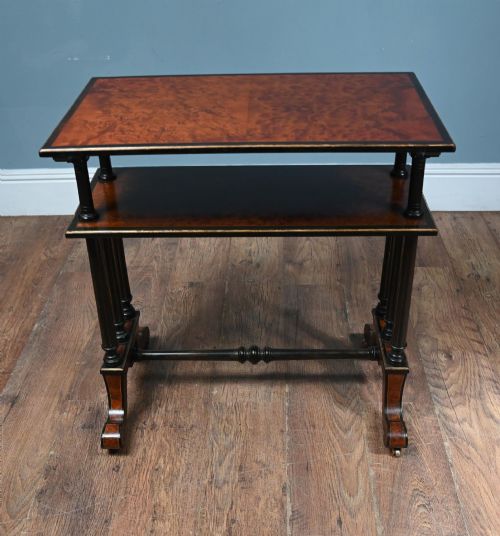
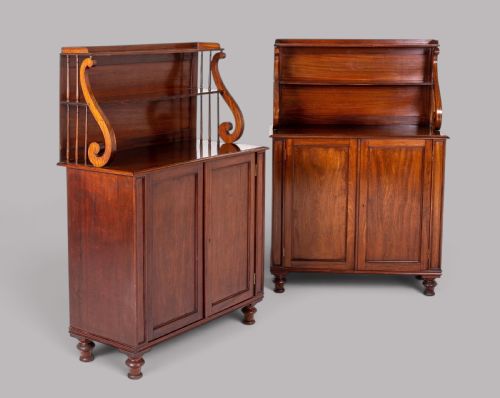
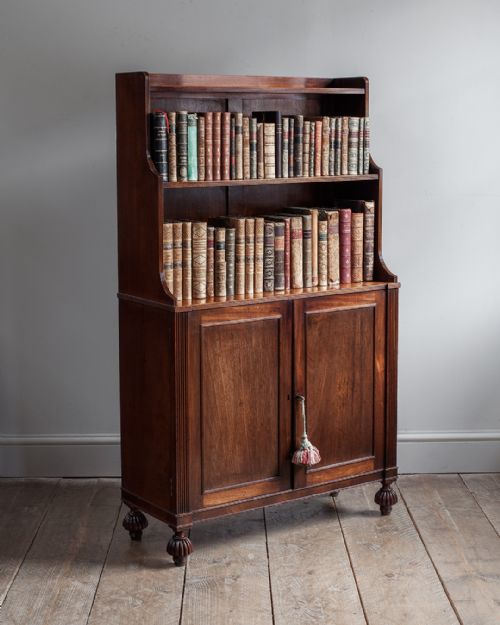
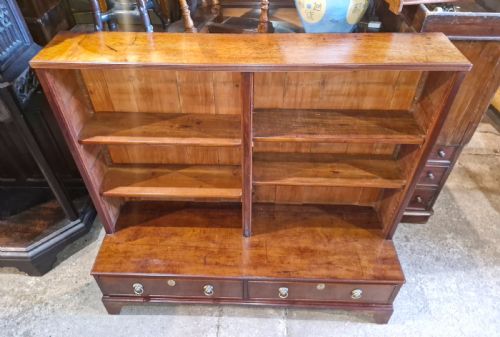
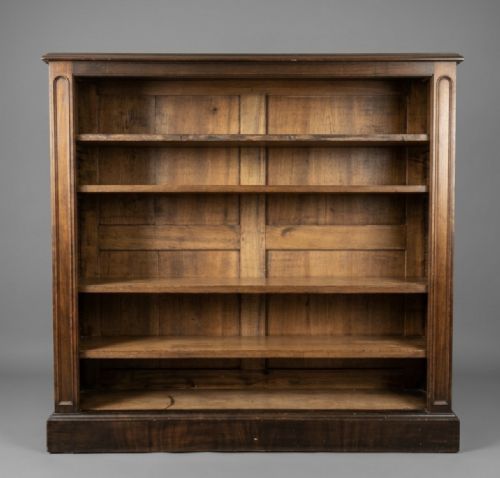
A nineteenth century bookshelf appears in several distinct architectural guises, ranging from tall library bookcases and dwarf freestanding models to multi-tiered whatnots and wall-hanging shelves. The selection on this page demonstrates how domestic storage evolved across the Georgian, Regency and Victorian eras to accommodate growing private libraries.
Waterfall bookcases and open library shelves dominate the forms, often constructed from solid timbers with cross-banding, boxwood stringing or ebonised details. Pieces span simple utility items in stained pine to grand breakfront floor bookcases built for formal reception rooms.
Materials and construction
Cabinet makers relied heavily on dense tropical hardwoods like mahogany, rosewood and coromandel, selected for their stability and rich grain patterns. Secondary timbers such as pine and cherry provided sturdy structural support for heavy shelf loads.
Decorative techniques include flame mahogany veneers, parcel gilding, simulated paint finishes and intricate brass mounts. Adjustable shelving systems in library pieces utilise clever wooden ratchets or brass pin mechanisms.
Nineteenth Century Bookshelf Retail Price Guide 2026
Typical asking prices for nineteenth century bookshelf among the pieces listed under this phrase on Sellingantiques today, from the lower quarter to the upper quarter. They describe what is for sale here now, not the wider market.
The listings here span the nineteenth century, featuring styles from Regency elegance to Victorian Gothic Revival in mahogany, rosewood and pine.
Quality and craftsmanship
The division between standard utility pieces and high-end cabinet work rests on the selection of timber veneers and the precision of the joinery. Fine examples display continuous grain matching across breakfront facades and delicate stringing details.
Structural integrity also separates workshop outputs, particularly in how shelves bear weight over time. Superior pieces retain original backboards, brass gallery rails and untouched polished surfaces that show age honestly.
The Nineteenth Century Bookshelf Glossary
- Waterfall bookcase
- A tiered freestanding shelving unit where each successive shelf steps back from the one below it, creating a cascading profile popular during the Regency period.
- Whatnot
- A multi-tiered open piece of furniture designed for displaying ornaments, books or small objects, sometimes fitted with a small cupboard base.
- Breakfront
- A piece of furniture where the central section projects forward from the flanking outer sections, adding architectural depth to large bookcases.
- Cross-banding
- A narrow strip of veneer applied to the edges of a shelf or top board with the grain running perpendicular to the main surface.
- Etagere
- A French term for a freestanding tiered shelf unit used for display or storing portable volumes.
Nineteenth Century Bookshelf: Frequently Asked Questions
How do I spot a Regency waterfall bookcase?
Look for graduated shelves that step back progressively from bottom to top, often supported by turned columns or shaped sides.
These pieces frequently feature mahogany timber enhanced with contrasting boxwood stringing and delicate cross-banding.
Are nineteenth century shelves strong enough for modern books?
Most library bookcases and heavy freestanding units are built from dense timbers like solid mahogany or oak, providing robust support.
Wall hanging shelves and smaller whatnot tiers suit lighter volumes or decorative display rather than heavy modern hardbacks.
What is the difference between a whatnot and a bookcase?
Whatnots are open, multi-tiered étagères designed primarily for displaying general objects and smaller books across several levels.
Bookcases focus specifically on storing bound volumes, often featuring enclosed cupboard bases or adjustable shelving systems.
How do I identify Victorian Gothic Revival pieces?
Gothic Revival items typically display architectural motifs such as pointed arches, quatrefoils and heavy oak or stained finishes.
These designs reflect a mid-nineteenth century fascination with medieval church architecture applied to domestic furniture.