


Neoclassical Light Shade
A neoclassical light shade brings architectural symmetry and classical proportion into a room, combining restrained ornamentation with functional illumination.
Materials and Construction
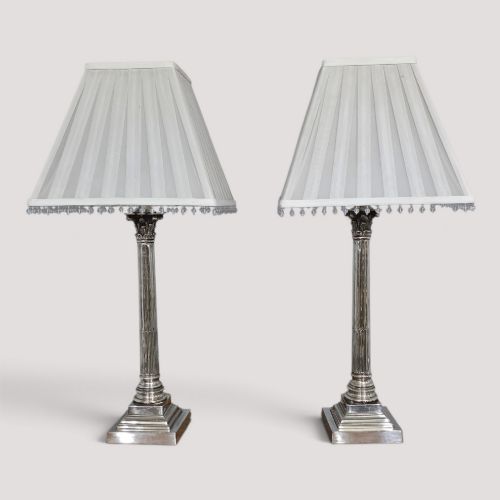
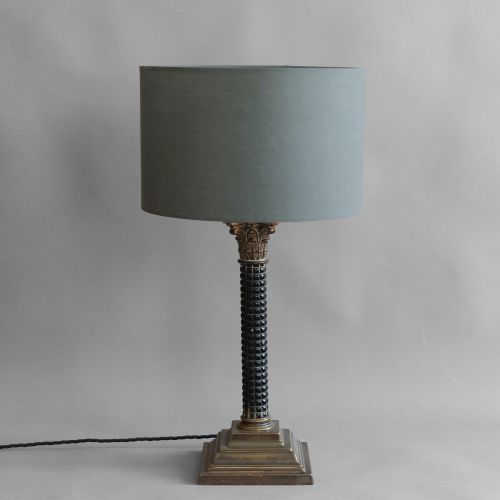
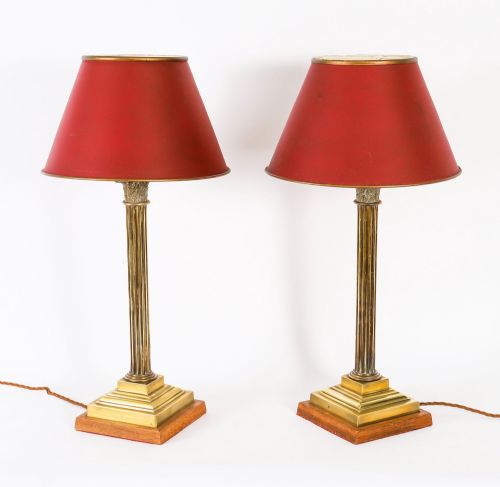
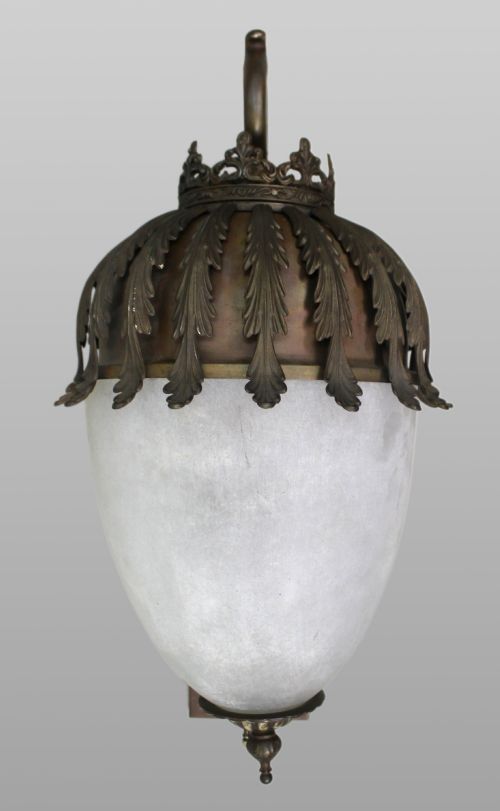
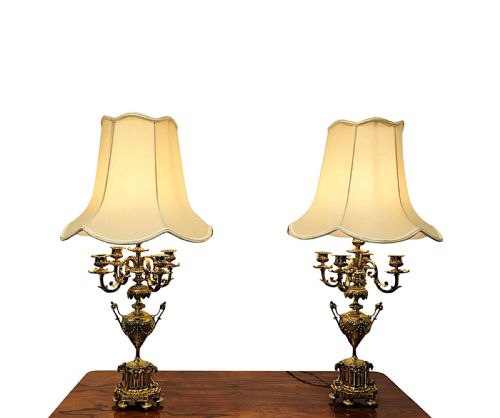
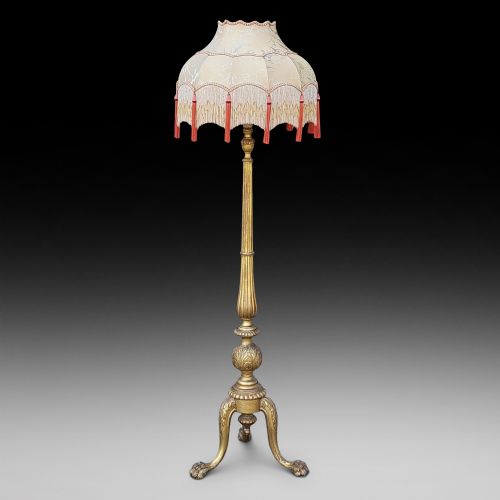
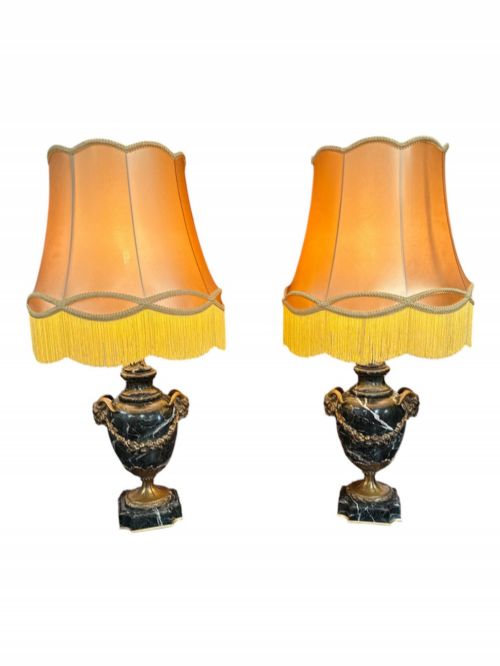
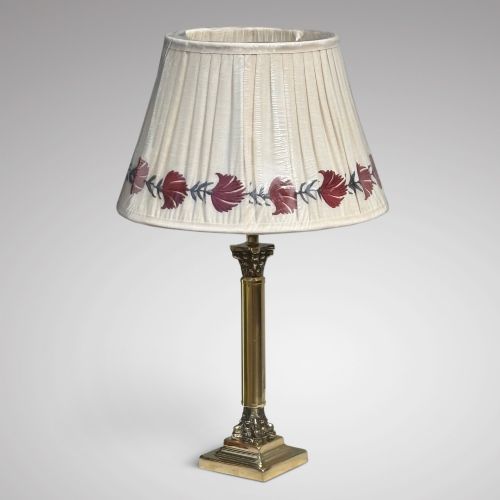
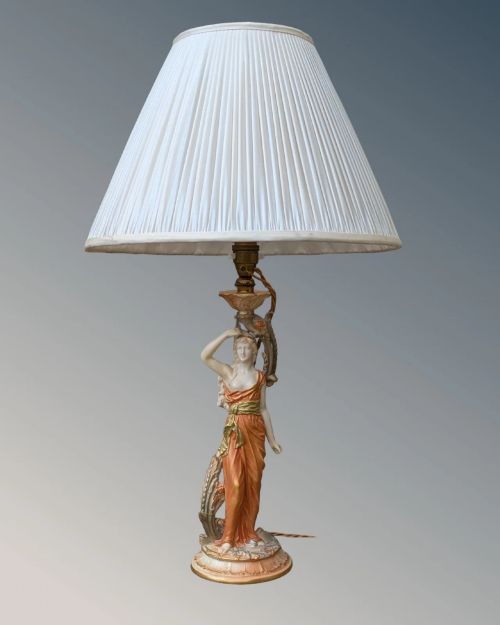
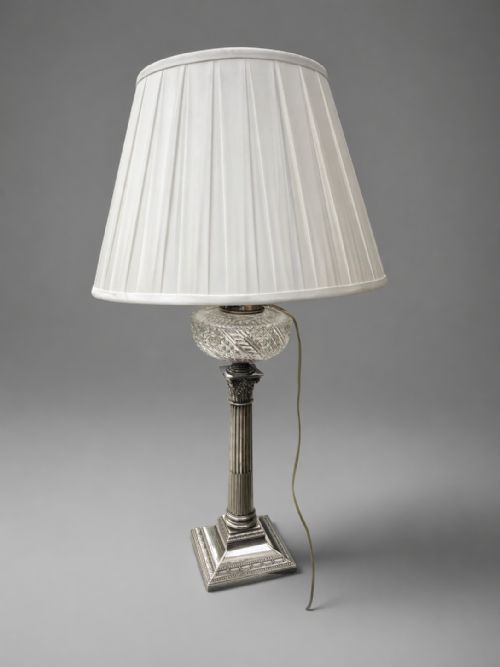
Maker workshops utilised cast brass, gilt bronze, and ormolu to construct structural frames, often integrating classical details such as Corinthian capitals, rams' heads, and paw feet.
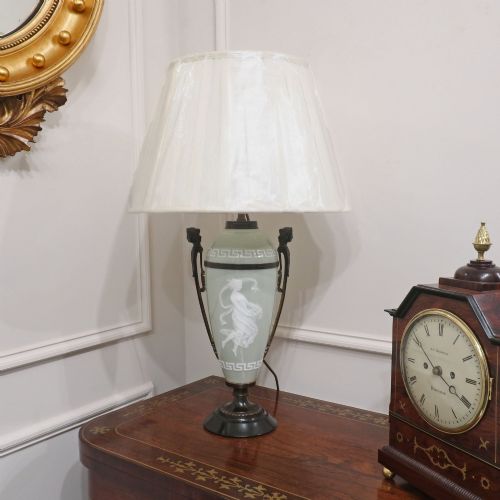
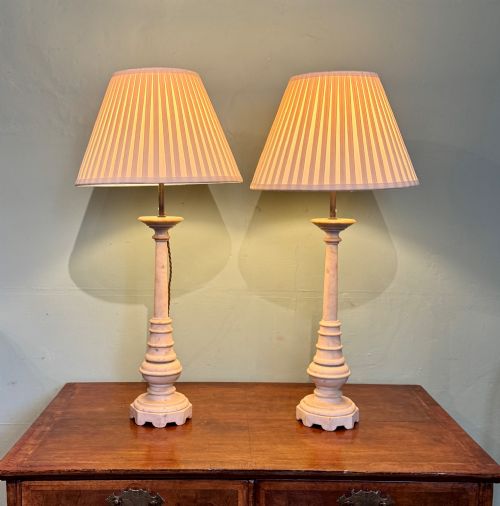
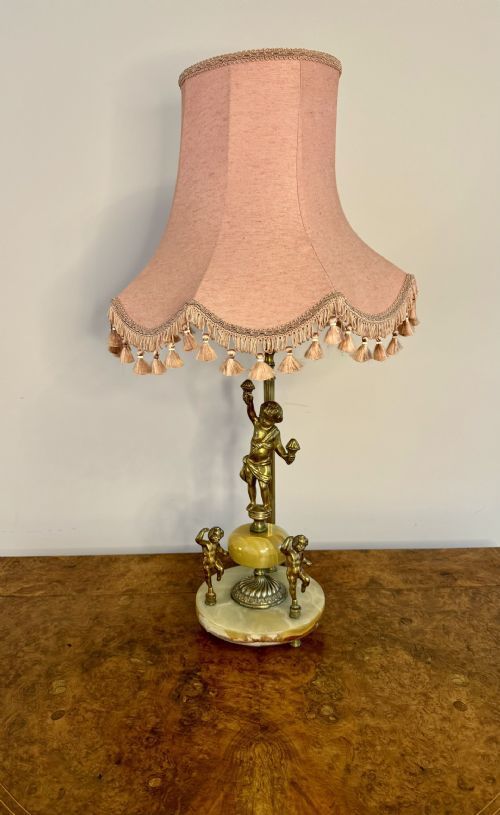
Vessels and bodies frequently incorporate white marble, alabaster, onyx, and moulded glass, paired with shades formed from fabric, silk, or painted glass to diffuse the illumination.
Assessing Craftsmanship
Quality rests upon the crispness of the casting in metal components, where chased details and precise fluting on columns distinguish superior examples from softer reproductions.
The selection of natural materials dictates refinement, visible in the translucency of the alabaster, the depth of the marble veining, and the weight of the bronze or gilt metal.
Listings feature items incorporating brass, marble, alabaster, onyx, and silk across periods spanning from the nineteenth century to the 1930s.
F. De Luca·Humphrey Hopper·Royal Worcester·Baccarat
The Neoclassical Light Shade Glossary
- Corinthian column
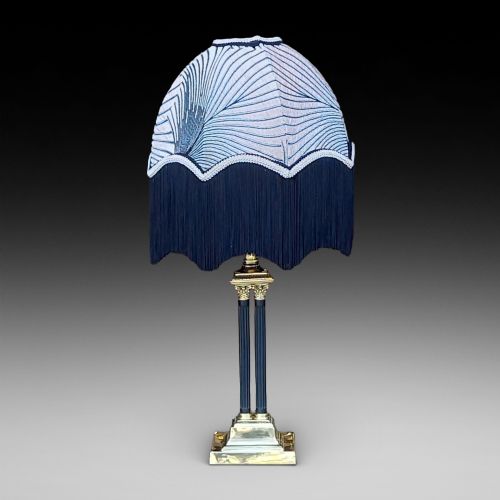
- A classical architectural column form featuring ornate acanthus leaves on the capital, frequently adapted for lamp standards and table bases. This order provides a decorative vertical emphasis.
- Ormolu
- Finely ground high-carat gold applied to a bronze base using a mercury-gilding technique, common in French neoclassical lighting. It yields a characteristic soft, warm lustre.
- Plafonnier
- A ceiling-mounted light fixture featuring a glass bowl or shade held close to the surface. These often display painted neoclassical motifs.
- Torchere
- A tall floor lamp designed to direct light upwards towards the ceiling. They frequently take the form of classical standing figures or fluted columns.
- Pate sur pate
- A ceramic decorating technique where relief designs are built up in liquid white clay upon a coloured body. This appears on porcelain lamp bodies within the style.
Neoclassical Light Shade: Frequently Asked Questions
What defines a neoclassical light shade?
A neoclassical light shade incorporates motifs from classical antiquity, such as symmetry, urn silhouettes, and architectural columns. These designs draw upon Greek and Roman architectural vocabulary.
They emerged strongly through various revival periods during the nineteenth and early twentieth centuries, adapting ancient forms for modern domestic illumination.
How do I identify Edwardian examples?
Edwardian pieces often display lighter proportions and refined classical details compared to heavier Victorian predecessors. Look for crisp brass casting and restrained ornamentation.
Makers during this era frequently combined classical columns with onyx or marble bases, reflecting a continued interest in formal symmetry.
Where should I place a torchere?
A torchere functions effectively in corners or large reception spaces where upward illumination can bounce off the ceiling. Their height creates a strong vertical focal point.
Because they cast ambient light rather than task lighting, they suit rooms designed for entertaining or relaxed gathering.
How do I care for alabaster components?
Alabaster is a soft, porous stone that requires dry dusting with a soft cloth rather than liquid cleaners. Moisture can easily stain or pit the surface.
Handling the stone with clean hands prevents natural oils from darkening the translucent material over time.