




Neoclassical Arm Chandelier
A neoclassical arm chandelier brings symmetry and restrained classical ornament to a room, offering structured light through traditional metalwork.
Neoclassical Arm Chandelier
A neoclassical arm chandelier is a hanging lighting fixture defined by classical restraint, symmetrical branching arms, and architectural proportions derived from antiquity. When you search for a neoclassical arm chandelier, you encounter pieces primarily from the nineteenth and early twentieth centuries, including Edwardian interpretations and later twentieth-century revivals.
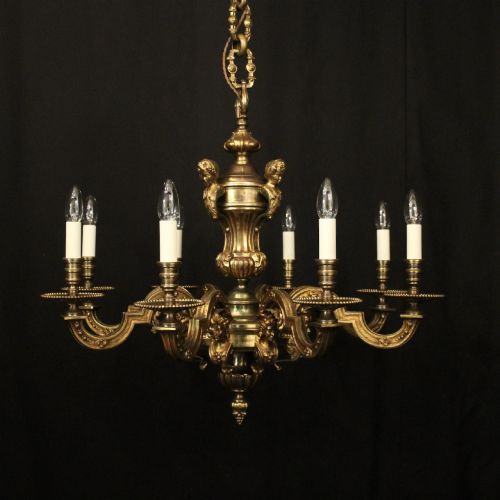
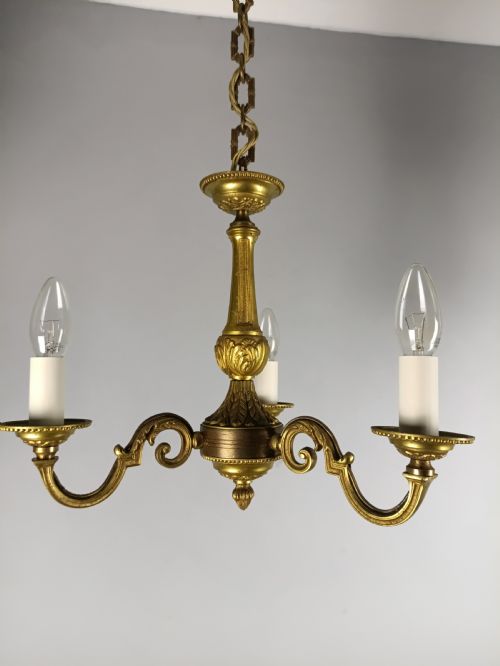
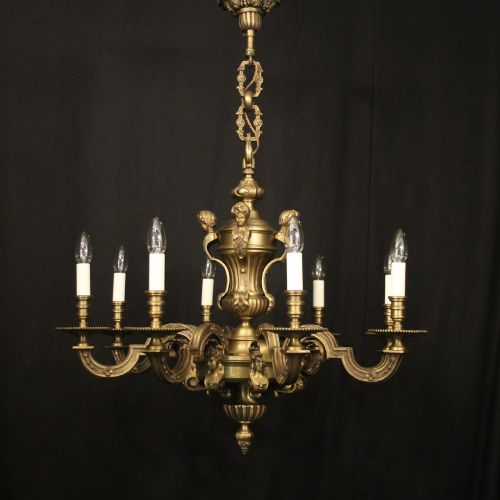
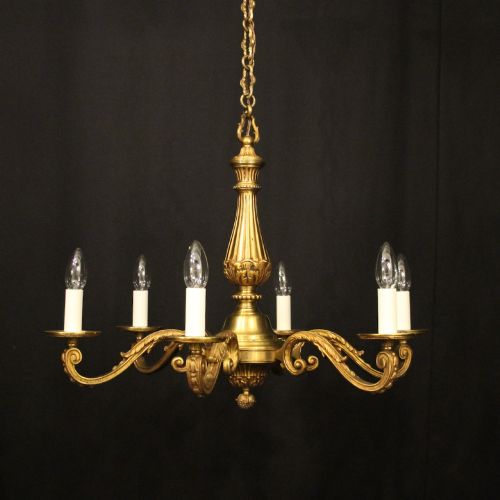
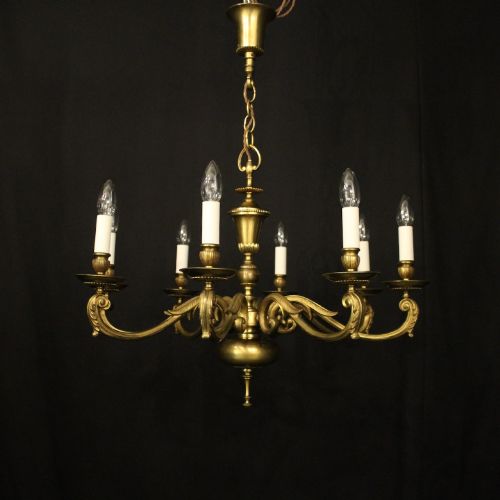
The selections available here span diverse origins, with French, English, and Italian workshops represented alongside broader Georgian and Empire styles. Most examples take the form of multi-arm hanging lights ranging from three to eight branches, frequently incorporating cast metal details such as cherubs or candle drips.
How these fixtures were constructed
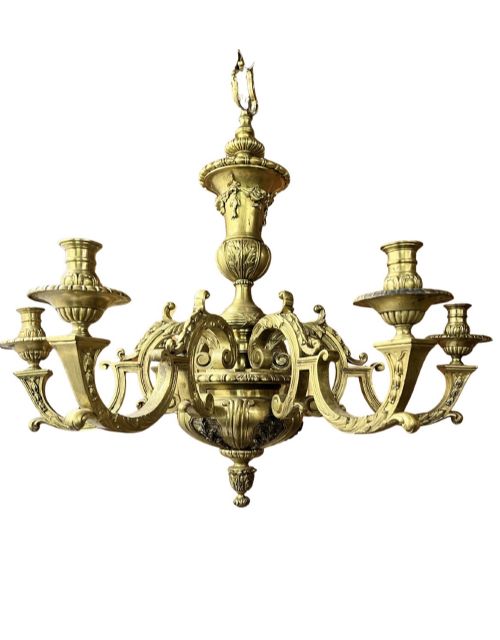
Construction relies heavily on cast and chased metals, predominantly bronze, brass, and gilt bronze, shaped into rigid arms and central stems. Artisans applied surface treatments including gilding, silvering, and ebonising to enhance the visual weight and contrast of the metalwork.
Selected examples incorporate cut crystal elements arranged in tent and basket configurations to refract the light from multiple bulbs or candles. Structural stability is achieved through threaded metal components and robust hanging loops designed to support the substantial weight of the bronze or brass framework.
Neoclassical Arm Chandelier Retail Price Guide 2026
Typical asking prices for neoclassical arm chandelier among the pieces listed under this phrase on Sellingantiques today, from the lower quarter to the upper quarter. They describe what is for sale here now, not the wider market.
One Edwardian brass iteration comes complete with mischievous cast cherubs keeping watch over the candle drips.
What separates the finest examples
Quality in a neoclassical arm chandelier is dictated by the crispness of the metal casting and the depth of the finishing handwork. Finer pieces demonstrate sharply defined foliate motifs, clean joints, and substantial bronze or brass substance rather than thin stamped sheet metal.
The refinement of the surface application, whether fire gilding, silvering, or contrasting ebonised wood, determines how light plays across the fixture. Superior items retain harmonious proportions across all arms and decorative mounts, ensuring the architectural balance characteristic of the style remains intact.
The Neoclassical Arm Chandelier Glossary
- Gilt bronze
- Bronze that has been coated with a thin layer of gold or gold-coloured alloy to impart a rich, reflective surface finish. This technique protects the underlying metal while providing a brilliant golden appearance.
- Empire style
- A neoclassical design movement originating in early nineteenth-century France, drawing heavy inspiration from ancient Roman and Greek motifs. It frequently employs robust cast bronze, military trophies, and severe architectural lines.
- Tent and basket chandelier
- A lighting form where strings of cut crystal beads form a tent shape above a lower bowl or basket arrangement. This construction maximises light refraction and visual complexity.
- Ebonised
- Wood or metal treated to resemble heavy, black ebony wood through staining or painting. It provides a stark, dark contrast against gilded or bright metal mounts.
Neoclassical Arm Chandelier: Frequently Asked Questions
How do I clean a brass chandelier?
Dust the fixture gently with a soft brush or microfiber cloth to prevent accumulation within intricate cast details. Avoid harsh commercial chemical cleaners that can strip away original patination or historical gilding.
For deeper maintenance, consult a professional restorer rather than attempting disassembly of wired arms and delicate crystal components. Preservation of the surface patina remains paramount for antique metalwork.
Are these wired for modern electricity?
Most surviving examples have been adapted at various points in their history to house electrical internal wiring rather than original candles. Buyers should inspect the internal cord integrity and consult a qualified electrician to ensure current safety standards are met.
Rewiring historic metal fixtures often requires careful thread routing through hollow arms and central stems. Professional installation guarantees that the structural weight is safely anchored to ceiling joists.
How do I identify French neoclassical pieces?
French pieces often display finer chasing work on bronze components, alongside distinct cast motifs such as classical urns, ribbons, and acanthus leaves. Workshop standards from France typically favoured heavy gilt bronze or silvered bronze finishes.
Stylistic cues frequently align with specific periods like the Empire era or French Chateau revivals of the early twentieth century. Comparing the casting crispness helps distinguish continental production from domestic English alternatives.