





Nautical Wall Display
A nautical wall display brings the historic sea directly into your rooms through detailed ship dioramas, carved hulls, and maritime folk art.
Nautical Wall Display
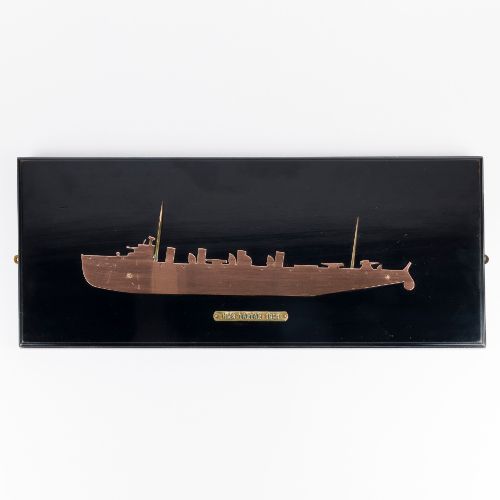
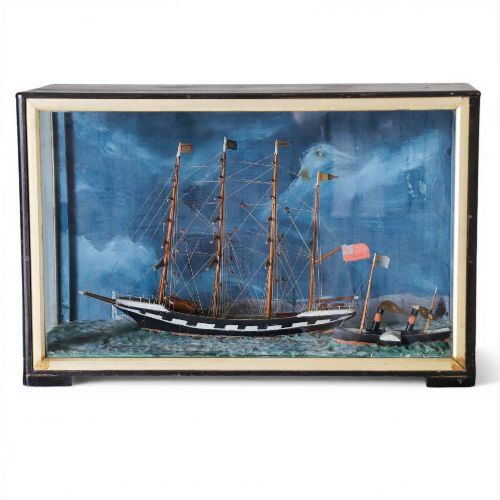
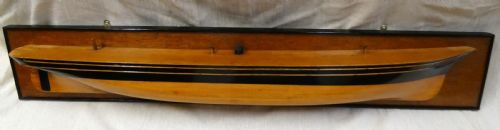
A nautical wall display encompasses shadow box dioramas, ship models in boxes, wall plaques, and maritime folk art designed to be mounted on a wall. When searching for a nautical wall display, buyers encounter framed scenes of sailing ships, racing vessels, and naval destroyers.
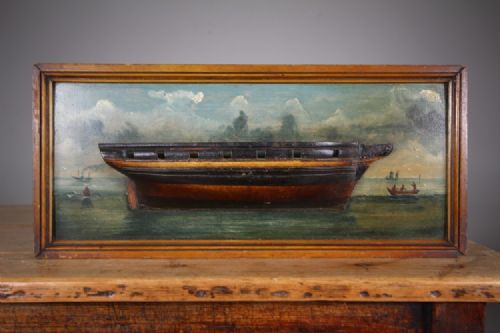
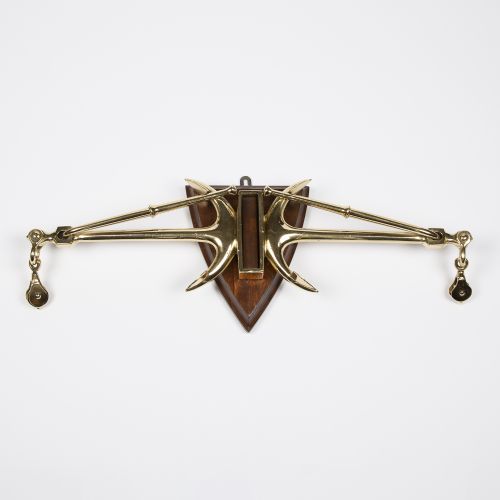
The pieces appearing on this page originate predominantly from the nineteenth century, including Victorian and Edwardian examples. Forms range from large wooden ship dioramas and Turneresque seascapes to wall-mounted tillers and rowing oars.
Most examples represent British or French craftsmanship, often created by skilled makers working in maritime folk art traditions. These objects transform empty wall space into a narrative of maritime history.
How they were made
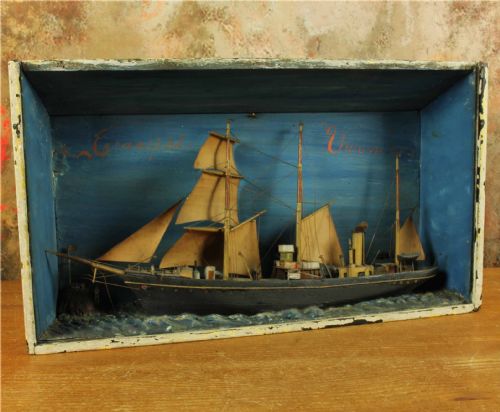
Makers constructed these displays primarily using wood, mahogany, glass, and canvas, often incorporating painted elements to create realistic seascapes. Shadow box dioramas house miniature vessels behind glass panels, protecting delicate rigging and hand-painted backgrounds.
Folk art pieces utilise brass, copper, and plaster alongside carved wood to build three-dimensional ship models and hulls. Paint brings depth to the water and sky, with Turneresque canvases capturing atmospheric maritime lighting.
Some nineteenth-century makers used actual remnants of shipwrecks to build the wooden frames for their miniature dioramas.
What varies in quality
The depth of detail in the miniature rigging, hull construction, and painted background separates finer dioramas from simpler wall art. Superior examples capture the specific rigging of named vessels like the HMS Tartar or the Glynllifon with precision.
The complexity of the framing and the preservation of the original glass and painted canvas influence the visual impact of the piece. Naive wooden carvings show a charming simplicity, whereas elaborate shadow boxes demonstrate advanced model-making skill.
The Nautical Wall Display Glossary
- Shadow Box Diorama
- A deep, glazed frame enclosing a three-dimensional model set against a painted backdrop. This format protects delicate ship models from dust and damage.
- Maritime Folk Art
- Decorative objects created by self-taught or traditional makers using accessible materials like wood and paint. These pieces reflect common nautical themes of the nineteenth and early twentieth centuries.
- Turneresque Seascape
- A painted background style reminiscent of J.M.W. Turner, focusing on dramatic light, water, and atmospheric conditions behind a ship model.
- Tiller Yoke
- A steering component from a boat adapted for wall mounting. It represents a functional piece of maritime hardware repurposed as wall decor.
Nautical Wall Display: Frequently Asked Questions
What is a shadow box diorama?
A shadow box diorama is a framed display case that houses a three-dimensional model ship against a painted canvas background. The glass front protects the delicate wooden rigging and painted seascapes from environmental wear.
These pieces were designed specifically for wall mounting in domestic or maritime interiors. They provide a realistic view of sailing ships at sea within a compact space.
How do I date these pieces?
Dating relies on stylistic clues, materials such as mahogany and early glass, and documented subjects like specific historical ships. Nineteenth-century and Edwardian examples often display distinct naive or Victorian maritime folk art characteristics.
Makers frequently noted vessel names or production eras directly on the frames or internal plaques. Comparing the construction techniques of the wooden hulls helps establish the period of origin.
Where should I hang a diorama?
These displays require sturdy wall fixings due to the weight of the wooden frames, glass, and internal models. Position them away from direct sunlight to protect the painted canvas and wooden elements from fading.
They suit studies, hallways, or living spaces where the detailed ship models can be viewed closely at eye level. Pairing them with complementary maritime objects enhances their visual context.
What materials did makers use?
Makers relied on wood, mahogany, plaster, and canvas to build the structural elements and backgrounds of these displays. Glass protected the front of shadow boxes, while brass and copper appeared on specific model fittings and hardware.
Paint was essential for rendering the dynamic water and sky scenes behind the model ships. Each material contributed to the durability and aesthetic appeal of the finished wall art.