

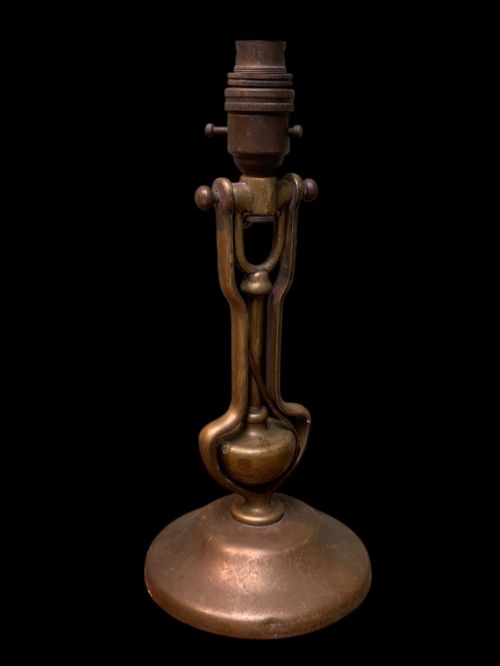


Nautical Desk Light
A nautical desk light brings practical maritime history into a room, offering robust construction and distinct vessel-derived charm for modern interiors.
Nautical Desk Light
A nautical desk light comprises maritime-inspired table lamps and lanterns adapted from actual shipboard fittings or built in distinct maritime styles. These pieces trace back to periods such as the Edwardian era and the nineteen-twenties.
Buyers most frequently encounter gimbal lamps designed to stay level on rolling vessels alongside table lamps shaped like lighthouses or yachts. Materials range from solid brass and nickel-plated brass to enamelled iron and oak.
The aesthetic bridges utilitarian maritime engineering with decorative domestic lighting. Every piece reflects the robust hardware once demanded by naval and merchant vessels.
How they were made
Makers utilised heavy metals like brass, copper, and nickel-plated brass to withstand harsh marine environments. Gimbal mechanisms allowed lamps to pivot and remain upright regardless of the vessel's movement.
Surface finishes include black enamelled iron and polished chrome, paired with glass lenses and fabric or textile shades. Workshop construction prioritised mechanical durability alongside decorative appeal.
Nautical Desk Light Retail Price Guide 2026
Typical asking prices for nautical desk light among the pieces listed under this phrase on Sellingantiques today, from the lower quarter to the upper quarter. They describe what is for sale here now, not the wider market.
Listings feature items dated from nineteen-hundred through the nineteen-twenties, showcasing Edwardian and Art Deco maritime aesthetics.
What varies in quality
Quality separates utilitarian hardware adapted with genuine maritime provenance from purely decorative pieces made later. The heft of the metalwork, the smoothness of the gimbal action, and the integrity of the original plating dictate the standard.
Patina and surface wear reveal the age and authenticity of the materials. Superior examples retain original components like heavy glass lenses and maker stamps without unnecessary replacement parts.
William McGeoch Co
The Nautical Desk Light Glossary
- Gimbal
- A pivoted support that allows a lamp to remain level on a rolling ship. This mechanical ring assembly is characteristic of authentic marine lighting.
- Enamelled iron
- A durable iron base coated with protective vitreous enamel to resist corrosion at sea. This finish offers a distinctive industrial texture.
- Nickel-plated brass
- A brass substrate coated with a thin layer of nickel for enhanced durability and a bright silver-toned finish. It protects the softer metal underneath from tarnishing in damp conditions.
- Maritime
- A style descriptor indicating design origins rooted in naval or shipping traditions. These objects incorporate forms and materials associated with seafaring.
Nautical Desk Light: Frequently Asked Questions
What is a nautical desk light?
A nautical desk light is a table lamp or lantern derived from maritime hardware or styled after marine subjects like ships and lighthouses. These pieces bring industrial and naval history into domestic spaces.
They utilise materials like brass, copper, and nickel-plated brass, often featuring mechanical elements such as gimbals that once kept lamps level on vessels.
How were gimbal lamps used?
Gimbal lamps were mounted on ships or trains to provide stable illumination while the vehicle moved. The pivoting rings compensated for rolling and pitching motions.
Today, these lamps function as sturdy desk or table lights, retaining their original mechanical ability to tilt and pivot on their stands.
How do I style a nautical desk light?
These lamps suit studies, libraries, and workspaces where robust metal finishes complement wooden desks and leather seating. Their industrial character anchors a room with a distinct historical focal point.
Pairing a brass or nickel gimbal lamp with other maritime elements creates a cohesive look without overwhelming the space.
How do I date an antique marine lamp?
Dating relies on examining the materials, manufacturing techniques, and style markers typical of periods like the Edwardian era and the nineteen-twenties. Nickel plating and black enamelled iron often point towards early twentieth-century industrial production.
Maker marks, where present, provide direct attribution to historical firms and workshops from that era.