



Nature Canvas Art
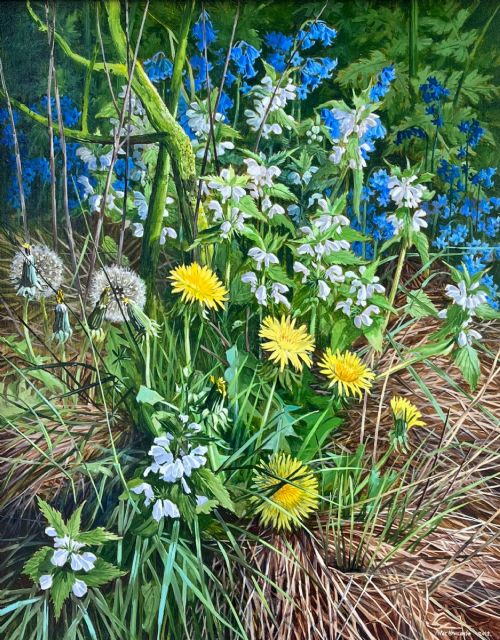
Nature canvas art brings the outdoors inside through oil paintings on canvas that capture landscapes, rivers, and wildlife.
Nature Canvas Art
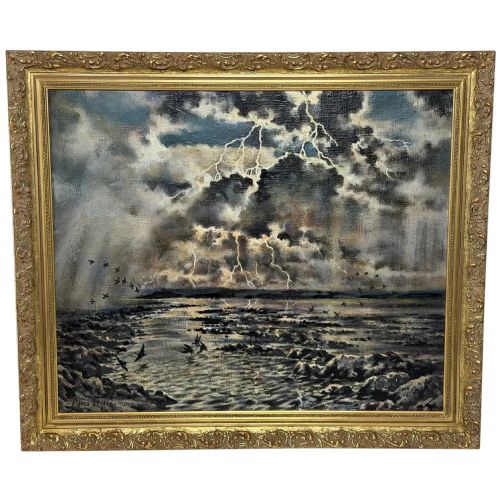
When you search for nature canvas art, you encounter oil paintings on canvas depicting landscapes, rivers, woodlands, and still life subjects. These works span from the seventeenth century through the Victorian and Edwardian periods up to later than nineteen-sixty.
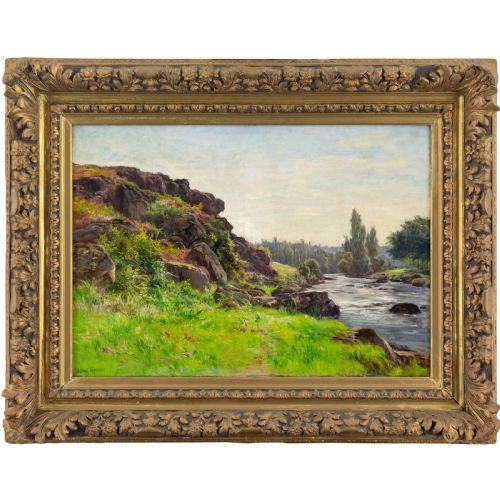
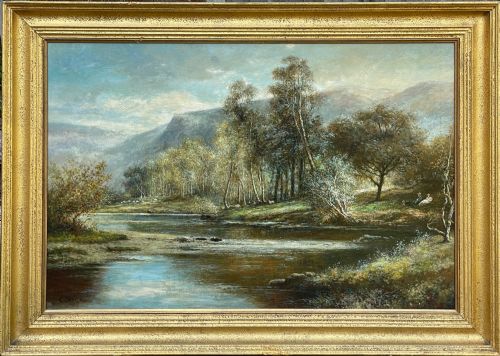
The most common pieces on this page are nineteenth century and early twentieth century oil paintings on canvas showing rural scenes, river landscapes, and countryside views by named and un-named artists.
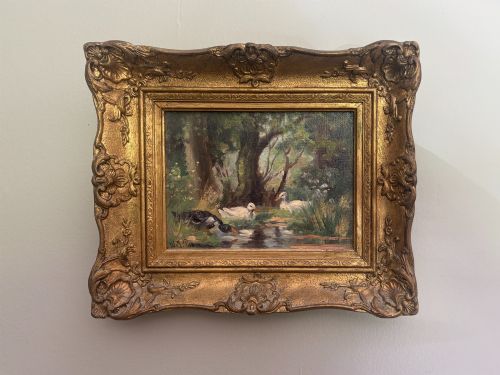
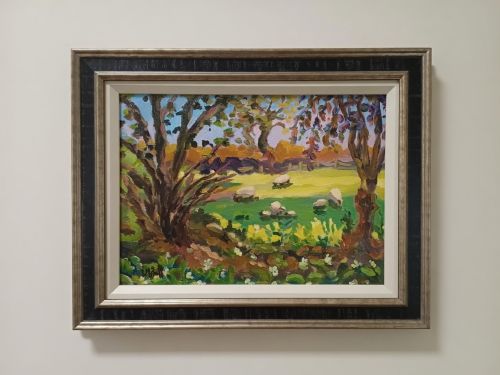
Subjects range from woodland pools with ducks and sheep in wild garlic to Scottish highland landscapes and still life compositions of fruit and birds.
How They Were Made
These works are executed in oil paint applied to canvas, often supported by wooden stretcher frames.
Many of the period pieces feature frames finished with gesso, gold leaf, and giltwood to complement the oil paintings.
Nature Canvas Art Retail Price Guide 2026
Typical asking prices for nature canvas art among the pieces listed under this phrase on Sellingantiques today, from the lower quarter to the upper quarter. They describe what is for sale here now, not the wider market.
Listings feature oil paintings on canvas from the seventeenth century through the Victorian era and the nineteen-twenties to nineteen-sixties.
What Varies in Quality
Quality rests in the handling of light and atmosphere, distinguishing luminous impressionist landscapes from ordinary topographical records.
The sophistication of the brushwork and the preservation of the oil paint and canvas determine the standing of each piece.
Willem J Palman·Gabriel Mathieu·Lucy Pratt·Gaspar Peeter Verbruggen·Peter Newcombe·E Brown·Margaret Maitland Howard·William Mellor·John Wright Oakes·William Langley·H Church·George F Wetherbee·T B Garvie·Owen Bowen·Ernest Moore·Adolphe Gumery·James Poole·Fred Merriman·Kenneth Washburn·Emile Lecomte
The Nature Canvas Art Glossary
- Oil paint
- A slow-drying paint made by mixing pigments with oils such as linseed. This medium allows artists to build rich textures and deep tones on canvas.
- Giltwood
- Wood carved and covered with a thin layer of gold leaf or gold paint. This material is standard for traditional picture frames housing fine art.
- Impressionism
- A nineteenth-century painting style characterised by relatively small, thin yet visible brush strokes and an emphasis on accurate depiction of light. French and British practitioners developed this approach to capture transient outdoor moments.
- Gesso
- A paint mixture consisting of a binder mixed with chalk, gypsum, or pigment. It is applied to wooden frames as a smooth base before gilding.
Nature Canvas Art: Frequently Asked Questions
What periods do these paintings cover?
The selection spans several centuries, starting from seventeenth century still life works up to modernist pieces created later than nineteen-sixty.
Victorian, Edwardian, and early twentieth century impressionist landscapes form a significant portion of the available artwork.
Are these works original paintings?
Every piece listed is an original oil painting on canvas rather than a reproduction or print.
Artists applied oil paint directly to canvas supports, frequently housing them in period wood and giltwood frames.
What subjects appear in this art?
Common subjects include rural countryside scenes, river landscapes, woodland pools, and highland vistas.
Other works depict still life arrangements of fruit and birds, mythological figures, and animals such as sheep and ducks.
Where were these artists from?
The creators include British and French painters working across various regional schools and landscape traditions.
Pieces originate from locations including Wales, Cumberland, California, and France.