


Natural Pine Glazed Cupboard
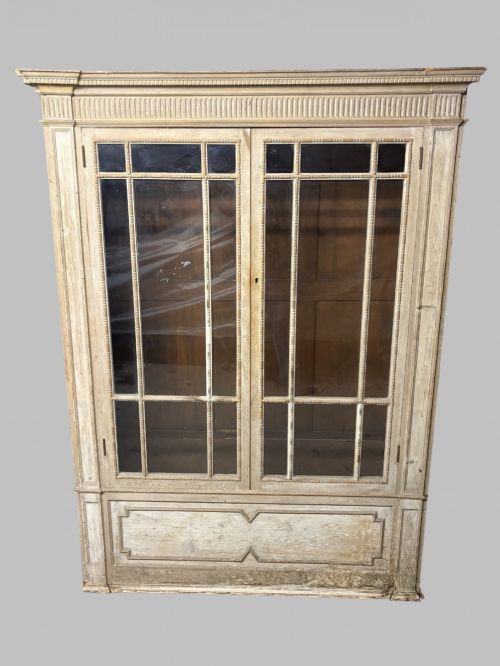
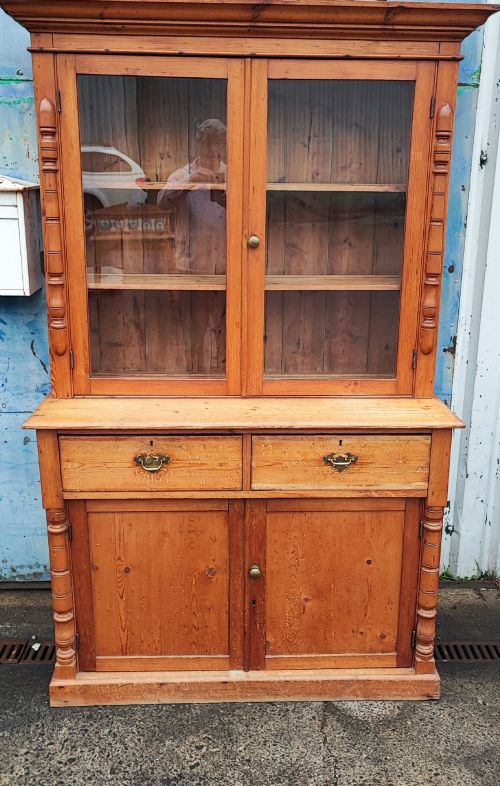
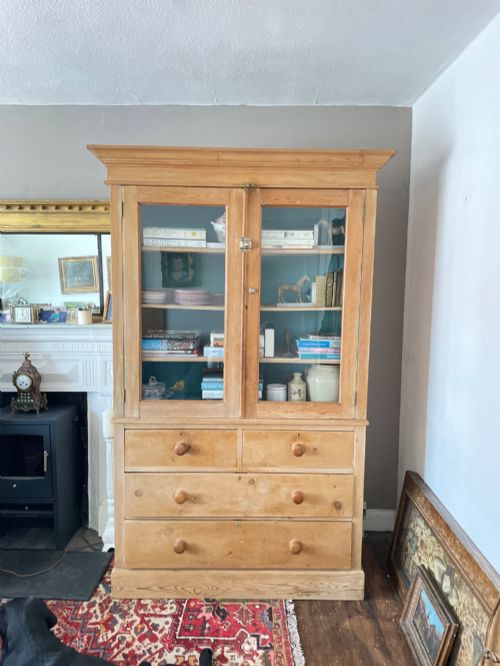
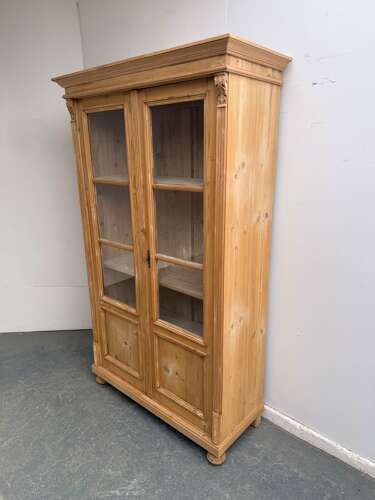
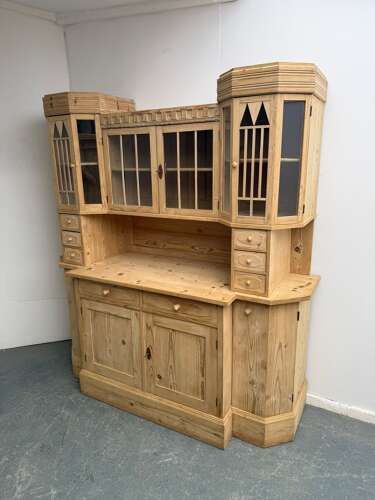
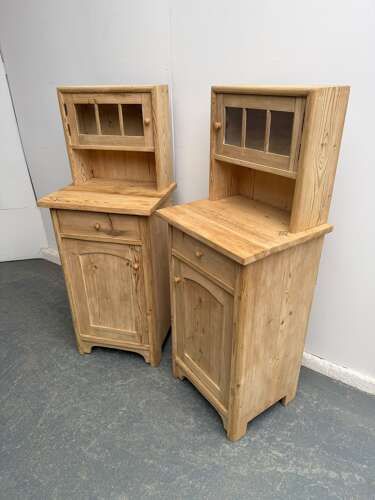
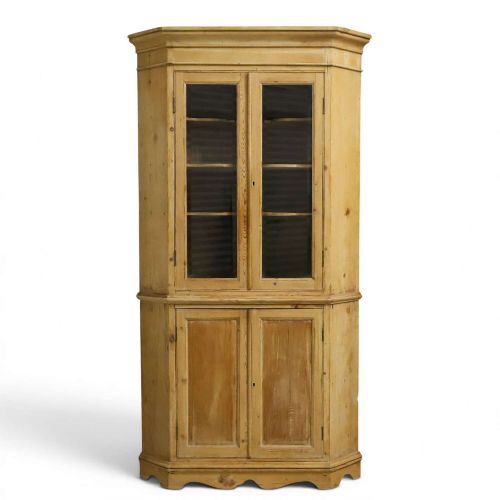
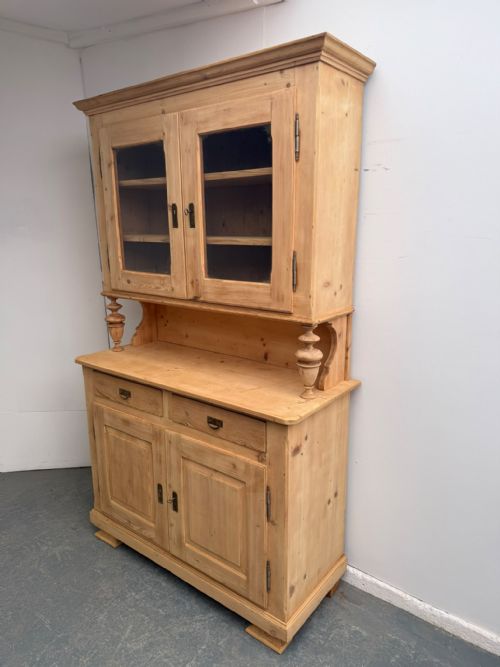
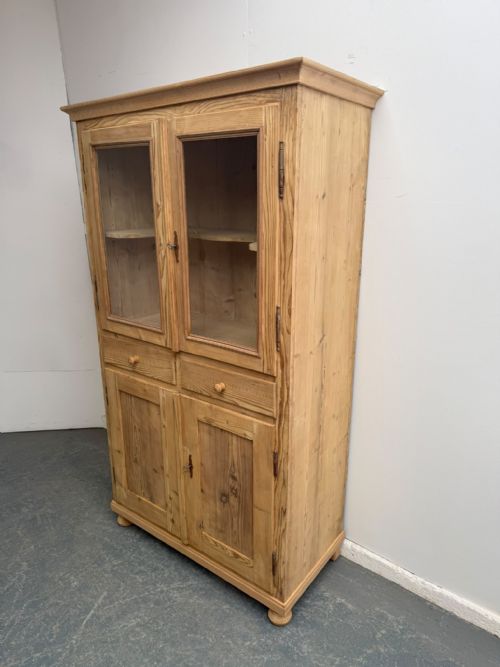
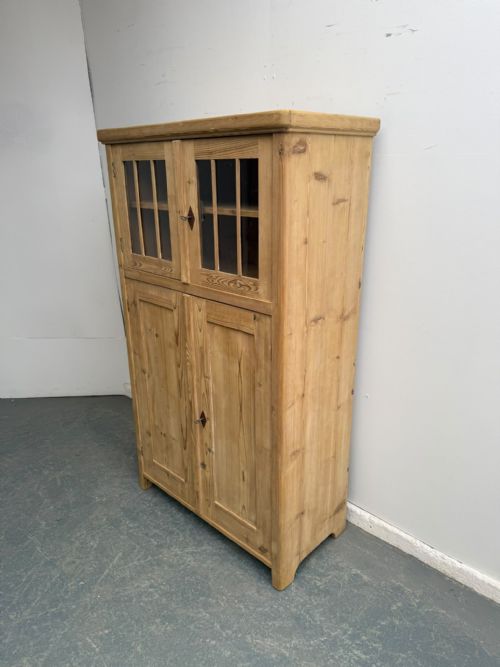
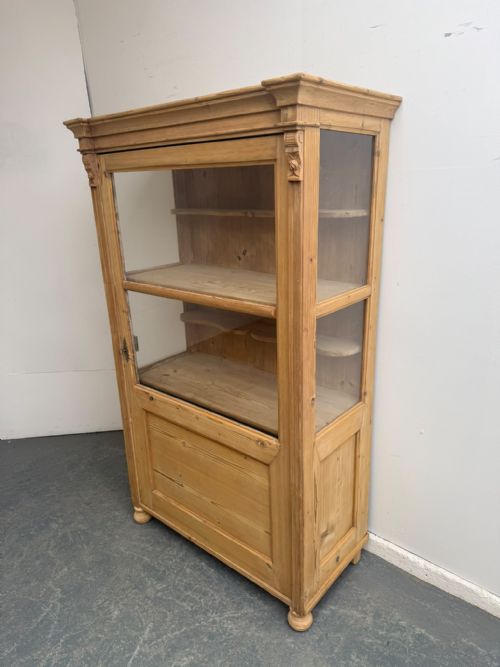
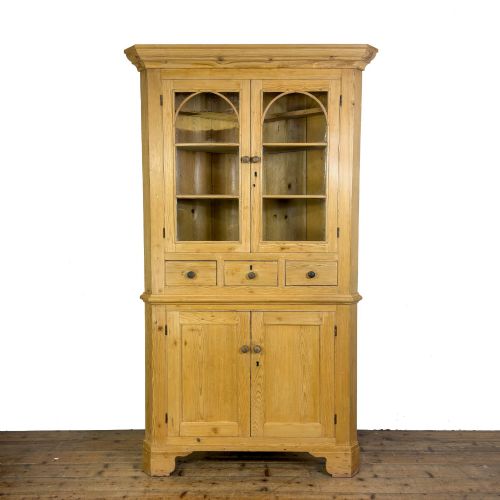
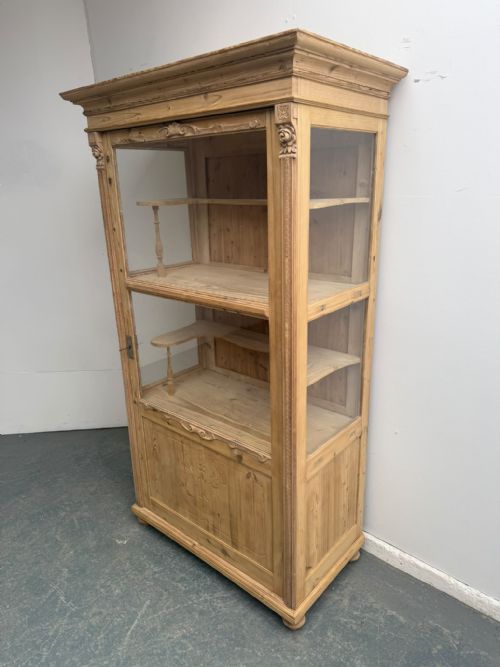
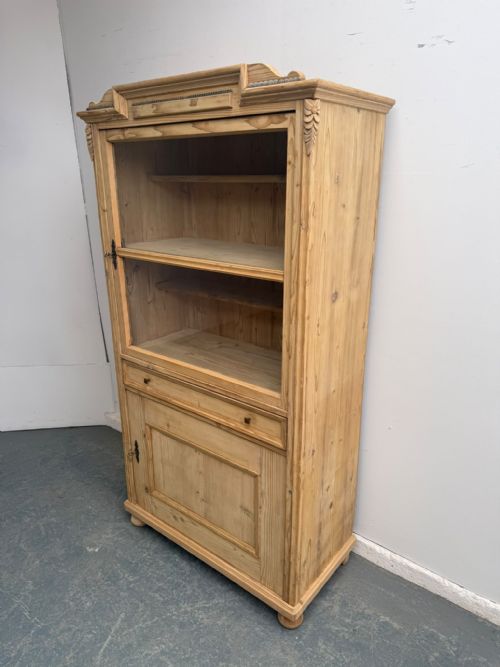
These natural pine glazed cupboard examples offer sturdy utility and glass-fronted display, bringing practical rural storage into domestic spaces.
Natural Pine Glazed Cupboard
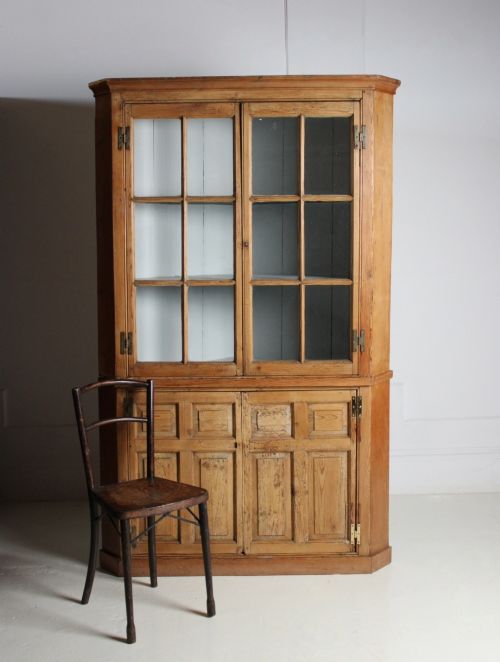
Makers produced these pieces to serve domestic storage and display needs in various regional styles, including French, Irish, and English country traditions. Forms vary from compact bedside cabinets to substantial four-door storage units and two-part corner cupboards with glass doors.
Examples often arrive with waxed or stripped finishes, sometimes featuring painted interiors. The inventory demonstrates how utilitarian country furniture evolved to include glazed doors for the preservation and exhibition of household items.
Assessing Quality and Construction
Quality in these pieces rests upon the integrity of the timber selection and the joinery executed by period makers. Dense grain pine and pitch pine constructions outlast softer, more porous softwood alternatives.
Proportion and scale distinguish finer country pieces, particularly where cornice mouldings, astragal glazing bars, and original two-part forms remain intact. The presence of original painted interiors or well-maintained waxed finishes further separates standard utility cupboards from superior examples.
Natural Pine Glazed Cupboard Retail Price Guide 2026
Typical asking prices for natural pine glazed cupboard among the pieces listed under this phrase on Sellingantiques today, from the lower quarter to the upper quarter. They describe what is for sale here now, not the wider market.
Several cupboards are supplied ready to paint, inviting future generations to apply entirely new colour schemes over their historic timber.
The Natural Pine Glazed Cupboard Glossary
- Astragal glazing
- Timber bars that hold individual panes of glass within a sash door. These delicate divisions are characteristic of period display furniture.
- Pitch pine
- A dense, resinous variety of pine timber utilised for durability and pronounced grain patterns. It frequently appears in nineteenth-century cabinetry.
- Two-part form
- Construction comprising a separate base and upper section stacked together. This method facilitated the transport of large cupboards and dressers.
- Wax finish
- A traditional surface treatment applied to timber to nourish the wood and provide a soft sheen. It requires regular maintenance to preserve the lustre.
- Corner cupboard
- A triangular cabinet designed to fit directly into a room angle. These pieces maximised storage efficiency in smaller domestic spaces.
Natural Pine Glazed Cupboard: Frequently Asked Questions
How do I date a pine cupboard?
Dating relies upon construction methods, hardware types, and stylistic indicators found across the piece. Victorian examples often display machine-sawn timber and simpler joinery compared to earlier Georgian items.
Examining the backboards and drawer linings provides additional clues regarding the manufacturing period. Nails and screws used in assembly further assist in establishing an approximate age.
Where should I place a corner cabinet?
Corner cabinets fit neatly into unused room angles, making them practical for smaller interiors. They provide display space without dominating the floor area of a dining room or hallway.
Ensure the wall angles are square before placement to guarantee a flush fit. These pieces work well to anchor transitional spaces between walls.
Are pine cupboards heavy to move?
Many larger cupboards and dressers utilise a two-part form that separates into upper and lower sections for transport. This division simplifies maneuvering the furniture through doorways and up staircases.
Solid pine remains relatively heavy due to the density of the timber, particularly when pitch pine is used. Removing glass doors or interior shelving prior to transport reduces the overall weight.
How do I care for a waxed pine finish?
Maintain waxed pine surfaces by applying a traditional beeswax polish and buffing with a soft cloth. Avoid placing these cabinets in direct sunlight or near heat sources to prevent the timber from drying out.
Regular dusting prevents particle buildup in the grain. Reapplication of wax every few months preserves the water-resistant properties of the finish.