



Narrow Occasional Table
These narrow occasional table examples bring compact surfaces and heritage timber to tight spaces, offering practical charm for any traditional or country interior.
Narrow Occasional Table
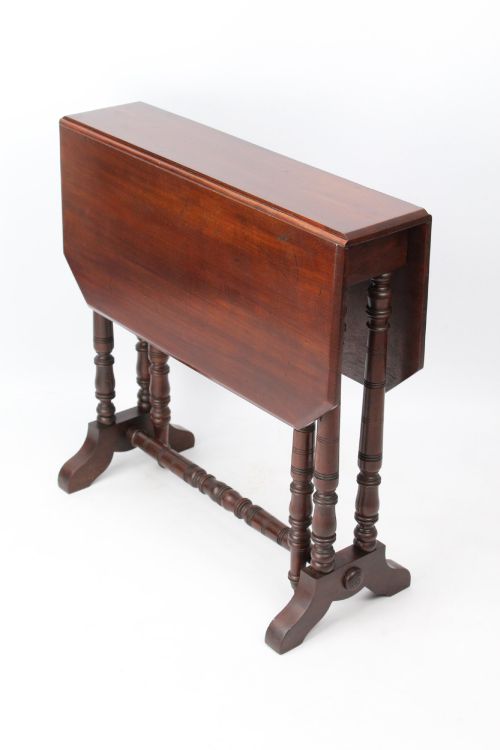
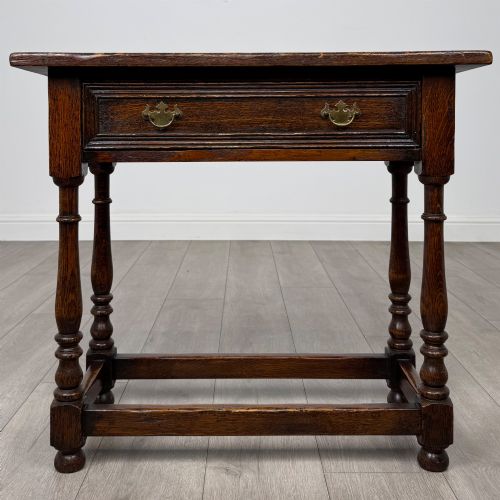
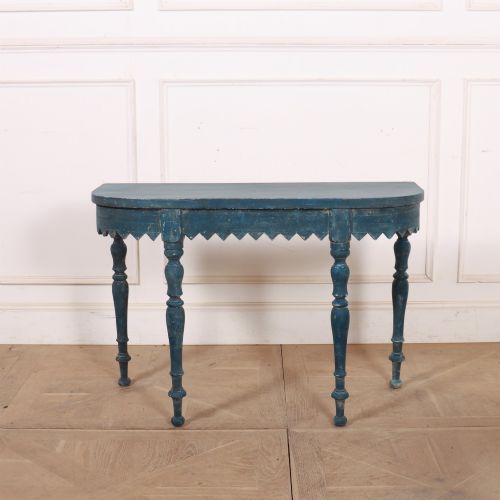
The most common version you will encounter on this page is the drop-leaf Sutherland table in mahogany or walnut, designed to fold down flat when space is at a premium. Alongside these, buyers find solid oak side tables, slender pier tables, and compact lamp tables originating from English and continental workshops.
How they were made
Cabinet makers utilised dense hardwoods like mahogany, walnut, and oak to ensure structural stability despite slender proportions. Surface enrichment frequently involved satinwood inlay, contrasting stringing, and burr walnut veneers applied to top panels.
Drop-leaf mechanisms relied on pivoting gateleg frames or spider-leg supports to hold extended flaps securely. Joinery techniques combined traditional tenon joints with finely turned legs, brass castors, and occasionally tambour fronts.
Narrow Occasional Table Retail Price Guide 2026
Typical asking prices for narrow occasional table among the pieces listed under this phrase on Sellingantiques today, from the lower quarter to the upper quarter. They describe what is for sale here now, not the wider market.
Listings feature woods including mahogany, walnut, burr walnut, satinwood, oak, and birch, alongside brass hardware.
What varies in quality
The refinement of the timber selection and the crispness of any inlay set finer examples apart from simpler utility pieces. Dense mahogany figures and matched burr walnut veneers demonstrate superior workshop standards.
Structural integrity in the pivoting leg mechanisms and hinge fittings dictates longevity in daily use. Well-balanced gateleg actions move smoothly without sagging, whereas lesser examples show wear in the pivot points.
The Narrow Occasional Table Glossary
- Sutherland table
- A narrow drop-leaf table with hinged flaps that fold almost vertically, supported by swing legs. This form gained immense popularity during the Victorian era for its compact footprint.
- Satinwood inlay
- Decorative wood contrasting work inserted into a primary timber surface. It creates geometric or floral borders on tabletops.
- Pier table
- A side table designed to stand against a wall, traditionally placed between two windows beneath a pier glass mirror. These often feature formal architectural styling.
- Tambour front
- A flexible surface composed of narrow strips of wood glued to canvas, allowing a panel to slide around a curved track. It conceals storage compartments in cabinets and stands.
- Gateleg table
- A table with hinged legs that swing out from the centre frame to support drop leaves. The swinging legs resemble a opening gate.
Narrow Occasional Table: Frequently Asked Questions
How do I use a Sutherland table?
Sutherland tables serve primarily as tea or occasional surfaces that fold down compactly when not in use. You can place them against a wall with both leaves dropped, then raise the leaves to create a larger surface for tea or lamps.
Their slim profile makes them particularly useful behind sofas or in narrow hallways where standard tables would obstruct movement.
What is the difference between an Edwardian and Victorian table?
Victorian tables generally display heavier timbers, deeper mahogany tones, and more ornate turning on the legs. They often focus on substantial presence and rich wood grain.
Edwardian pieces tend to be lighter in appearance, frequently incorporating satinwood inlay, slender spider legs, and brighter mahogany or walnut finishes.
Can I use these tables for daily dining?
Most narrow occasional tables are built for light duties like holding books, lamps, or tea sets rather than heavy family meals. The drop-leaf hinges and slender gateleg frames provide stability for moderate weight.
Frequent heavy use can strain the pivot joints, so they are best suited for occasional entertaining or display purposes.
How do I care for antique mahogany surfaces?
Protect antique mahogany and walnut by keeping tables away from direct heat sources and strong sunlight, which can fade the timber. Regular dusting with a soft, dry cloth maintains the finish without buildup.
Applying a traditional beeswax occasionally helps nourish the wood grain and preserves the historic sheen of the polish.