





Narrow Low Bookcase
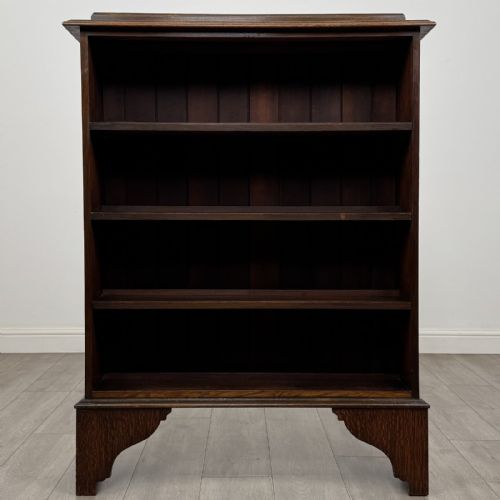
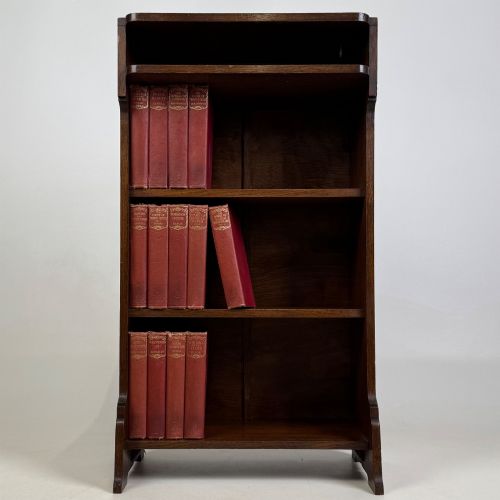
A narrow low bookcase gives you shelf space where floor space is tight, combining compact proportions with period character.
Narrow Low Bookcase
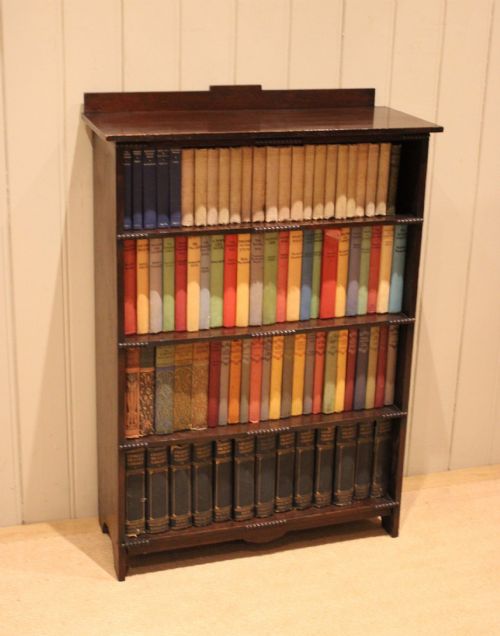
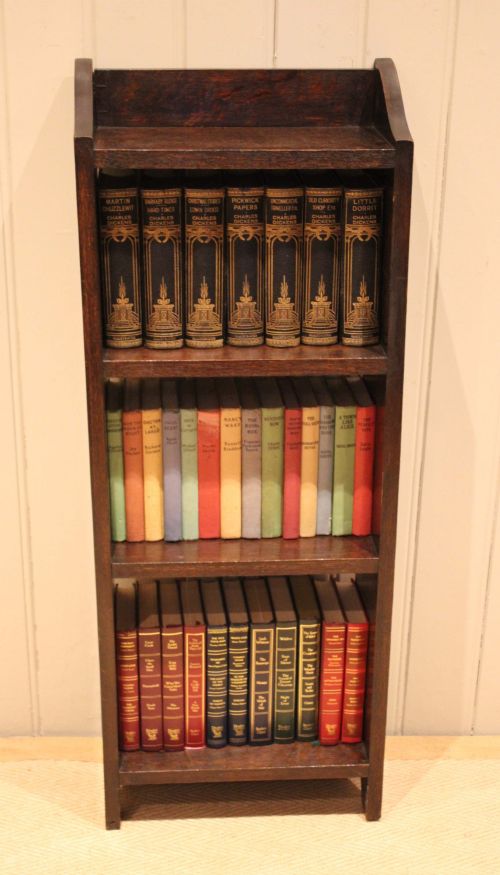
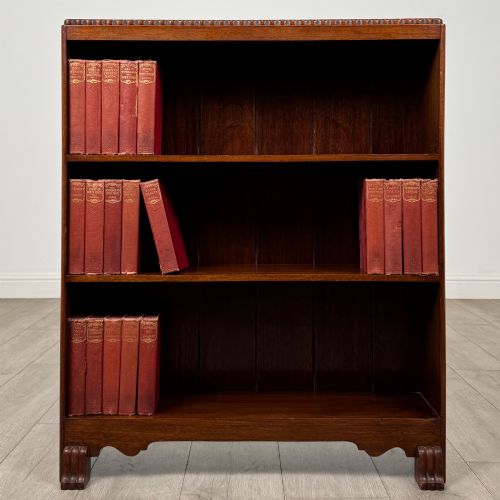
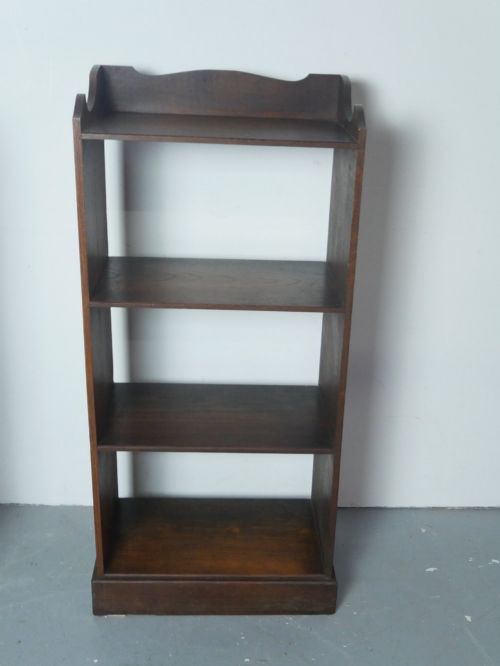
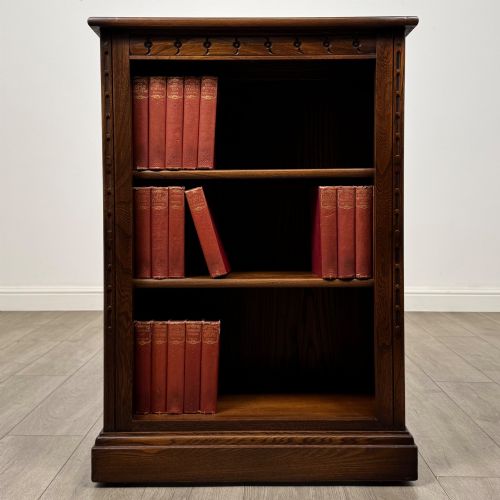
When you search for a narrow low bookcase, you are looking at compact timber shelving units designed to sit beneath dado height or window sills. The pieces available here span the Victorian, Edwardian, and 1920 periods, with the 1920 era supplying the greatest number of examples. You will frequently encounter open oak constructions, often featuring raised galleries or beaded edges.
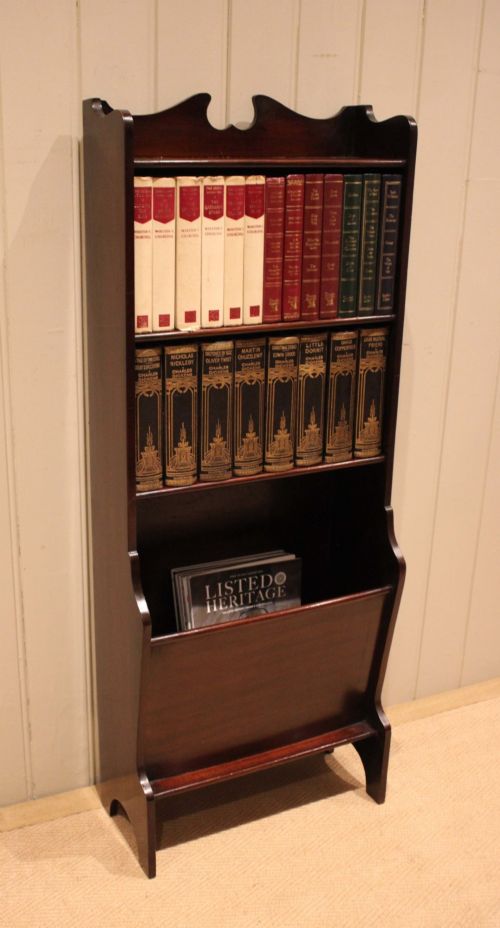
The forms range from simple standing open shelves to pieces fitted with magazine racks, raised galleries, or glazed display sections. Mahogany and dark oak also appear alongside standard oak, sometimes accented with inlaid details or ebonised finishes. These variations give you choices that range from utilitarian Edwardian work furniture to more decorative nineteenth-century display items.
How they were made
Cabinet makers constructed these bookcases primarily using solid oak and mahogany, relying on the natural strength of the timber to support rows of books without sagging. Many examples incorporate adjustable shelves, requiring precise joinery within the carcase to allow internal movement. Decorative touches on these pieces include carved edges, raised galleries, and occasionally ormolu mounts.
Surface treatments recorded in the evidence include paint, ebonised finishes, and faux burr walnut effects that imitate more costly timbers. Brass hardware appears on fitted compartments or display doors, while carved details emphasise the Edwardian and Arts and Crafts styles seen across the inventory.
Narrow Low Bookcase Retail Price Guide 2026
Typical asking prices for narrow low bookcase among the pieces listed under this phrase on Sellingantiques today, from the lower quarter to the upper quarter. They describe what is for sale here now, not the wider market.
Arts and Crafts, French Empire, and Jacobean Revival styles appear alongside standard Edwardian forms.
What varies in quality
The standard of a narrow low bookcase rests on the choice of timber and the crispness of its joinery. Pieces featuring figured grain, such as mahogany or selected oak, show greater attention from the original maker than utilitarian workshop stock. Subtle details like carved top edges, beaded framing, and inlaid stringing separate standard utility furniture from finer domestic items.
Ercol
The Narrow Low Bookcase Glossary
- Raised gallery
- A low decorative railing or upstand fitted along the top surface of a bookcase. This feature prevents items from sliding off the back or sides.
- Beaded edge
- A narrow, rounded moulding run along the border of shelves or panels. It adds subtle relief and a neat finish to the timber edges.
- Ormolu
- Gilt bronze mounts applied to furniture for decorative effect. Found on nineteenth-century pieces influenced by French design.
- Ebonised
- Timber treated with a dark stain or finish to imitate ebony. This technique gained popularity in the late nineteenth century for contrast.
Narrow Low Bookcase: Frequently Asked Questions
Where should I place a narrow low bookcase?
These compact bookcases fit well in hallways, beneath windows, or beside fireplaces where standard height furniture would block light or movement. Their low profile keeps sightlines open in smaller rooms while keeping reading material close at hand.
Because they take up minimal floor space, they also work effectively in alcoves or guest bedrooms. The shallow depth ensures they do not crowd narrow passages.
How do I adjust the shelves?
Many period bookcases feature adjustable wooden shelves supported by traditional wooden bearer systems or metal pins. You simply lift the shelf clear of its supports and reposition the rests into the alternative slots.
Take care when moving older timber shelves to avoid binding against the interior walls of the carcase. Gentle handling preserves the original lining and timber edges.
Are these bookcases suitable for heavy books?
Solid oak and mahogany construction provides sturdy support for everyday volumes and reference books. The shorter span of a narrow bookcase naturally resists sagging better than wider shelving units.
Distributed weight across adjustable wooden shelves ensures stable storage without straining the historical fixings. For very heavy folios, lower shelves offer the most stable placement.
How do I care for the timber finish?
Dust the surface regularly with a dry, soft cloth to prevent grit from accumulating in the grain or carved details. Occasional application of quality beeswax feeds the polish on oak and mahogany surfaces.
Keep these bookcases away from direct heat sources and strong sunlight to prevent the timber from drying out or warping. Maintaining stable room humidity preserves the joints and surface sheen.