




Narrow Hallway Mirror
A narrow hallway mirror solves the old problem of placing light and reflection in a tight urban passage without dominating the floor space.
Narrow Hallway Mirror
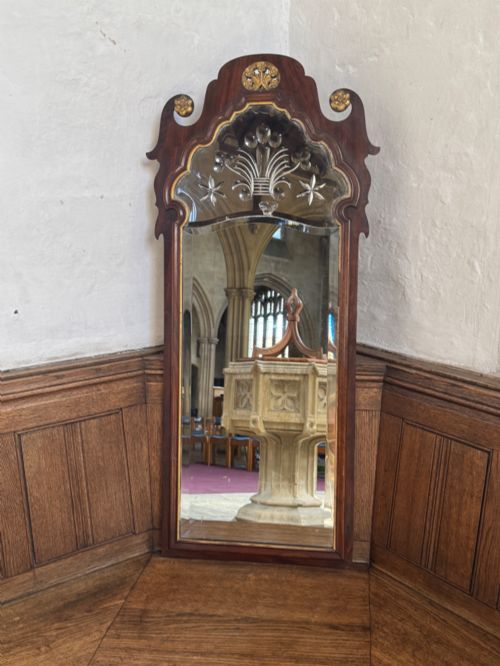
A narrow hallway mirror is designed specifically to occupy restricted vertical spaces, appearing frequently as tall pier glasses, upright wall mirrors, or fitted elements on compact hall stands. These pieces reflect natural daylight into dark corridors while providing a functional looking-glass for final checks before stepping outside.
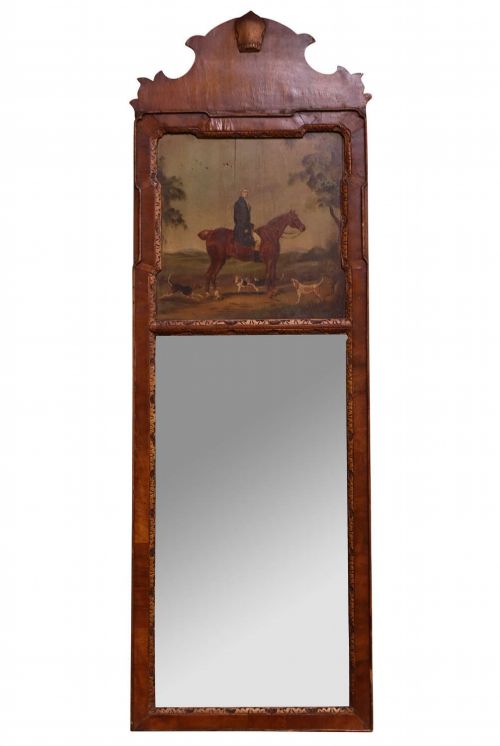
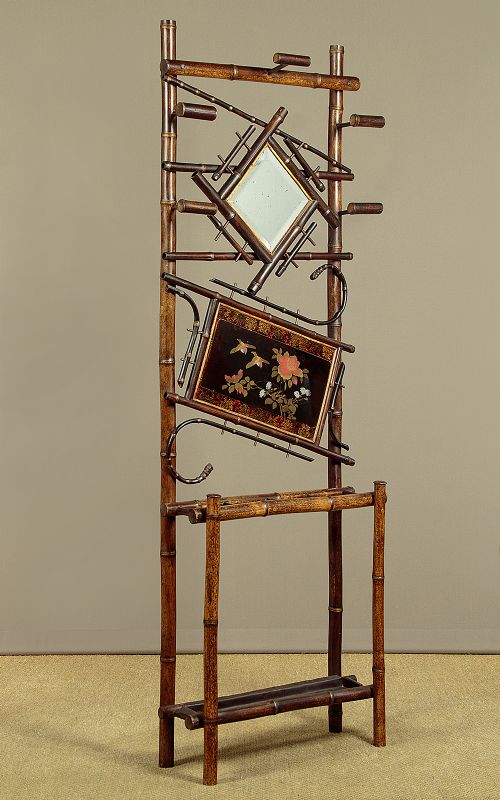
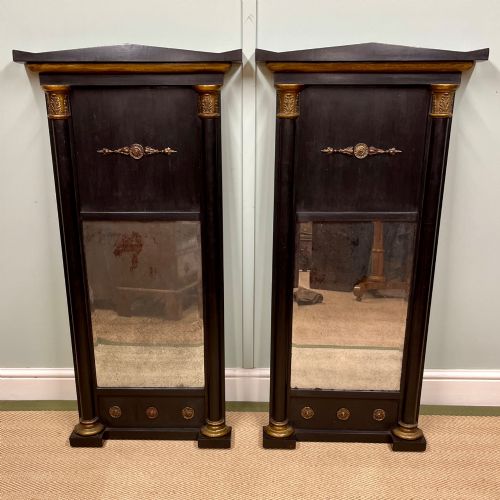
The selections encountered here span the nineteenth century up to the nineteen-twenties, incorporating revival aesthetics such as Queen Anne, George I, and Empire styles alongside Victorian and Edwardian examples. Forms range from simple bamboo hall stands and inlaid oak wall plates to giltwood pier mirrors and tall cheval dressing room consoles.
Buyers seeking a narrow hallway mirror often encounter dual-purpose items, including narrow pier cabinets and console tables paired with upright glass. These configurations maximise utility in confined architectural spaces by combining surface storage with vertical reflection.
Materials and construction methods
Makers utilised a variety of dense hardwoods and decorative veneers, including mahogany, walnut, rosewood, and oak, often accented with ebonised details or bamboo for lighter structural profiles. Giltwood and gesso frames provided ornate architectural framing, whilst specialised techniques like reverse cut plate glass added subtle decorative depth to the surface.
Frames frequently employed period revival joinery, incorporating carved elements and inlaid timber work to emulate earlier eighteenth-century designs. Integrated pieces such as hall stands and console tables combined sturdy wooden framing with heavy mirror glass and occasional oil paintings set directly into the wooden structure.
Narrow Hallway Mirror Retail Price Guide 2026
Typical asking prices for narrow hallway mirror among the pieces listed under this phrase on Sellingantiques today, from the lower quarter to the upper quarter. They describe what is for sale here now, not the wider market.
The selection includes functional hall stands and console tables equipped with tall mirror plates alongside traditional wall-hung pier glasses.
Distinguishing quality across examples
Quality in a narrow hallway mirror rests upon the crispness of the carved wood or gesso detailing and the depth of the timber grain selected by the maker. Superior pieces display finely executed joinery and well-preserved surface finishes, whether through the warm polish of walnut and rosewood or the careful application of parcel gilt.
The integrity of the mirror glass itself separates standard examples from finer works, particularly where plates feature period characteristics like reverse cutting or gentle ageing. Structural balance matters greatly in taller formats such as cheval consoles and narrow hall stands, ensuring the piece sits securely against restricted corridor walls.
The Narrow Hallway Mirror Glossary
- Pier mirror
- A tall, narrow mirror designed specifically to hang on the wall space, known as a pier, between windows or doors. This placement maximised the reflection of natural light in dark nineteenth-century rooms.
- Giltwood
- Timber carved and coated with a thin layer of gold leaf or gesso preparation. It provides a bright, reflective frame that catches dim hallway illumination.
- Cheval mirror
- A freestanding mirror suspended in a frame that allows it to tilt. Versions adapted for hallways often integrated narrow console tables or dressing facilities.
- Reverse cut plate
- Glass decorated by cutting patterns into the rear surface of the plate before silvering. This technique creates a layered visual effect visible from the front.
Narrow Hallway Mirror: Frequently Asked Questions
How do I choose the right size?
Measure the available vertical wall space between doorways or architectural mouldings in your passage before selecting a frame. Tall, narrow profiles work best where floor area is restricted.
Consider whether the piece needs to incorporate a small shelf or console base for keys and post without blocking foot traffic.
Where should a hallway mirror hang?
Position the glass opposite a doorway or window to draw maximum light into a dark corridor. Eye level placement ensures practical utility for checking appearance.
Ensure the wall construction safely supports heavier timber and gilt frames, particularly on narrow upright formats.
How do I date these mirrors?
Examine the timber species, framing style, and mirror plate characteristics to identify the period of manufacture. Nineteenth-century examples often feature dense walnut, mahogany, or rosewood construction.
Revival pieces frequently adopt eighteenth-century George I or Queen Anne design motifs executed with early twentieth-century or Victorian joinery techniques.
Can these mirrors stand on the floor?
Certain taller formats function as pier cabinets, console tables, or narrow hall stands resting directly on the floor. These hybrid pieces combine surface furniture with upright reflection.
Wall-hung variants require secure brackets to bear the weight of the timber frame and glass safely against the plaster.