

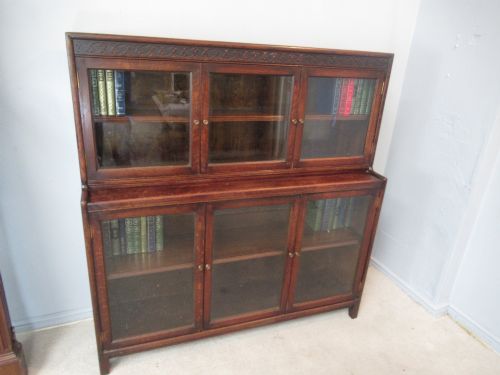
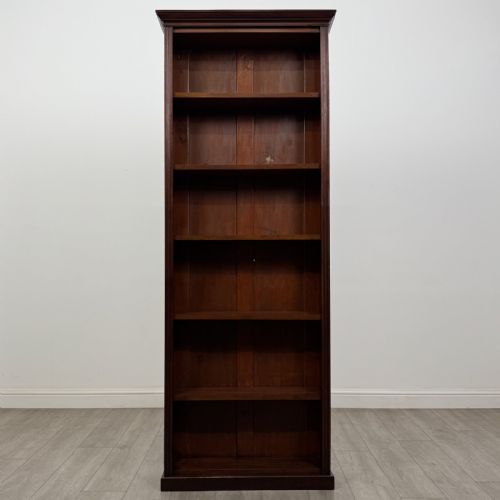

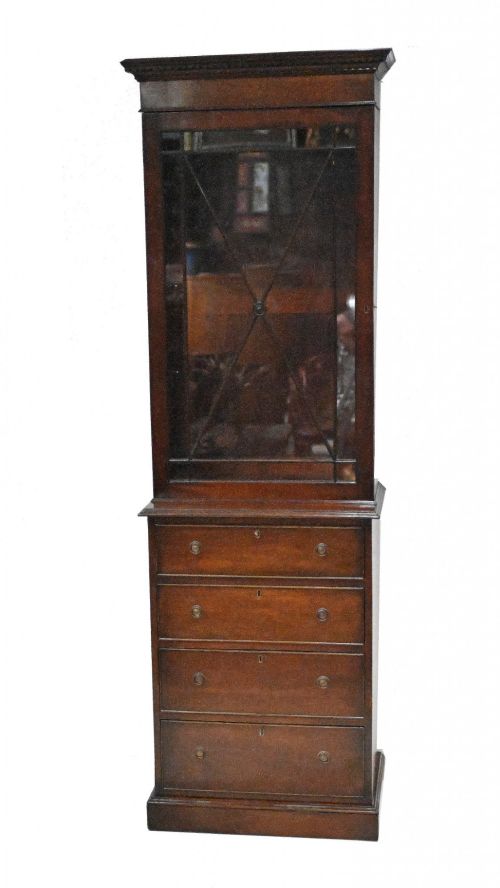
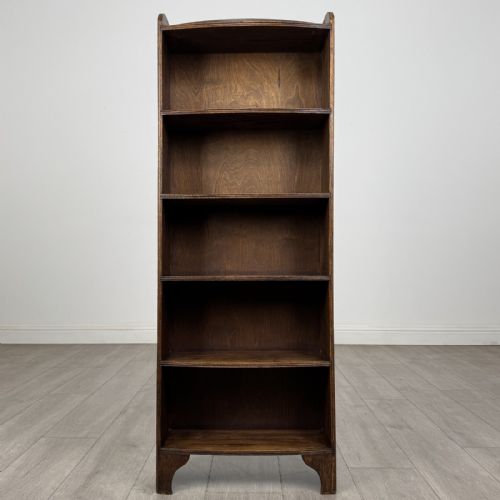
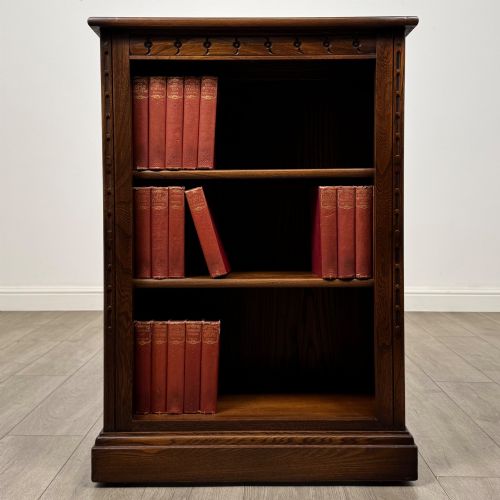
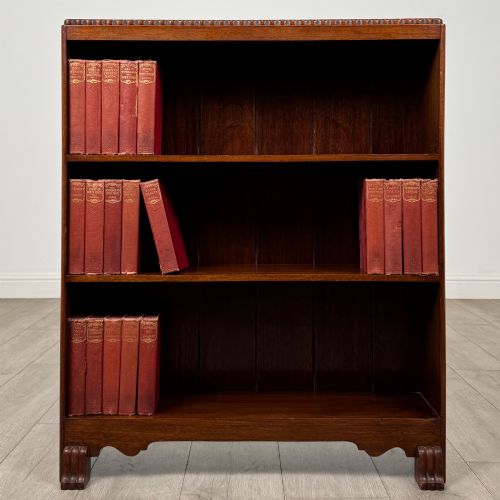
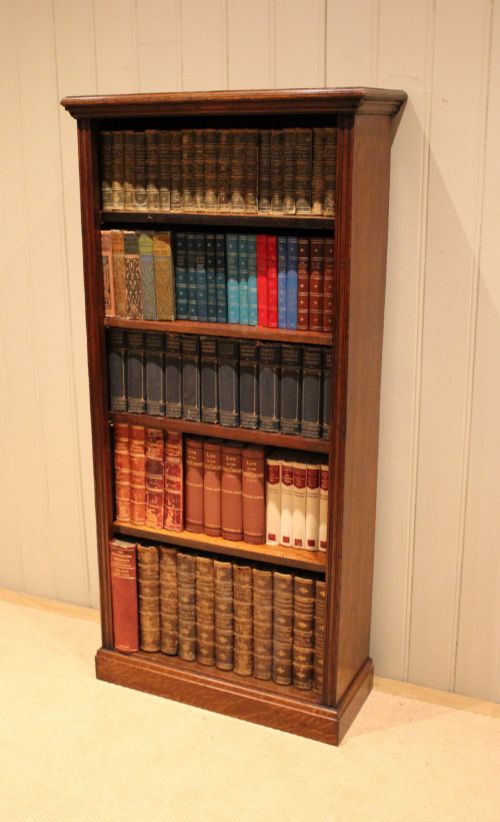
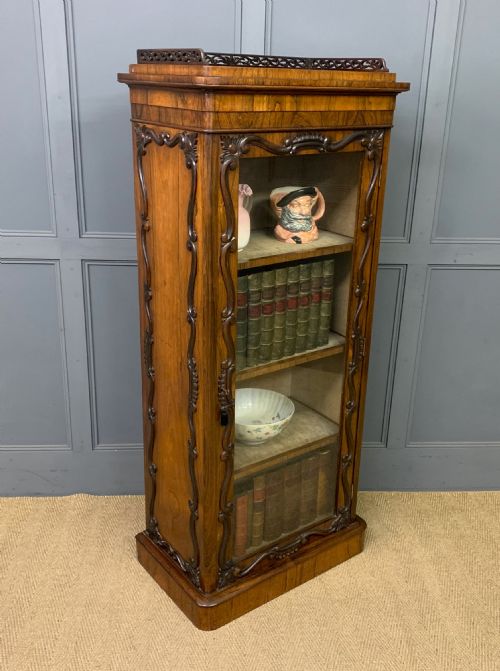


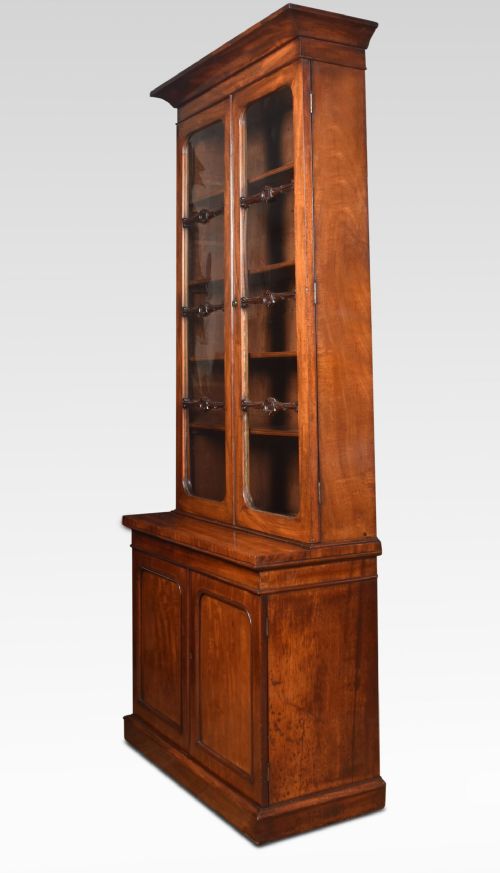
Narrow Book Cabinet
These narrow book cabinet pieces offer compact timber shelving for modest spaces, combining period cabinet-making with practical vertical storage.
Narrow Book Cabinet
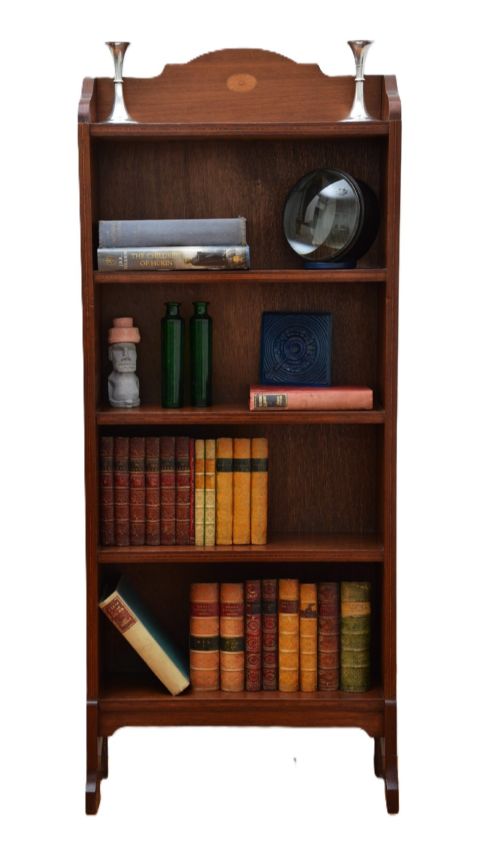
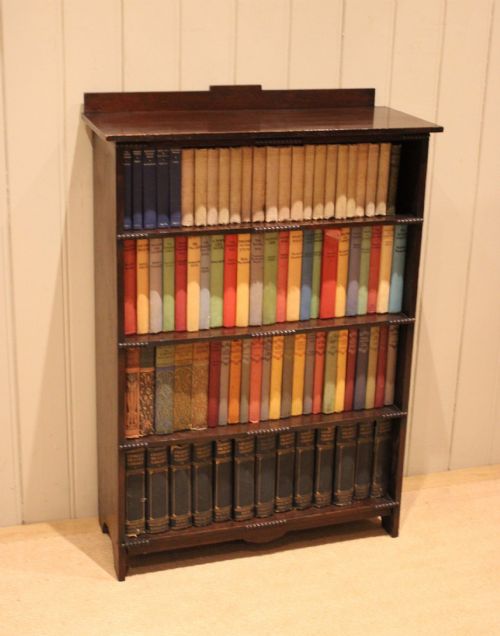
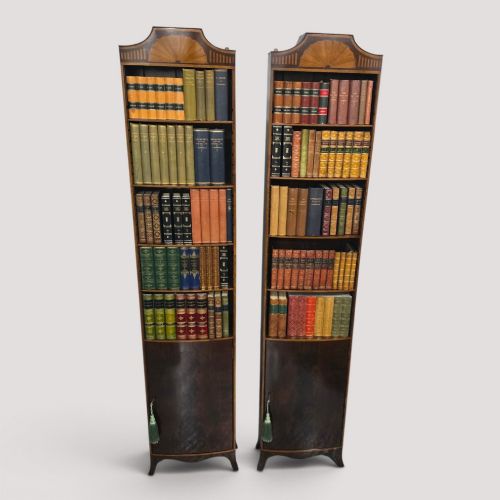
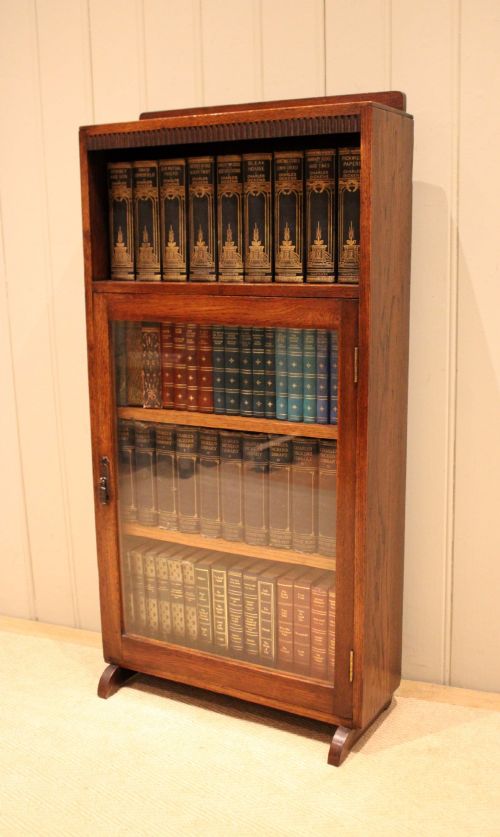
A narrow book cabinet provides tall, slender shelving built to fit tight wall spaces without dominating a room. These pieces span Victorian, Edwardian, and early twentieth-century periods, with styles ranging from plain open shelving to glazed or cupboard-base designs.
Most examples found here are mahogany or oak, constructed with open adjustable shelves or small doors below. Buyers encounter slim proportions designed specifically for smaller collections or alcoves.
Origins stretch across nineteenth-century and early twentieth-century workshops, showing both simple domestic utility and refined revival styling.
How they were made
Cabinet-makers relied heavily on mahogany and oak as primary structural timbers, often enhanced with rosewood, walnut, or satinwood inlay for decorative contrast. Timber selection dictated the stability and visual weight of each narrow frame.
Metal elements such as brass fixtures, ormolu mounts, and glass panels appeared on specific glazed and cabinet formats, requiring precise joinery to house doors and adjustable shelving tracks safely.
Narrow Book Cabinet Retail Price Guide 2026
Typical asking prices for narrow book cabinet among the pieces listed under this phrase on Sellingantiques today, from the lower quarter to the upper quarter. They describe what is for sale here now, not the wider market.
Styles include Victorian, Edwardian, Sheraton Revival, Jacobean Revival, Arts and Crafts, and French Empire.
What varies in quality
Superior examples demonstrate crisp timber selection, such as carefully matched mahogany veneers or rich grain figures in oak and walnut. The integration of fine satinwood inlay or well-cast ormolu mounts separates standard utility furniture from finer workshop production.
Construction standards show in the execution of adjustable shelving mechanisms and the soundness of applied mouldings. Well-made pieces maintain rigid structural integrity despite their slender, narrow footprints.
James Winter
The Narrow Book Cabinet Glossary
- Open bookcase
- A piece featuring exterior shelves without front doors, allowing immediate visibility of book spines. These form a large portion of the slender shelving found in domestic interiors.
- Inlay
- Contrasting timber or shell inserted into the primary wood surface to create decorative patterns. Satinwood is frequently utilised for this purpose on mahogany frames.
- Ormolu
- Gilded bronze applied as decorative mounts on nineteenth-century furniture. It provides metallic contrast against dark woods like rosewood and mahogany.
- Adjustable shelf
- A horizontal board supported on movable pegs or tracks, permitting variable shelf heights. This mechanism allows the owner to fit volumes of different sizes.
- Glazed door
- A frame fitted with glass panes that protects books from dust while keeping titles visible. These appear on closed cabinet variants.
Narrow Book Cabinet: Frequently Asked Questions
Where should I place a narrow book cabinet?
These slender pieces suit small alcoves, tight hallways, or corners where standard wide bookcases cannot fit.
Their compact proportions allow them to utilise vertical wall space effectively without overcrowding a room.
Are the shelves adjustable?
Many examples feature movable shelves supported by internal tracks or pins, accommodating volumes of varying heights.
Fixed shelving also appears on certain traditional variants, so checking the internal configuration remains helpful.
What is the difference between open and closed cabinets?
Open versions provide immediate access to books and display titles directly without barriers.
Closed or part-glazed cabinet variants include doors below or above to protect volumes from dust and light exposure.
How do I identify Victorian pieces?
Victorian examples typically utilise dense timbers like mahogany or rosewood, sometimes featuring deeper carved mouldings or rich French polish.
Construction methods from this period rely on traditional hand-cut joinery and solid timber carcases.