



Napoleon III Tub Chairs
Napoleon iii tub chairs bring nineteenth-century French seating into a room, offering curved comfort and classic upholstery.
Napoleon III Tub Chairs
Napoleon iii tub chairs are nineteenth-century French seating options designed with curved backs for enclosed comfort. Buyers searching for napoleon iii tub chairs encounter armchairs, salon suites, and berger armchairs alongside settees and canapes. The evidence on this page shows pieces dating from the nineteenth century, including examples from eighteen seventy and the Victorian period.
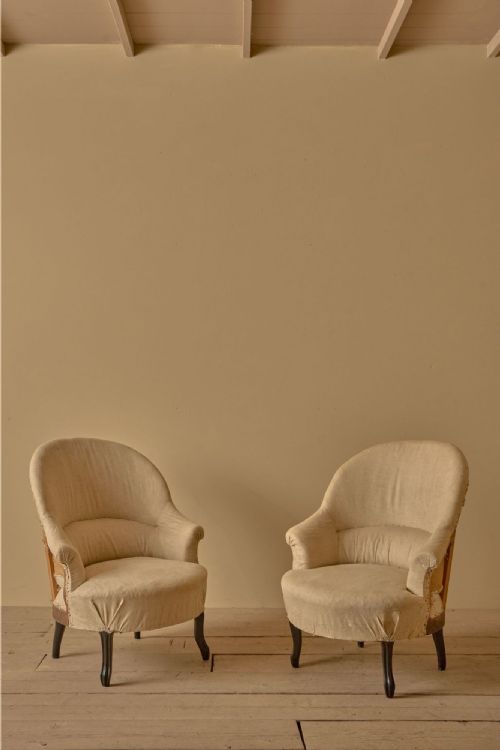
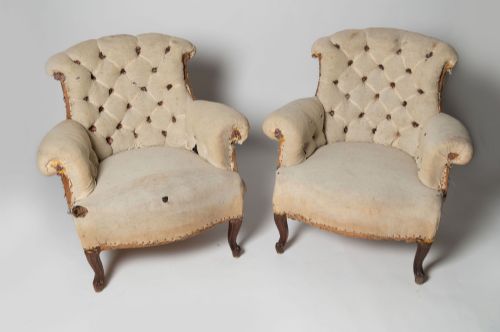
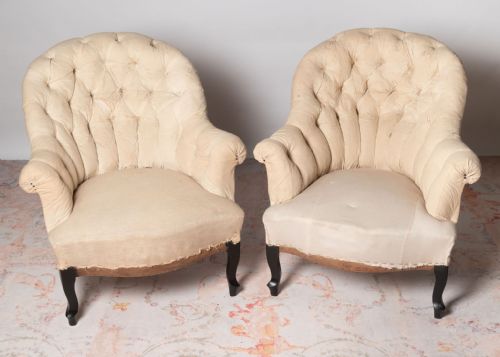
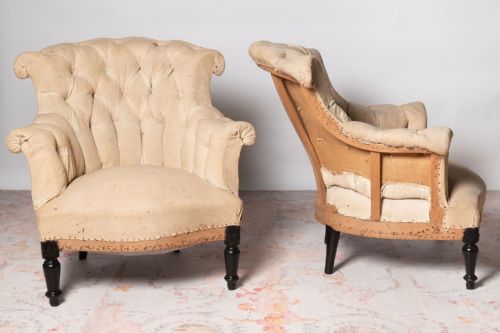
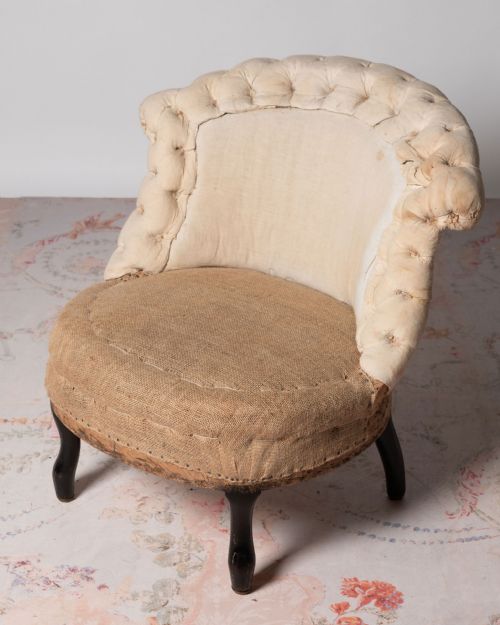
These armchairs and pairs of chairs frequently arrive in original or under-upholstered states using materials such as hessian, calico, and linen. French Napoleon III and French Empire styles dominate the forms currently listed by dealers. Most items originate from France, bringing distinct chateau character to contemporary interiors.
Materials and construction
Internal support and final presentation use traditional textile layers including hessian, calico, and linen beneath cotton and various decorative fabrics. Workshops built these chairs as durable salon furniture meant to withstand regular domestic use.
Napoleon III Tub Chairs Retail Price Guide 2026
Typical asking prices for napoleon iii tub chairs among the pieces listed under this phrase on Sellingantiques today, from the lower quarter to the upper quarter. They describe what is for sale here now, not the wider market.
Several chairs arrive wrapped entirely in raw hessian, looking delightfully ready for an upholstery adventure.
Assessing quality
Quality differences rest primarily in the refinement of the timber frame, the intricacy of any marquetry inlay, and the crispness of the gilt bronze mounts. Pieces featuring detailed woodwork and substantial proportions stand apart from simpler structural variants.
The integrity of the underlying frame and the historical accuracy of the chosen upholstery materials also influence the overall standard of each piece.
The Napoleon III Tub Chairs Glossary
- Tub chair
- An armchair featuring a continuous curved back and arms that form a single rounded enclosure. This form provides a snug seating experience.
- Bergere
- A closed-arm upholstered armchair with an exposed wooden frame and a padded seat. It originated in France during the eighteenth century and remained popular through the nineteenth.
- Marquetry
- Decorative inlay work where thin pieces of wood veneer are applied to a structure to form geometric or pictorial designs. It enhances the visual depth of the furniture surface.
- Gilt bronze
- Bronze metal treated with a gold or gilt finish, also known as ormolu. It is frequently applied as a decorative mount on nineteenth-century French furniture.
- Canape
- A traditional French settee or sofa designed to match salon armchairs. It accommodates multiple people while maintaining the style of the accompanying chairs.
Napoleon III Tub Chairs: Frequently Asked Questions
What defines napoleon iii tub chairs?
These pieces are nineteenth-century French armchairs characterised by rounded, enclosing backs and sturdy wooden frames. They were built for formal salons and domestic sitting rooms.
They frequently appear alongside matching salon suites, berger armchairs, and settees. Their design reflects the decorative tastes of the French Second Empire.
How were these chairs used historically?
Historically, these chairs served as comfortable seating in French chateaus and urban drawing rooms. Their enclosed tub shape offered protection from drafts in large, high-ceilinged rooms.
Pairs of these chairs often flanked fireplaces or provided conversational seating arrangements in formal reception areas.
How do I live with them?
Living with these chairs involves placing them in sitting rooms, bedrooms, or studies where their curved profiles can act as focal points. Many arrive in foundational materials like hessian or calico, allowing owners to choose custom top fabrics.
They pair well with both traditional antique furniture and clean contemporary decor, adding nineteenth-century French character to a space.
How do I tell periods apart?
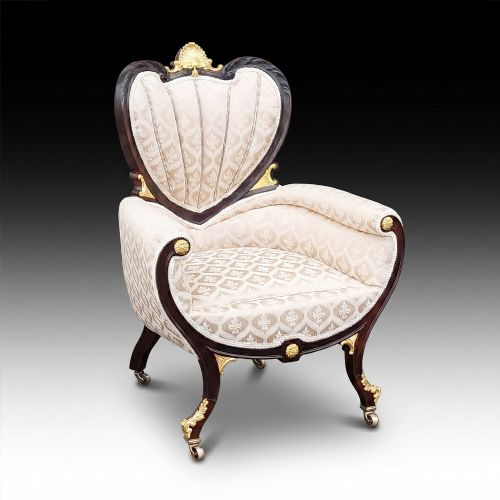
Distinguishing periods involves examining the woodwork, decorative mounts, and stylistic motifs present on the frame. Pieces marked as French Empire often feature mahogany and gilt bronze mounts, while nineteenth-century Napoleon III examples may utilise beech, giltwood, and marquetry.
Reviewing the specific materials and design details noted in each listing helps clarify the age and origin of the furniture.