





Multi Band Diamond Ring
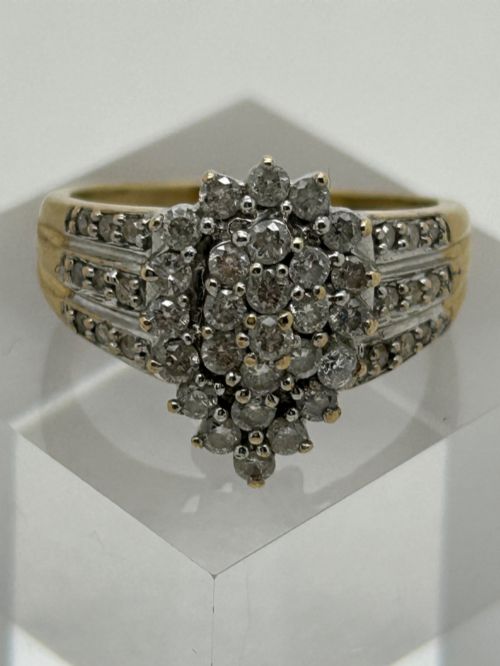
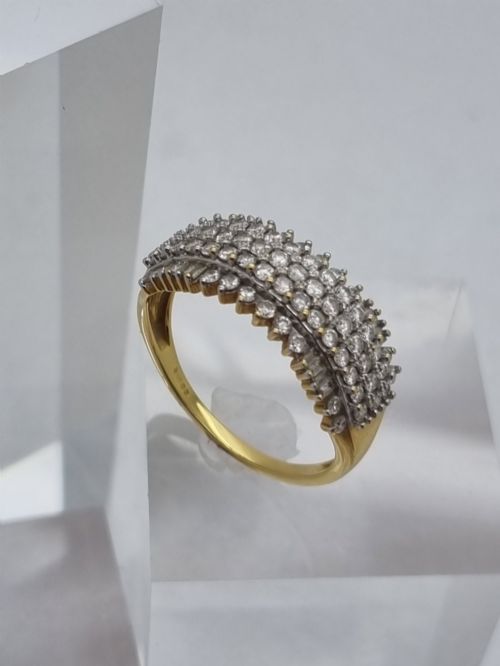
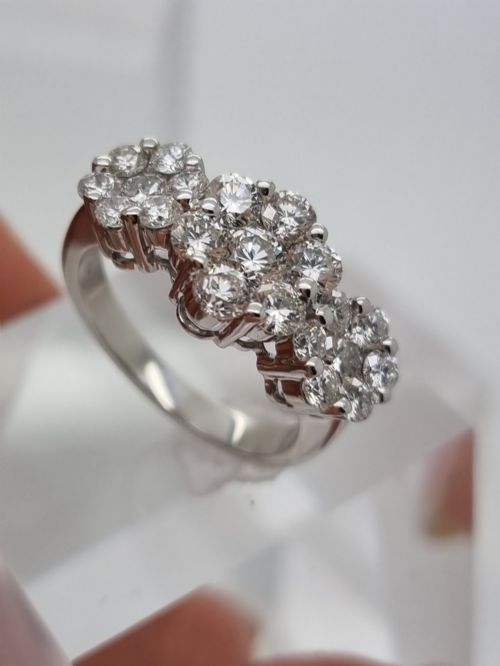
These multi band diamond ring examples span Edwardian, Art Deco, and mid-century periods, offering layered settings and stones.
Multi Band Diamond Ring
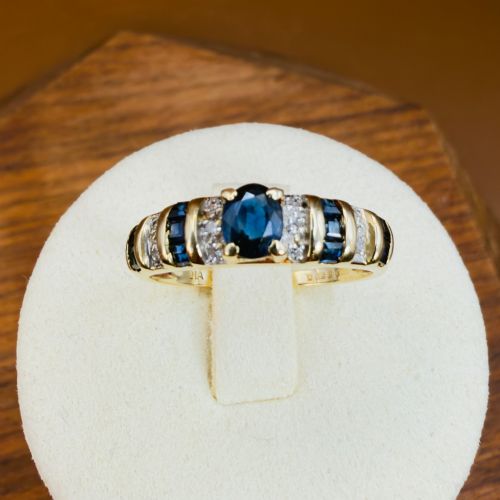
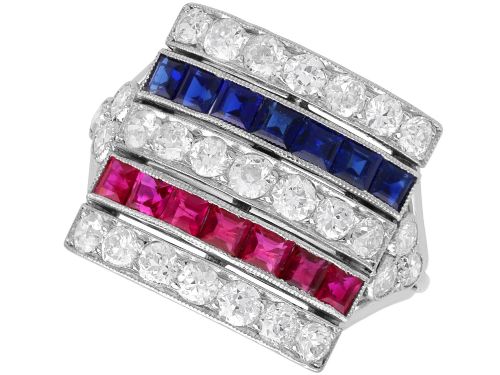
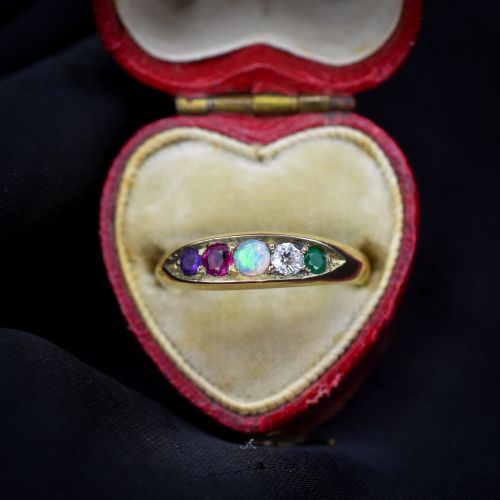
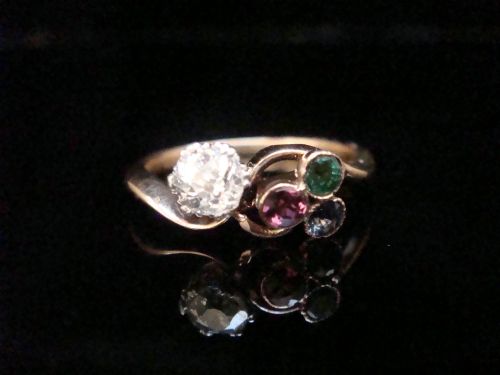
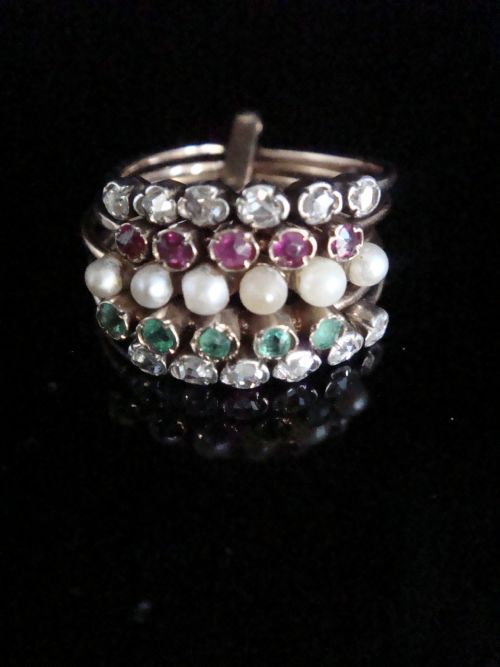
A multi band diamond ring brings together several parallel or interwoven bands, often incorporating stones like sapphire, emerald, ruby, or pearl alongside diamonds. The pieces found here range from Edwardian multi-row harem bands to 1930s art deco clusters and later twentieth-century multi-row designs.
Buyers encounter forms such as stacking ring bands, multi-gem clusters, and three-row configurations set in various gold tones. These rings utilise multiple bands to create width, movement, and rich colour combinations on the hand.
Materials and construction
Construction relies primarily on 18ct yellow gold, rose gold, white gold, and occasional platinum or silver-topped gold settings. Metals are formed into multiple parallel bands or flexible multi-row groupings that hold varied gemstone arrangements.
Gemstones including old cut diamonds, cultured pearls, sapphires, emeralds, and rubies are flush set, prong set, or clustered across the multiple bands. Workmanship reflects the period techniques of Edwardian multi-row stacking bands and later twentieth-century cluster architecture.
Multi Band Diamond Ring Retail Price Guide 2026
Typical asking prices for multi band diamond ring among the pieces listed under this phrase on Sellingantiques today, from the lower quarter to the upper quarter. They describe what is for sale here now, not the wider market.
Factors determining quality
Quality separates through the precision of the multi-band alignment, the security of the stone settings across each individual band, and the harmony of the coloured gemstones used alongside the diamonds. Finer examples maintain structural integrity and comfortable articulation across all rows.
The choice of materials, such as solid 18ct gold versus lighter carat alternatives, and the matching of old cut diamonds or natural gems dictate the standing of a piece. Superior execution ensures that multiple bands sit evenly and securely on the finger without rigidity.
Asprey
The Multi Band Diamond Ring Glossary
- Harem ring
- A ring composed of multiple interlocking or adjacent bands that sit together as a single wide unit on the finger. These multi-row bands often incorporate contrasting metals and coloured gems.
- Trilogy ring
- A ring featuring three primary stones, typically diamonds or a combination of diamonds and coloured gemstones. This setting style appears across Edwardian and later periods.
- Cluster ring
- A setting where a central stone is surrounded by a cluster of smaller stones, creating a concentrated focal point. In multi-band examples, clusters expand across multiple rows.
- Old cut diamond
- A diamond cut with hand-faceted proportions characteristic of older periods before modern brilliant cut standards. These stones exhibit softer facets and deep culets.
- Rose gold
- A gold alloy containing copper that gives the metal a distinct reddish or pinkish hue. This material is prominent in Edwardian multi-band stacking rings.
Multi Band Diamond Ring: Frequently Asked Questions
How do I wear a multi band ring?
These rings are designed to be worn on their own as a statement piece due to their width and multiple rows. Their multi-gem composition means they already combine several colours and textures.
Pairing them with delicate bands is usually unnecessary because the multi-row structure fills the finger space independently.
How do I date these rings?
Dating relies on the structural style, metal colours, and gemstone cuts present in the piece. Edwardian examples often feature rose gold, silver-topped gold, and old cut diamonds arranged in multi-row harem formats.
Later pieces from the 1930s art deco period or the mid-century utilise white gold, yellow gold, and distinct cluster geometries that mark their era.
Are all multi band rings adjustable?
Most multi band rings are fixed structures joined together and cannot be easily resized without specialised bench work. The multiple parallel bands must maintain their alignment around the finger.
Consulting a specialist jeweller is necessary for sizing adjustments to ensure the rows do not distort or lock incorrectly.