





Modernist Silver Jewelry
Modernist silver jewellery strips away superfluous ornament to celebrate clean architectural lines and honest materials.
Modernist Silver Jewelry
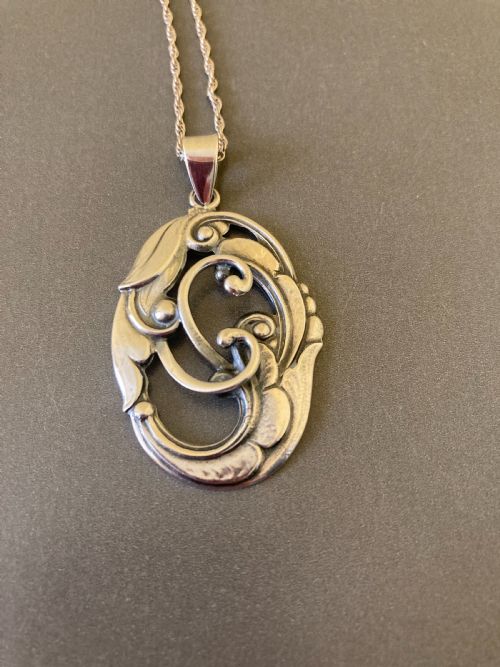
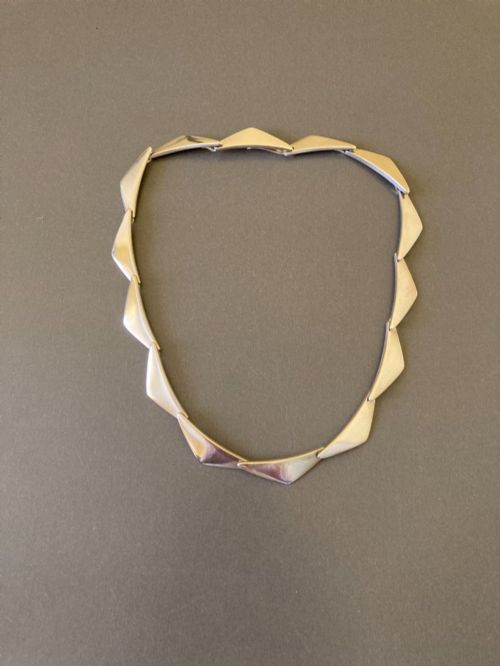
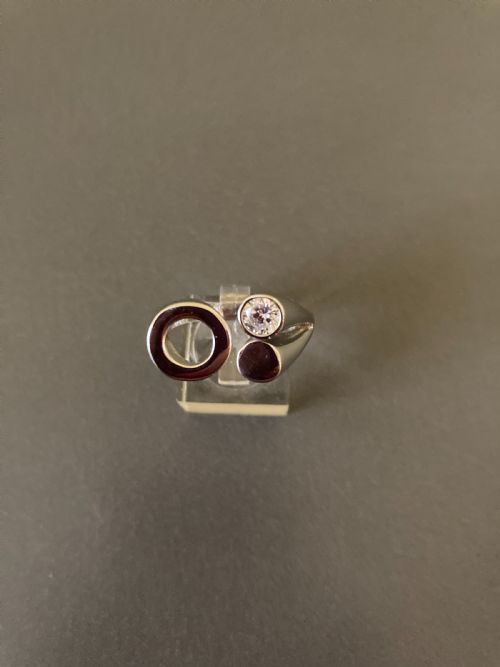
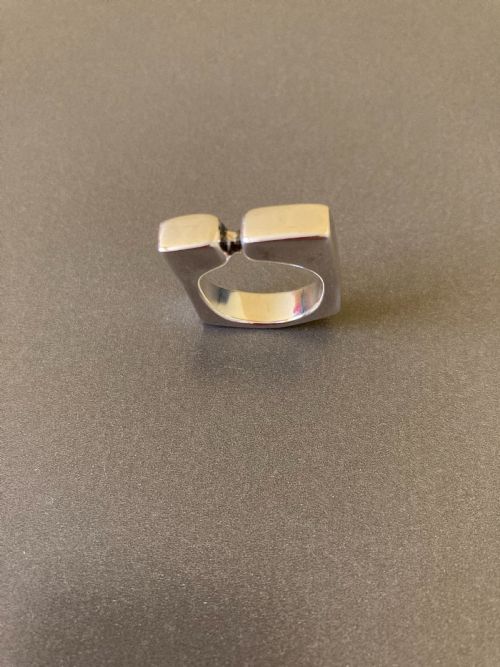
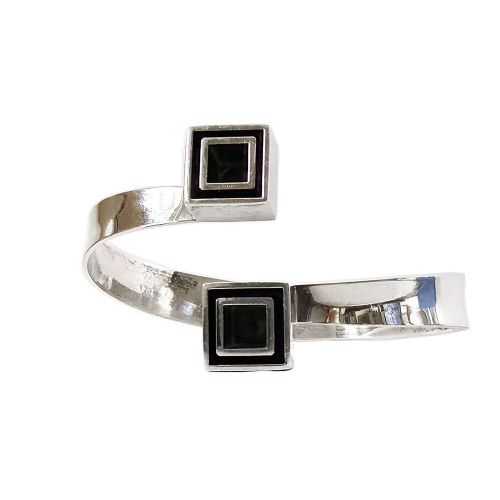
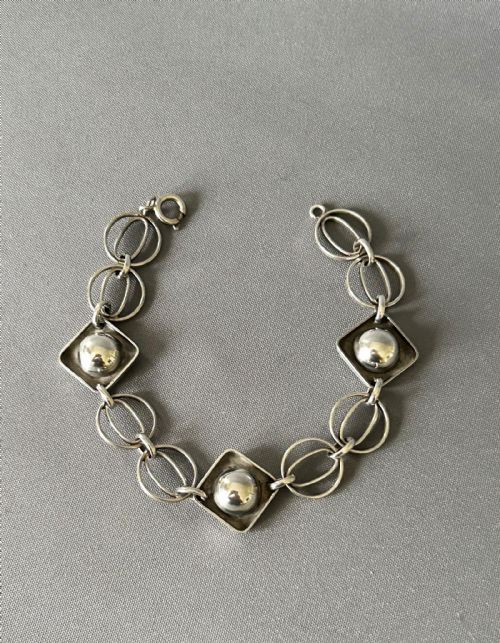
Modernist silver jewellery represents a decisive break from traditional decorative motifs, favouring geometric abstraction and sculptural forms. When searching for modernist silver jewellery, buyers encounter items ranging from stark industrial necklaces to fluid Scandinavian rings.
The objects on this page span the 1930s through the 1960s, alongside nineteenth-century and later examples. Necklaces, rings, brooches, and cufflinks dominate the selection, often incorporating regional characteristics from Denmark, Norway, Mexico, and Germany.
Materials and construction methods
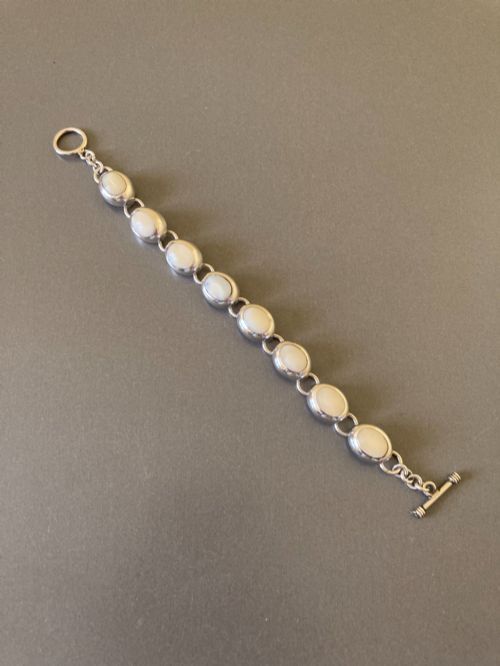
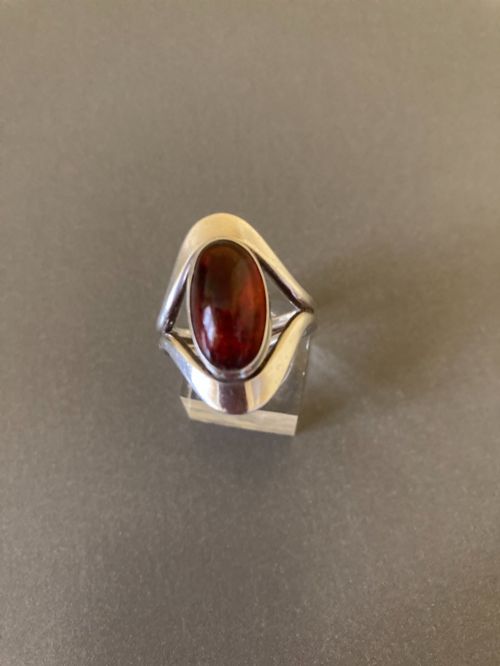
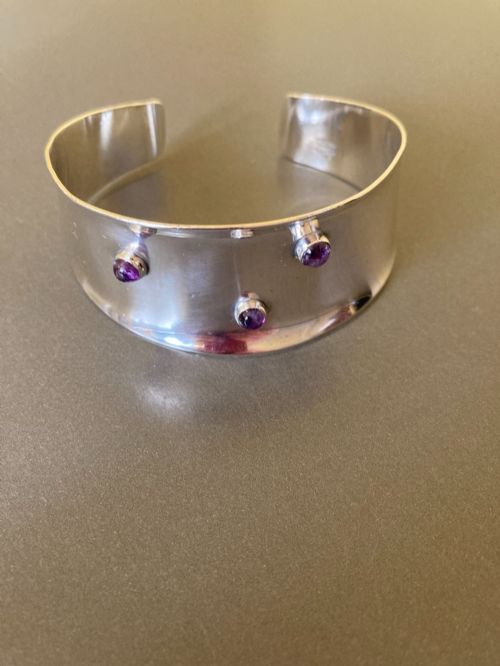
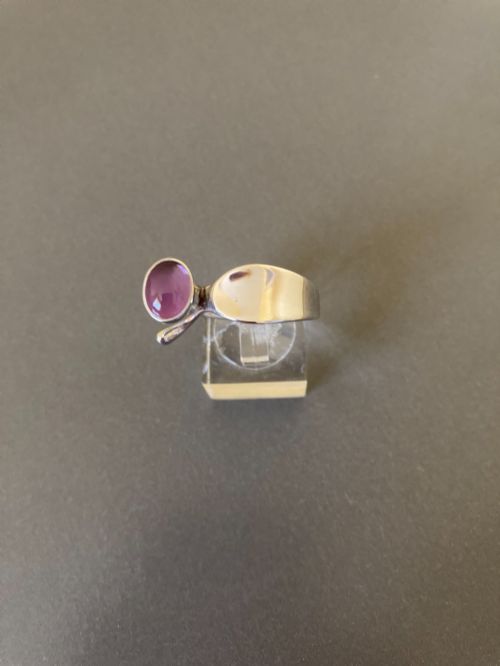
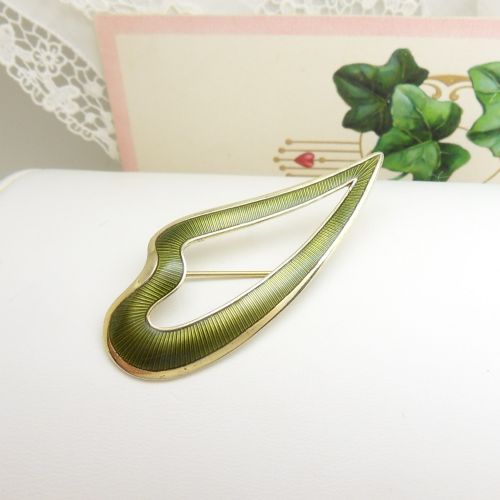
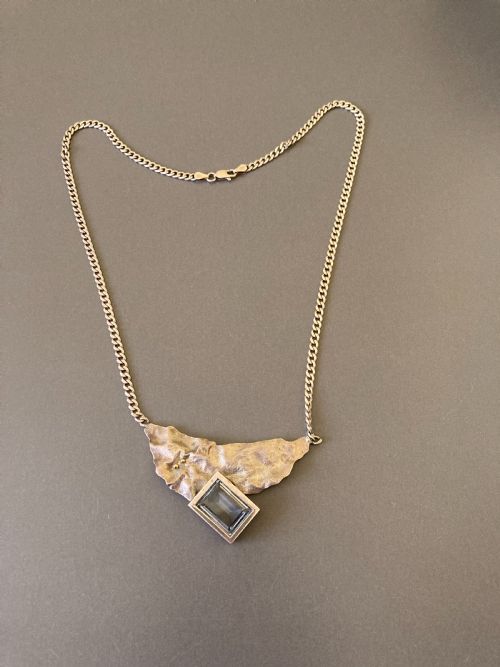
Sterling silver and standard silver form the metallic backbone of these pieces, frequently paired with chrome and galalith in earlier Art Deco works. Enamel provides vibrant patches of colour, while gemstones like amethyst, amber, moonstone, and topaz are set as cabochons or faceted stones.
Makers utilise casting, stamping, and hand-assembly techniques to achieve crisp edges and integrated stone settings. Surface finishes alternate between high polish and deliberate oxidisation to accentuate structural depth.
Modernist Silver Jewelry Retail Price Guide 2026
Typical asking prices for modernist silver jewelry among the pieces listed under this phrase on Sellingantiques today, from the lower quarter to the upper quarter. They describe what is for sale here now, not the wider market.
The material palette extends beyond silver to include chrome, galalith, enamel, and various stones like amber, amethyst, and moonstone.
Assessing quality and execution
Quality reveals itself in the precision of the metalwork and the integration of components. Superior pieces demonstrate rigorous attention to clasp design, hinge movement, and the secure mounting of stones.
The distinction between standard commercial production and master craftsmanship lies in the weight of the metal and the subtlety of surface finishing. Workshop provenance and clear hallmarks elevate the standing of individual pieces.
N E From·Georg Jensen·Vivianna Torun Bulow Hube·Aksel Holmsen·Randers Silver·Alton·Beto·David-Andersen·Jakob Bengel
The Modernist Silver Jewelry Glossary
- Cabochon
- A polished gemstone with a smooth, convex top and a flat or curved base. This cut avoids facets and highlights the natural colour and inclusions of stones like amber and amethyst.
- Sknvirke
- A Scandinavian design movement that bridges traditional craft and early modernism. It manifests in organic silver motifs found in northern European pieces.
- Dress clip
- A two-piece accessory featuring a hinged clip mechanism with teeth on the reverse. These items attach securely to dress lapels or necklines.
- Galalith
- A semi-synthetic plastic derived from casein and formaldehyde, widely utilised during the Art Deco period. It accepts bright dyes well and appears frequently in modernist chrome and metal necklaces.
- Torque
- A rigid, circular neck ring that remains open at the front. This form sits close to the collarbone and often terminates in integrated pendants or geometric terminals.
Modernist Silver Jewelry: Frequently Asked Questions
How do I identify modernist silver jewelry?
Look for abstract geometric shapes, asymmetrical designs, and an emphasis on the natural grain or polish of the silver rather than excessive ornamentation. These pieces often feature bold bezels and minimalist settings.
Examining the reverse frequently reveals maker marks, regional stamps, and silver purity hallmarks that help date and attribute the item accurately.
How should I care for silver jewellery with enamel?
Store each piece individually in a dry compartment to prevent scratching the glass-like enamel surface against other metals. Avoid using harsh chemical dips or ultrasonic cleaners.
Clean the silver gently with a soft polishing cloth, taking care to avoid rubbing abrasive substances directly onto enamelled or gemstone inlays.
Were these pieces designed for daily wear?
Many items were created for everyday use, reflecting mid-century shifts toward functional and versatile wardrobe accessories. Sturdy pins and robust links ensure durability for regular outings.
Delicate gemstone settings and older enamel pieces require greater mindfulness during wear to prevent impact damage.
What distinguishes Art Deco modernist pieces from mid-century designs?
Art Deco examples from the 1930s frequently employ industrial materials like chrome and galalith alongside stark, symmetrical geometry. Panel links and geometric dress clips typify this earlier era.
Mid-century works lean toward organic abstraction, fluid lines, and naturalistic stone inclusions inspired by Scandinavian and Mexican modernism.