

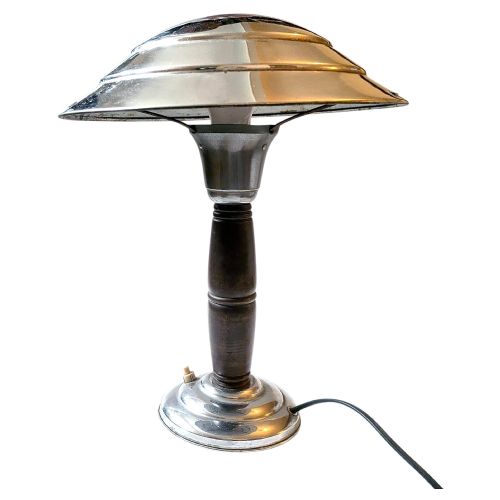


Modernist Desk Light
A modernist desk light brings industrial precision and clean geometric forms to a workspace, combining utility with distinct twentieth-century style.
Modernist Desk Light
A modernist desk light encompasses functional task illumination created during periods spanning from the 1920s to the 1960s. These pieces often overlap with table lamps designed for utilitarian and domestic workspaces.
The items most frequently encountered on this page originate from the 1930s, reflecting the streamlined aesthetic of that decade. Forms vary from simple adjustable stems to double shade configurations and sculptural glass designs.
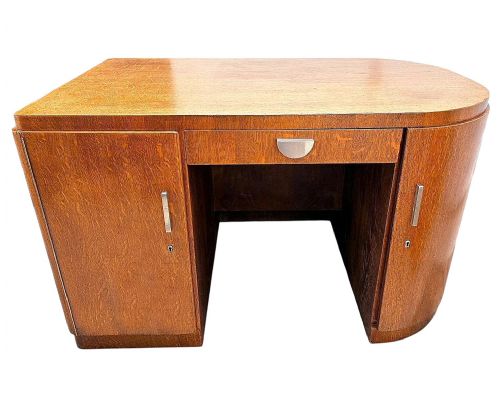
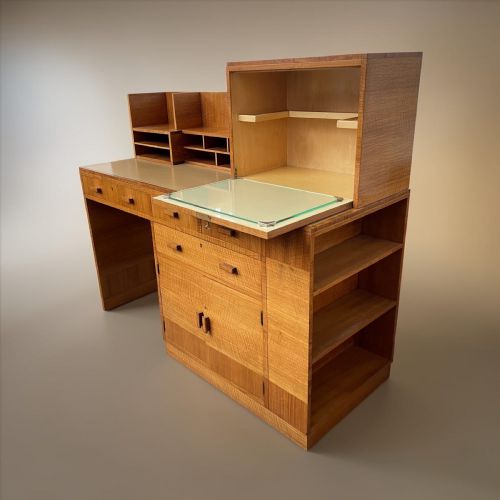
While primarily associated with desk lighting, the category also connects to broader modernist furniture forms such as desks and dressing tables. Buyers will find that British and French origins dominate the available selections.
Materials and Construction
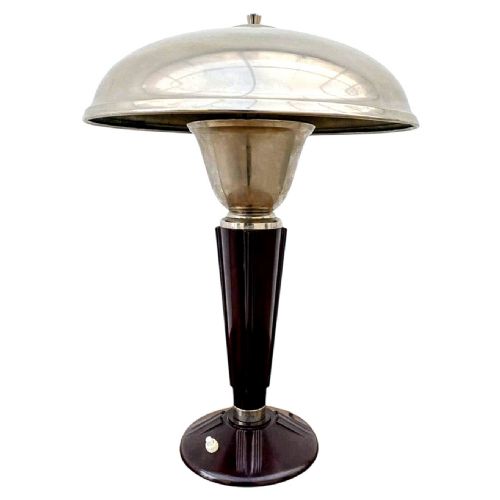
Metal fabrication forms the core of these lamps, utilising chrome, brass, and nickel to achieve polished and industrial surfaces. These metallic components are frequently paired with contrasting bases and fittings.
Bakelite and glass appear extensively for shades and structural elements, capturing the technological innovations of the interwar period. Wood components such as oak and mahogany also feature in mixed-media designs.
Construction techniques emphasise clean lines and functional articulation, aligning with Bauhaus and Machine Age principles. Shade makers such as Muller Bros provided specialised glass elements for specific French models.
Modernist Desk Light Retail Price Guide 2026
Typical asking prices for modernist desk light among the pieces listed under this phrase on Sellingantiques today, from the lower quarter to the upper quarter. They describe what is for sale here now, not the wider market.
Several lamps rely on heavy Bakelite switches that make a satisfying, authoritative click every time you sit down to work.
Assessing Quality
The caliber of a modernist desk light relies upon the integrity of its materials and the precision of its mechanical joints. Heavy gauges of chrome or brass indicate superior manufacturing standards compared to lighter alloys.
Design attribution elevates certain examples, particularly those associated with notable figures or specific continental workshops. Original glass shades, such as signed opaline or specialised moulded glass, distinguish exceptional pieces from standard production.
The coherence of mixed-material construction dictates overall visual success, where wood, metal, and glass balance harmoniously. Superior engineering ensures that adjustable arms and swivel mechanisms operate with sustained stability.
Eileen Grey·Angelo Brotto·Wilhelm Wagenfeld·Muller Bros·Heal's
The Modernist Desk Light Glossary
- Bakelite
- An early form of synthetic thermosetting plastic prized for its durability and rich dark lustre. It frequently forms the insulating bases and switch housings on 1930s task lighting.
- Machine Age
- A design aesthetic from the 1920s and 1930s that celebrated industrial efficiency, streamlined geometry, and polished metal surfaces. Lamps from this movement emphasise functional clarity.
- Bauhaus
- A German school of design influencing light fittings through its emphasis on minimalist geometry and rational utility. Wilhelm Wagenfeld designs established many of the tubular metal conventions seen in this period.
- Opaline glass
- A type of semi-translucent white glass that diffuses bulb glare evenly across a workspace. It is commonly found in mid-century and 1930s shade manufacturing.
- Nickel plating
- An electroplated coating applied to brass or iron bases to provide a warm metallic sheen. It precedes the brighter, bluer tone of subsequent chrome plating.
Modernist Desk Light: Frequently Asked Questions
How do I identify a 1930s desk light?
Examine the primary materials, which typically combine heavy chrome plating, polished brass, and moulded Bakelite components. The silhouettes rely on unadorned geometric shapes rather than historical revival ornamentation.
Check for weighted circular bases and adjustable metal stems designed for direct task illumination. French and British examples from this decade often display stamped or marked metalwork beneath the base.
Are these lamps suitable for modern workspaces?
These pieces integrate effectively into contemporary studies by providing focused directional lighting and compact footprints. Many have been rewired to meet current electrical standards while retaining their original switches and flex.
Ensure the bulb wattage matches the vintage socket capacity to protect original wiring and delicate glass shades. Position the desk light to make full use of the adjustable arms and swivel joints.
What is the difference between Art Deco and Bauhaus lights?
Art Deco lighting often incorporates luxurious materials like polished nickel and rich hardwoods alongside decorative stepped forms. The emphasis remains on decorative luxury combined with practical utility.
Bauhaus designs strip away ornamentation entirely to focus on tubular steel, clear glass, and industrial efficiency. These pieces prioritize stark functionalism and mass-producible geometric forms.
How should I care for chrome and brass parts?
Dust metal surfaces regularly with a soft, dry cloth to prevent the accumulation of abrasive particles. Avoid harsh chemical polishes that can strip thin vintage plating from brass or nickel components.
Preserve Bakelite elements by wiping them with a damp cloth and mild soap, drying them immediately. Inspect the weighted base pads periodically to ensure they do not scratch delicate desktop surfaces.