





Modernist Barware
Modernist barware combines clean metallic surfaces and striking geometric forms to bring sophisticated vintage cocktail service into the home.
Modernist Barware
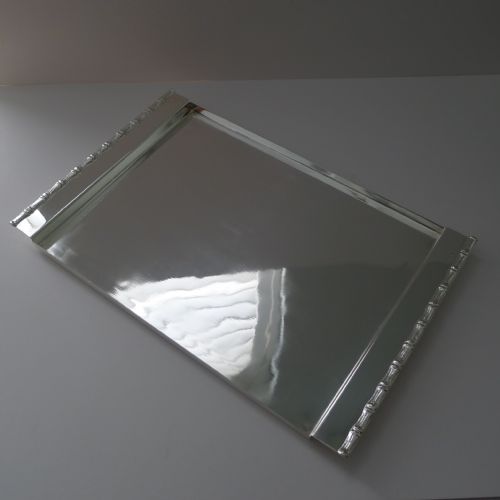
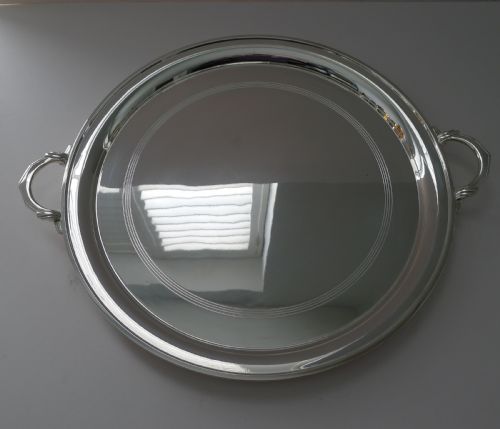
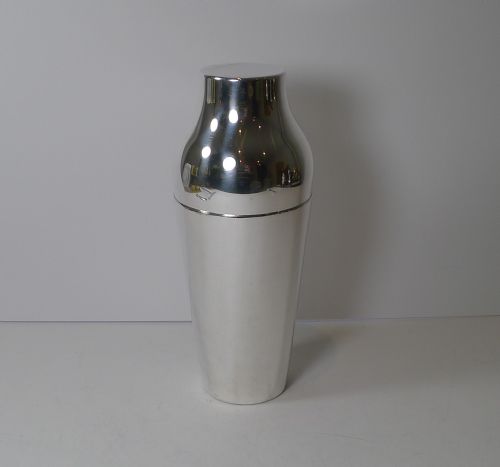
When you search for modernist barware, you encounter pieces designed for mixing, holding, and serving drinks during the twentieth century. These items span the Art Deco period of the 1930s through to the mid-century designs of the 1950s and 1960s. The selection on this page focuses heavily on serving trays, cocktail shakers, ice buckets, wine coolers, and tantali.
The objects originate from notable European workshops and designers across England, France, and Italy. You find forms shaped by major figures such as Keith Murray, Jacques Adnet, and Lino Sabattini working for firms like Christofle, Mappin & Webb, and Hukin & Heath. Most pieces adhere to Mid-Century Modern or Art Deco styles, showing a clear evolution in drinking culture over three decades.
Materials and construction
Makers utilised durable base metals finished with silver plate, electroplated nickel silver, or polished chrome to achieve a bright, reflective finish. Glass inserts provide contrast and practicality in pieces like tantali, while cut glass adds texture to cocktail containers. These hardwearing metallic and vitreous materials ensure the vessels withstand regular liquid service.
Makers occasionally introduced organic elements such as bamboo handles and Macassar ebony to soften the cold metallic geometry. Construction methods combined precise metal shaping with fitted glass components, resulting in robust trays, shakers, and coolers built for functional entertaining.
Modernist Barware Retail Price Guide 2026
Typical asking prices for modernist barware among the pieces listed under this phrase on Sellingantiques today, from the lower quarter to the upper quarter. They describe what is for sale here now, not the wider market.
Evaluating quality and design
Quality rests in the attribution to a known designer or maker, such as Keith Murray or Lino Sabattini, alongside the reputation of producing factories like Christofle. Pieces bearing specific marks or attributed to celebrated design hands carry greater distinction than anonymous production pieces.
Material combination and decorative detailing also set items apart, such as the integration of Macassar ebony or shaped bamboo handles on silver plated frames. The purity of the modernist line and the integration of mixed media determine the refinement of each serving vessel.
Keith Murray For Mappin & Webb·Jacques Adnet·Lino Sabattini For Christofle·Hukin & Heath·Orfèvrerie Christofle, Paris
The Modernist Barware Glossary
- Tantalus
- A locked frame holding decanters that displays the contents while preventing unauthorised access. The bottles must remain unlocked or removed to pour.
- Electroplated nickel silver
- A base metal alloy coated with a layer of pure silver through an electrolytic process. It provides a bright metallic sheen for serving pieces.
- Macassar ebony
- A heavily figured exotic wood with dark brown and warm yellow streaks. It appears on trays and furniture for striking visual contrast.
- Cocktail shaker
- A vessel used to mix drinks by shaking with ice before straining into glasses. Mid-century examples often feature multi-part metal constructions.
Modernist Barware: Frequently Asked Questions
What is included in modernist barware?
The category encompasses cocktail shakers, serving trays, ice buckets, wine coolers, and tantali designed for entertaining. These functional items date from the 1930s to the 1960s.
Materials typically include silver plate, chrome, glass, and electroplated nickel silver, sometimes accented with Macassar ebony or bamboo.
How do I date these pieces?
Dating relies on stylistic markers and manufacturer stamps that point to the 1930s Art Deco era or the 1950s and 1960s Mid-Century Modern period. Geometric lines often indicate earlier decades, while organic handles suggest the sixties.
Maker marks stamped onto the base of silver plated or chrome items help confirm the exact production window.
How do I clean silver plated barware?
Clean silver plated items gently using a specialised silver polish and a soft cloth to protect the underlying metal finish. Avoid harsh abrasives that might strip the plating over time.
Wash glass components separately in warm soapy water and dry thoroughly before reassembling with the metal frames.
Who designed these pieces?
Notable designers associated with these items include Keith Murray, Jacques Adnet, and Lino Sabattini. Their work was produced by prominent European manufacturers such as Christofle, Mappin & Webb, and Hukin & Heath.
Signed pieces often bear maker stamps or engraved signatures confirming their origin.