

Mission Style Stand
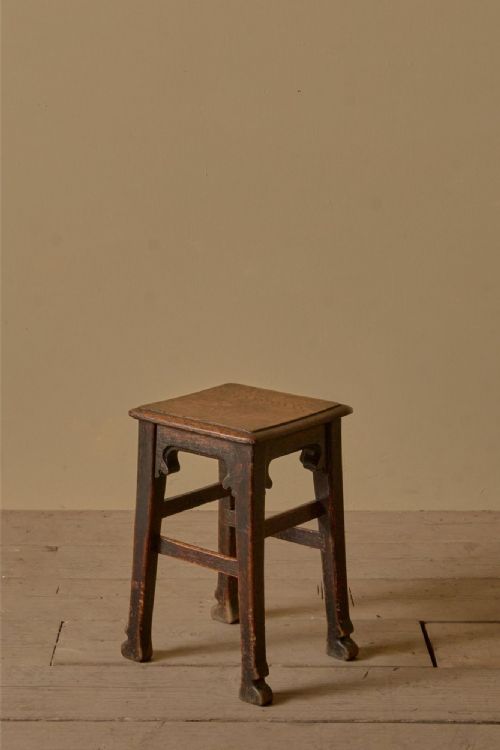
Mission style stands bring honest construction and solid timber into a room, offering functional utility rooted in the Arts and Crafts movement.
Mission Style Stand
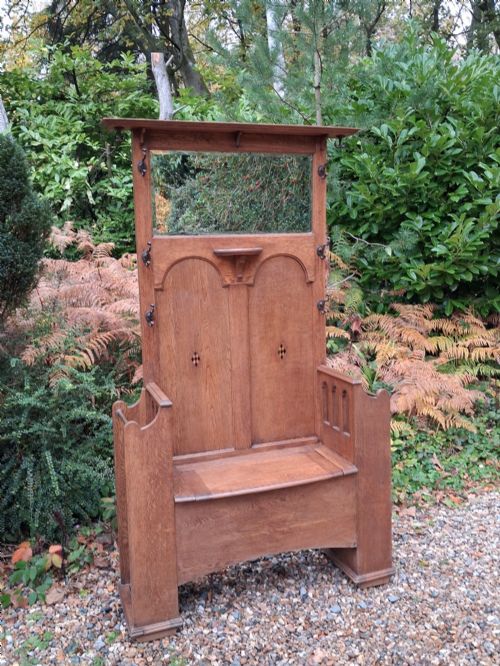
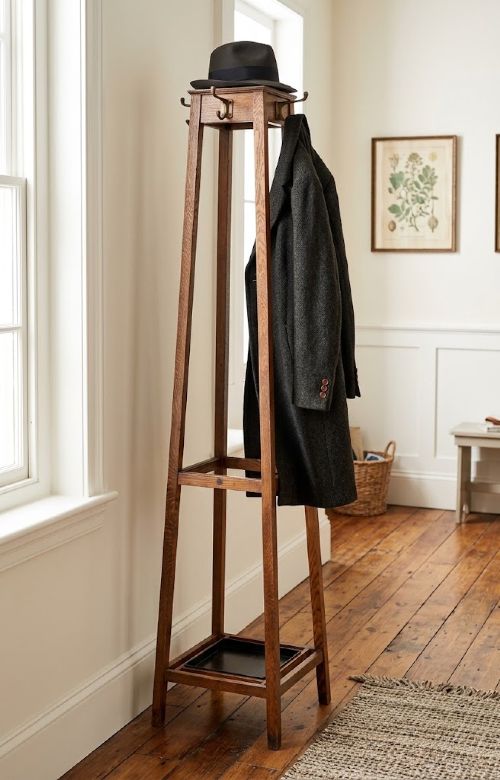
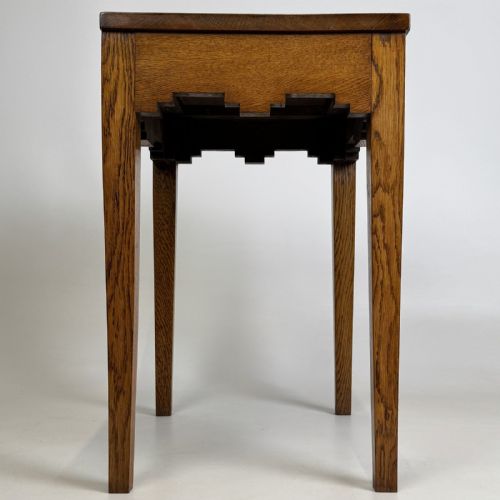
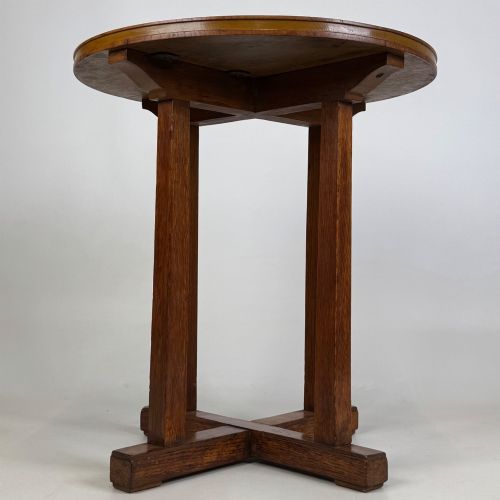
A mission style stand encompasses practical oak furnishings designed during the late nineteenth and early twentieth centuries, spanning periods from the 1880s through to the 1930s. These pieces include plant stands, stick and umbrella stands, side tables, and hall stands intended for everyday domestic utility.
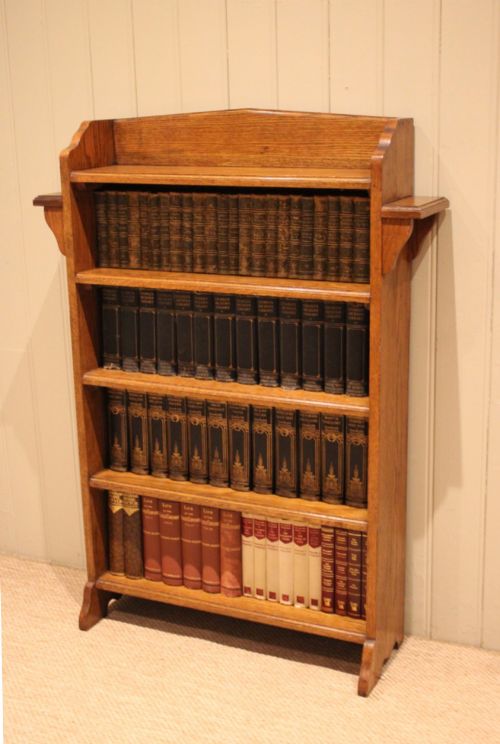
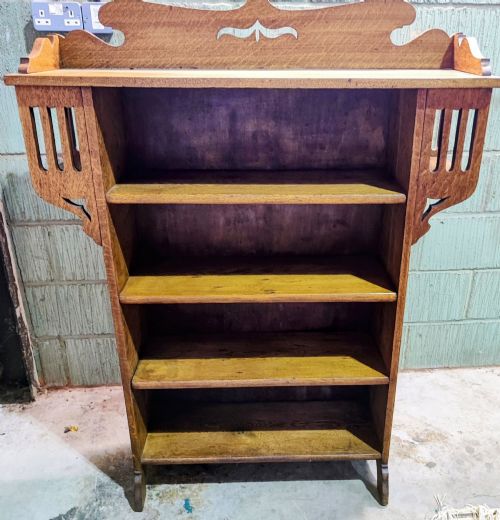
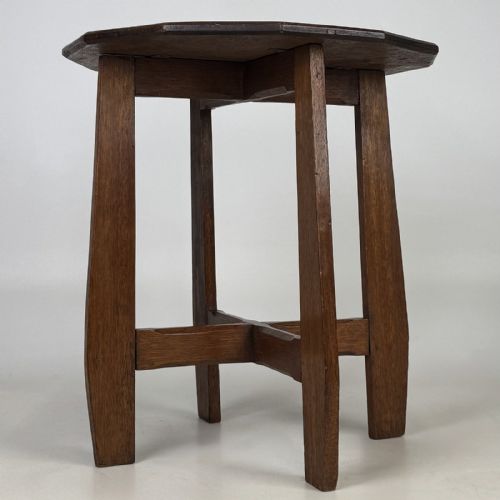
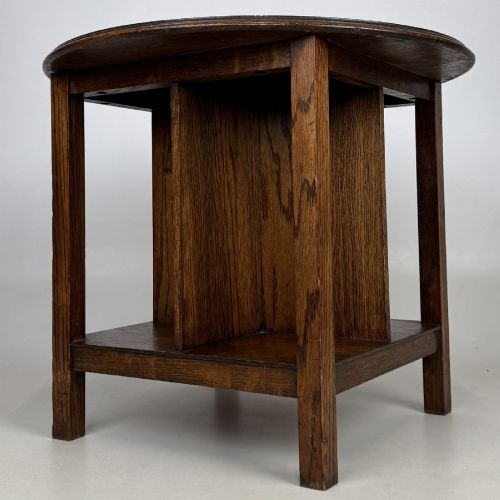
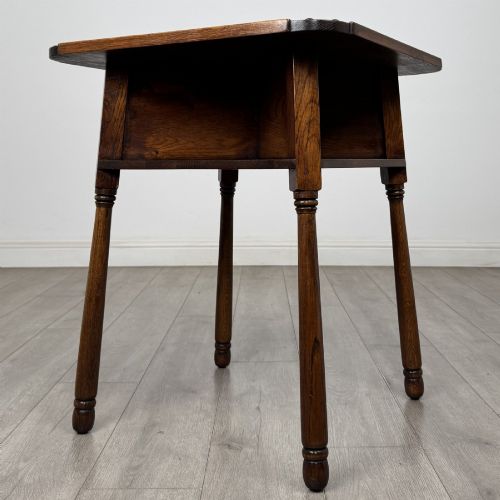
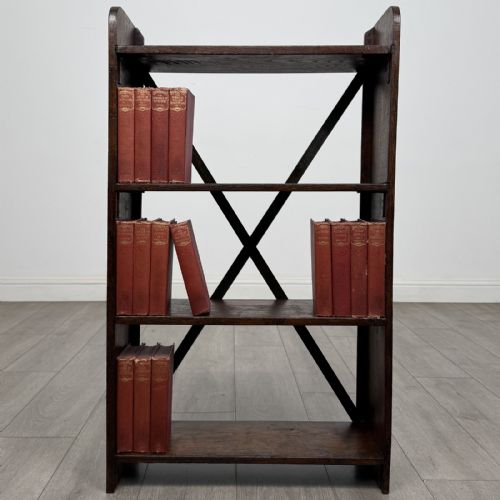
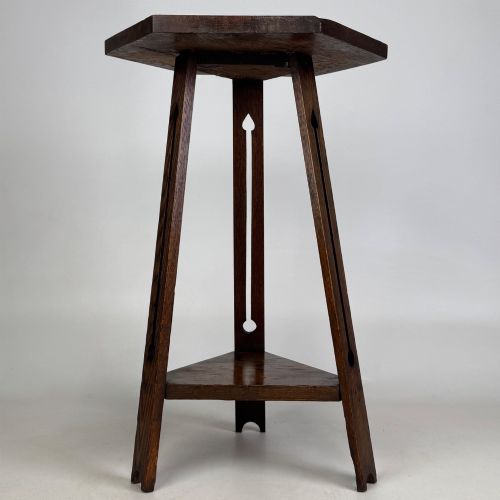
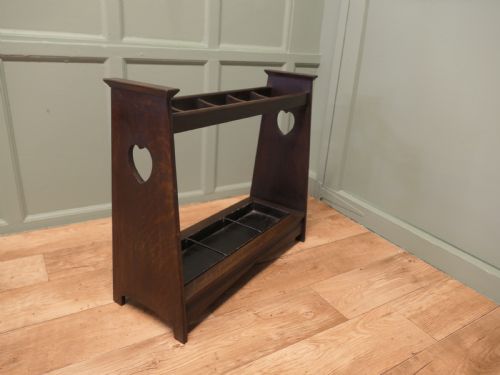
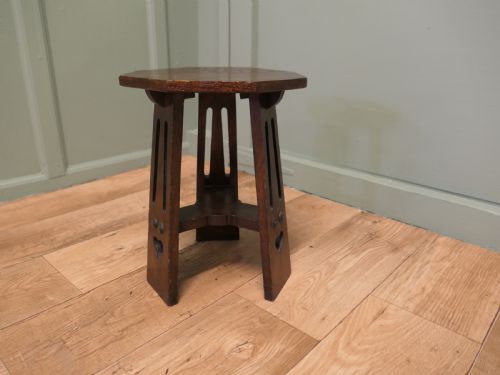
The version most commonly met on this page is the oak side table or plant stand, often featuring octagonal or hexagonal tops and open framework. Buyers also frequently encounter specialised pieces like umbrella stands and bookcases reflecting the Arts and Crafts aesthetic.
How they were made
Makers built these pieces primarily from solid oak, sometimes utilising golden oak finishes to highlight the natural grain of the timber. Construction techniques relied on pegged joints and sturdy joinery rather than concealed fixings.
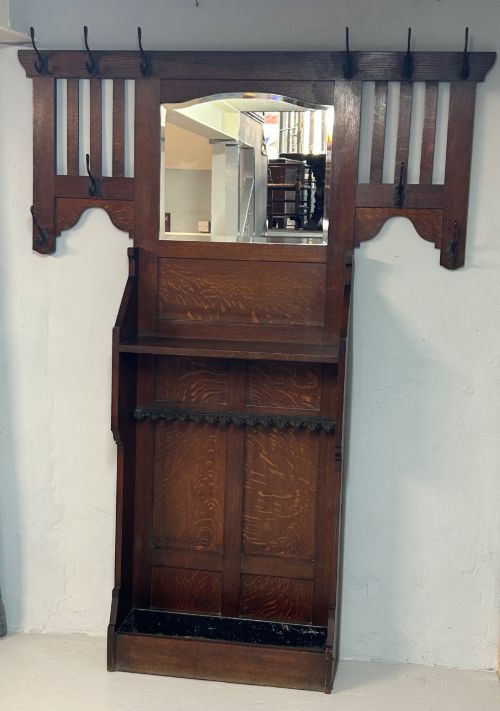
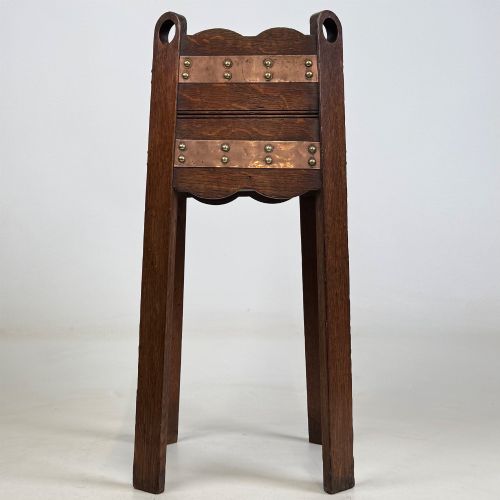
Metal components such as iron, brass, copper, and zinc appear as structural details, cross backs, or decorative accents on umbrella and hall stands.
Mission Style Stand Retail Price Guide 2026
Typical asking prices for mission style stand among the pieces listed under this phrase on Sellingantiques today, from the lower quarter to the upper quarter. They describe what is for sale here now, not the wider market.
Listings span several decades, featuring pieces from the 1880s, Edwardian eras, and up to the 1930s.
What varies in quality
Quality rests in the weight of the timber and the integrity of the joinery, distinguishing standard production items from more substantial workshop pieces. Solid oak construction with pegged joints and considered proportions represents the stronger end of the range.
The refinement of secondary materials, such as hammered brass detailing or hand-wrought iron hardware, separates simpler utility items from finer examples of the style.
Liberty Design
The Mission Style Stand Glossary
- Arts and Crafts
- A design movement emphasising handcraftsmanship, simple forms, and traditional joinery over industrial mass production.
- Golden Oak
- A warm, light-toned oak finish popular on furniture from the late nineteenth and early twentieth centuries.
- Pegged Joint
- A traditional wood-working method using wooden pins to secure mortise and tenon joints without metal nails.
- Hall Stand
- A tall piece of furniture placed near an entrance to hold coats, hats, and walking sticks.
- Plant Stand
- A small freestanding table or pedestal designed specifically to elevate potted plants within a room.
Mission Style Stand: Frequently Asked Questions
What is a mission style stand?
A mission style stand is an oak furnishing from the late nineteenth or early twentieth century that prioritises sturdy construction and utilitarian function. These pieces typically display the unpretentious lines associated with the Arts and Crafts movement.
They serve practical purposes around the home, functioning as plant holders, side tables, coat storage, or umbrella repositories.
How do I date an oak stand?
Dating relies on observing construction methods, timber treatment, and stylistic cues recorded across periods from the 1880s to the 1930s. Edwardian examples often feature simpler domestic forms, while pieces marked as 19th Century reflect earlier design origins.
Examining the use of iron or brass hardware alongside the shade of the oak provides further clues to the decade of manufacture.
Where should I place a plant stand?
A plant stand suits corners or window spaces where natural light supports indoor greenery while allowing the timber frame to remain visible. Their compact footprints make them adaptable for hallways and smaller reception rooms.
Ensure the placement protects the oak surface from moisture damage by using saucers beneath potted plants.
Are these stands made of solid wood?
The pieces listed across this page are constructed from solid oak, sometimes incorporating secondary metals like iron, brass, or copper for structural support and detail. This reliance on natural timber gives the furniture its weight and durability.
Care involves regular dusting and occasional polishing to maintain the condition of the oak grain.