



Mission Style Cabinet
A mission style cabinet embodies the robust utility and honest construction of the Arts and Crafts movement, offering practical storage with enduring architectural lines.
Mission Style Cabinet
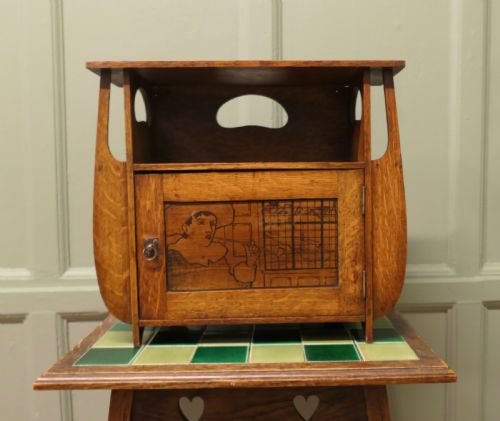
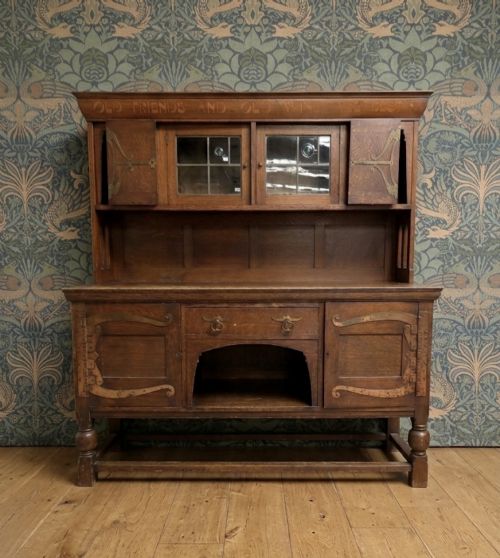
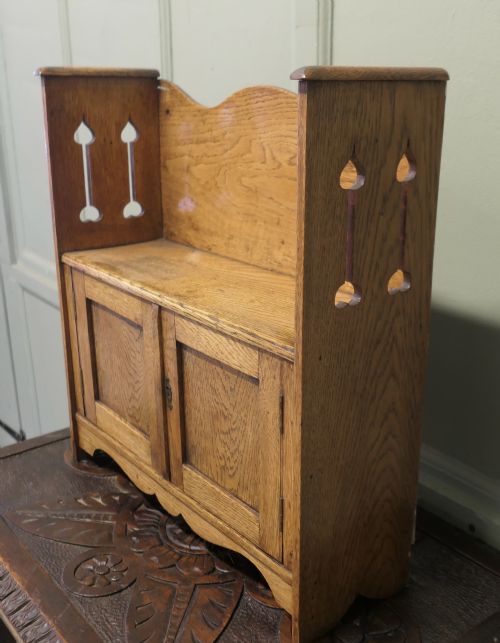
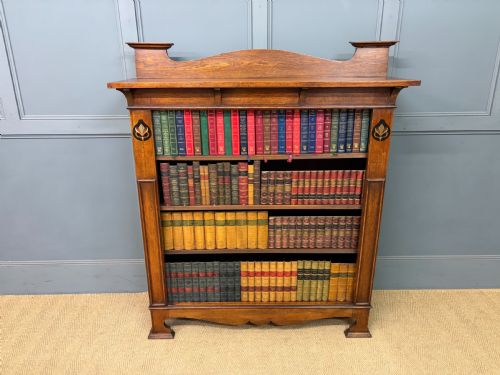
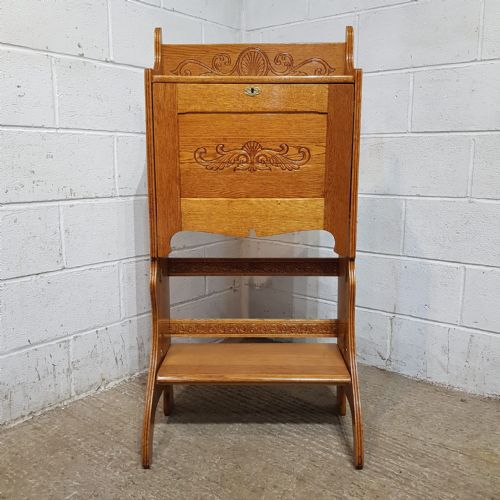
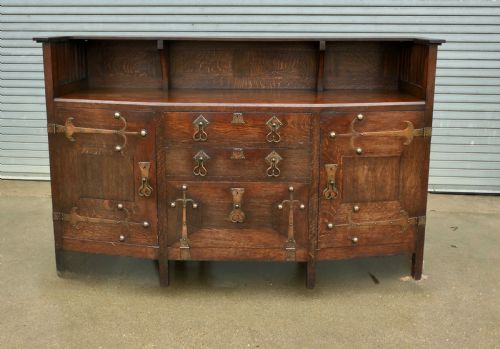
A mission style cabinet encompasses practical oak forms created during the late nineteenth and early twentieth centuries, specifically aligned with the Arts and Crafts movement. These items range from wall cabinets and bookcases to substantial sideboards, bureaus, and dressers designed for domestic utility.
The version most commonly met on this page is the oak sideboard or wall cabinet produced between eighteen eighty and nineteen ten. These forms emphasise straightforward rectilinear shapes and functional storage rather than superfluous ornamentation.
How they were made
Makers utilised solid oak, often described as golden oak, building structures that prioritised timber grain and physical stability. Metal elements such as brass, iron, and copper appeared in hinges, handles, and strapwork, fastened directly to the wood.
Surface decoration remained restrained, occasionally incorporating marquetry or inlay to accent the natural properties of the timber. Shelves within bookcases and cabinets were engineered for practical adjustment, whilst doors incorporated glass panels to display contents clearly.
Mission Style Cabinet Retail Price Guide 2026
Typical asking prices for mission style cabinet among the pieces listed under this phrase on Sellingantiques today, from the lower quarter to the upper quarter. They describe what is for sale here now, not the wider market.
Height-adjustable shelves solve the eternal puzzle of where to put unusually tall books without building a custom library.
What varies in quality
Quality rests in the architectural ambition of the design and the pedigree of its creation. Pieces bearing attribution to specific designers or retailers command distinct attention compared to anonymous workshop output.
The selection of timber grain and the execution of structural joinery differentiate standard production from superior examples. Hardware execution, such as hand-hammered copper or brass work, further separates ordinary storage from distinguished furniture.
Ambrose Heal for Heal & Son·Leonard Wyburd·Liberty & Co.
The Mission Style Cabinet Glossary
- Arts and Crafts
- A design movement spanning the late nineteenth and early twentieth centuries that valued traditional craftsmanship, simple forms, and honest materials. It rejected mass production in favour of visible hand-work.
- Sideboard
- A large dining room cabinet used for storing tableware and serving food. These items typically feature cupboards, drawers, or open top sections.
- Marquetry
- The art of applying decorative pieces of veneer to a structure to form geometric or pictorial designs. This technique adds subtle surface detail without obscuring the base timber.
- Golden oak
- A warm, honey-toned finish applied to oak furniture popular during the Arts and Crafts period. It highlights the natural medullary rays in the timber.
Mission Style Cabinet: Frequently Asked Questions
What is a mission style cabinet?
A mission style cabinet is a piece of wooden furniture rooted in the Arts and Crafts movement, characterised by sturdy construction and simple geometric lines.
These items were built primarily for domestic utility, providing functional storage through sideboards, wall cabinets, and bookcases.
How do I date an oak sideboard?
Dating relies on examining construction methods, hardware materials, and stylistic markers recorded between eighteen eighty and nineteen ten.
Earlier pieces often reflect distinct aesthetic movement influences, whereas later examples embrace strict utilitarian geometry.
Where were these cabinets used?
These cabinets served primary living spaces, dining rooms, and libraries to organise books, crockery, and household goods.
Wall variants provided compact storage above furniture, whilst floor-standing dressers and sideboards anchored larger rooms.
What wood is used most often?
Solid oak serves as the primary material across these listings, valued for its durability and prominent grain pattern.
Secondary materials like brass, copper, and iron appear strictly as functional hardware and decorative accents.